
Winter Can Be Harder on Pets Than You Realize. Here’s How to Protect Them at Home
Keshvi Sood | Jan 11, 2026, 14:08 IST

Winter Care
Image credit : Freepik
Winter often feels comforting to us. Cozy blankets, warm food, and quieter days indoors can be a relief. But for pets, winter can be confusing and uncomfortable in ways that are easy to miss. Dogs and cats experience temperature changes differently, and cold weather can affect their bodies, habits, and mood more than many pet owners expect. What makes winter tricky is that the signs are subtle. A little less movement, extra sleep, or dry skin might not seem alarming at first. Yet these small changes often signal that your pet is struggling to adjust. Understanding these shifts and responding early can help prevent bigger health problems as the season goes on.
Hidden Winter Health Problems Pets Often Face

Silent Risks
Image credit : Freepik
Cold weather can quietly trigger or worsen several health issues in pets. Joint stiffness is one of the most common problems, especially in older dogs and cats. You may notice slower movement, hesitation before jumping, or reluctance to climb stairs. Dry winter air also affects skin and coat health, leading to itching, dandruff, and cracked paw pads. Another overlooked issue is dehydration. Pets tend to drink less water during winter, which can affect digestion, energy levels, and overall comfort. Respiratory infections are also more common in colder months, particularly in dogs that interact with other pets during walks or boarding. These problems often develop gradually, which is why paying attention to early signs matters so much.
Small Home Changes That Offer Big Winter Protection

Cozy Adjustments
Image credit : Freepik
Keeping pets comfortable in winter does not require dramatic changes. Simple adjustments at home can make a noticeable difference. Providing a warm sleeping area away from cold floors and drafts helps pets rest better. Soft bedding or blankets add insulation and comfort. Bathing should be less frequent during winter, as too many baths can strip natural oils and worsen dry skin. After walks, wiping paws helps prevent cracking and irritation caused by cold surfaces. Nutrition also plays a role. Some active pets need slightly more food to maintain body warmth, while ensuring easy access to fresh water encourages hydration. These small habits, when practiced consistently, help pets cope with winter far more easily.
Why Your Pet’s Behavior Shifts in Cold Weather
Seasonal Shifts
Image credit : Freepik
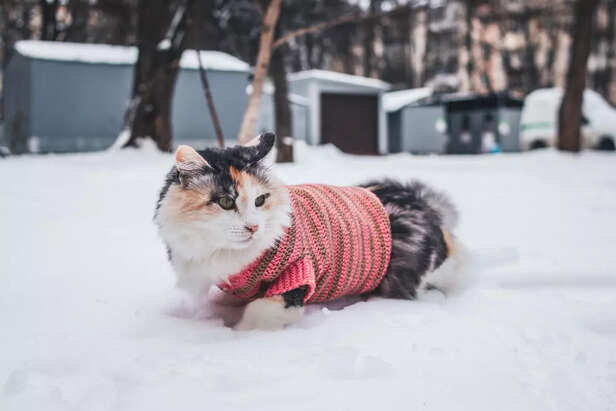
Winter often changes how pets behave, and these shifts are not always signs of laziness. Reduced daylight and colder temperatures naturally lower energy levels. Pets may sleep more, play less, or avoid going outside altogether. Some may seem quieter or less social than usual. This is often their way of conserving energy and avoiding discomfort. Mental stimulation becomes especially important during this time. Indoor play, simple training activities, and maintaining daily routines help prevent boredom and weight gain. When behavior changes feel sudden or extreme, they are worth paying attention to rather than brushing off as seasonal moodiness.
When Warmth Comes From Care, Not Just Heaters

Caring Warmth
Image credit : Freepik
Winter does not have to be a difficult season for pets. With awareness and a little extra care, most cold-weather challenges can be managed at home. Pets rely on us to notice what they cannot explain through words. By staying observant and adjusting routines thoughtfully, you help them feel safe, comfortable, and supported. Sometimes, the warmth pets need most is not from heaters or blankets, but from attentive care and understanding during the coldest months of the year.
Celebrate the bond with your pets, explore Health & Nutrition, discover Breeds, master Training Tips, Behavior Decoder, and set out on exciting Travel Tails with Times Pets!
Frequently Asked Questions (FAQs)
- Do pets really get sick more often in winter?
Yes, colder weather can worsen joint pain, skin issues, and respiratory problems. - Should pets eat more food during winter?
Active pets may need slightly more calories to maintain body warmth. - Why does my pet sleep more in winter?
Reduced daylight and colder temperatures naturally lower energy levels. - Can indoor pets be affected by winter too?
Yes, dry air and temperature changes impact indoor pets as well. - When should I see a vet during winter?
If symptoms like stiffness, coughing, or extreme lethargy persist for several days.