
Why Your Pet Suddenly Hates Their Favourite Food
Keshvi Sood | Dec 21, 2025, 10:00 IST

Food Rejection
Image credit : Freepik
One day your pet is practically doing backflips at mealtime. The next day, they sniff the bowl, look at you with betrayal in their eyes, and walk away. If you have ever stared at an untouched kibble wondering what went wrong, you are not alone. Sudden food rejection is one of the most common concerns pet parents talk about, and it often feels personal. Did the brand change the recipe? Is your pet bored? Or is something else going on behind those expressive eyes? The truth is, pets can turn against their favourite food for a mix of emotional, physical, and environmental reasons, many of which are easy to miss in daily routines.
When Taste Buds Get Bored and Brains Get Smarter
Food Boredom
Image credit : Freepik
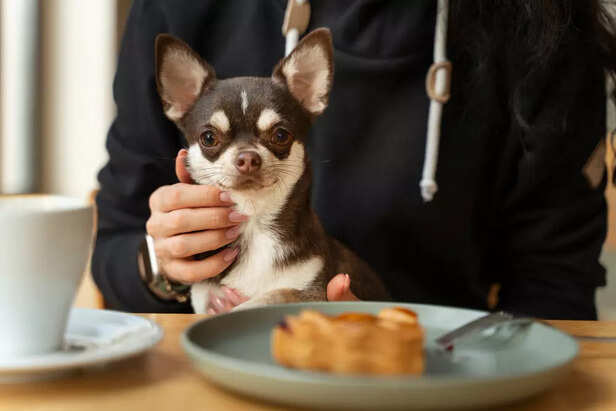
Pets, especially dogs and cats, are far more perceptive than we give them credit for. Eating the same food every single day can eventually lose its excitement. Just like humans, pets can experience food fatigue. That chicken flavour they once loved may now feel predictable and dull. Over time, they may start associating mealtime with boredom rather than pleasure.
Another factor is learned behavior. If your pet has ever refused food and later received treats, table scraps, or a tastier alternative, they quickly learn that waiting pays off. This is especially common in multi pet homes where competition or comparison comes into play. Your pet might not actually hate the food. They might simply be holding out for something better, because past experience taught them it works.
Stress, Routine Changes, and Emotional Triggers You Might Miss
Feeding Stress
Image credit : Freepik
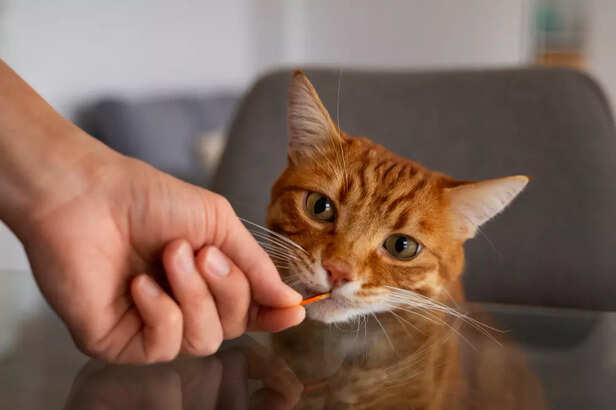
Pets are creatures of habit, and even small changes can impact their appetite. A shift in feeding time, a new bowl, a different feeding spot, or even rearranged furniture can throw them off. Stress plays a bigger role in eating habits than most pet owners realize. Loud noises, travel, new family members, or another animal entering the home can quietly affect how safe your pet feels while eating.
Cats, in particular, are sensitive to emotional changes. A stressed cat may approach the bowl, sniff the food, and walk away without eating much at all. Dogs may act excited but eat less than usual. When food rejection appears suddenly, it is often worth thinking back to recent changes in your home or routine rather than blaming the food itself.
Health Signals Hidden in a Half Full Bowl

Silent Signals
Image credit : Freepik
Sometimes, refusing a favourite food is your pet’s way of saying something is wrong. Dental pain, digestive discomfort, or nausea can all make eating unpleasant. A pet with sore gums or sensitive teeth may avoid hard food even if they love the flavour. Digestive issues can also create negative associations, where your pet links a certain food with feeling unwell afterward.
Age is another important factor. As pets grow older, their sense of smell and taste can weaken, making food less appealing. A sudden change in appetite that lasts more than a day or two, especially when paired with lethargy, weight loss, or vomiting, should never be ignored. In these cases, food rejection is not an attitude. It is communication.
More Than Fussiness, It Is a Conversation
Trust Bond
Image credit : Freepik
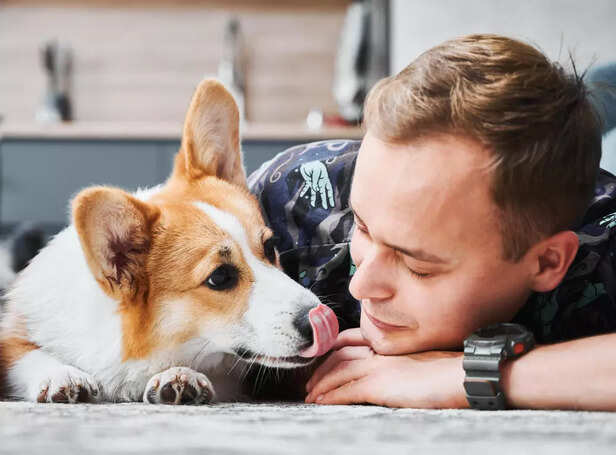
When your pet turns away from their favourite food, it is rarely about drama or stubbornness. It is a message shaped by routine, emotions, and physical comfort. Instead of immediately switching brands or panicking, pause and observe. Look at what has changed in their world and how they behave beyond the bowl. Food habits are one of the clearest windows into a pet’s overall wellbeing. By paying attention and responding with patience rather than frustration, you strengthen trust and understanding. Sometimes, the solution is as simple as variety or reassurance. Other times, it is a reminder that your pet depends on you to listen, even when they cannot speak.
Celebrate the bond with your pets, explore Health & Nutrition, discover Breeds, master Training Tips, Behavior Decoder, and set out on exciting Travel Tails with Times Pets!
Frequently Asked Questions (FAQs)
- Why does my dog suddenly refuse food but eats treats?
Dogs often learn that skipping meals leads to tastier rewards, making it a behavioral choice rather than a health issue. - Is it normal for cats to suddenly stop liking their food?
Yes, cats are sensitive to stress and routine changes, which can quickly affect their appetite. - Should I change my pet’s food immediately if they stop eating?
Not right away, because sudden switches can upset digestion and mask the real cause. - How long is it safe for a pet to skip meals?
Missing one meal is usually fine, but skipping food for more than 24 hours needs attention. - Can health problems cause pets to reject favourite food?
Yes, dental pain, nausea, and digestive discomfort commonly lead to sudden food avoidance.