
Why Your Dog Panics When You Leave Home
Noopur Kumari | Apr 16, 2026, 16:48 IST

Dog Feels
Image credit : Freepik
Many dog owners mistake destructive behavior or constant barking as bad habits. But in reality, it could be separation anxiety a serious emotional condition where dogs experience panic when left alone. This article reveals what your dog truly feels when you leave, why it happens, and how small mistakes can worsen it. More importantly, it shows simple, practical ways to help your dog feel safe and calm. Because sometimes, your pet isn’t being difficult they’re asking for help in the only way they know.
You leave home for a few hours, thinking everything is fine. Your dog watches you go, and the door closes like any other day. But the moment you’re gone, something shifts. The silence feels heavy, unfamiliar. Your dog starts pacing, whining, maybe scratching at the door. Not because they’re being difficult, but because they’re overwhelmed. It’s not misbehavior it’s anxiety. A feeling they don’t understand and can’t control. To them, your absence feels like uncertainty, even fear. And while you’re away living your routine, your dog might be struggling in ways that are easy to miss but deeply real.
![Panic Behind Behavior]()
When your dog chews furniture or barks nonstop, it’s easy to assume they’re being naughty. But the truth is deeper. Separation anxiety is a stress response, not disobedience. Your dog feels unsafe and overwhelmed when alone. This panic leads to behaviors like scratching doors, howling, or accidents. Understanding this changes everything. Instead of punishment, your dog needs comfort and support.
![Early Warning Signs]()
Separation anxiety doesn’t start after you leave it begins before. Your dog may become restless when you pick up your keys or wear shoes. Pacing, whining, or following you around are early signs. Many owners ignore these signals, thinking they’re normal. But these are clear indicators of stress. Recognizing them early can prevent bigger problems later.
![The Root Cause]()
There are many reasons behind this anxiety. Sudden routine changes, moving homes, or past abandonment can trigger it. Some dogs become overly attached and struggle with independence. Others simply were never trained to stay alone. These causes build emotional dependence. Once you understand the “why,” you can start fixing the problem effectively.
One of the biggest mistakes is making departures too emotional. Long goodbyes or excited greetings increase dependency. Your dog starts associating your leaving with stress. Instead of helping, it makes anxiety stronger. Calm, neutral behavior during exits and entries helps your dog feel safe. Small changes in your actions can create a big difference.
Start with small steps. Leave your dog alone for short periods and gradually increase the time. Use toys or puzzles to keep them engaged. Practice desensitizing them to triggers like keys or shoes. Keep your routine consistent. In severe cases, consult a vet for professional help. Patience is key. Your dog won’t change overnight but progress will come.
Celebrate the bond with your pets, explore Health & Nutrition, discover Breeds, master Training Tips, Behavior Decoder, and set out on exciting Travel Tails with Times Pets!
It’s Not Bad Behavior It’s Panic
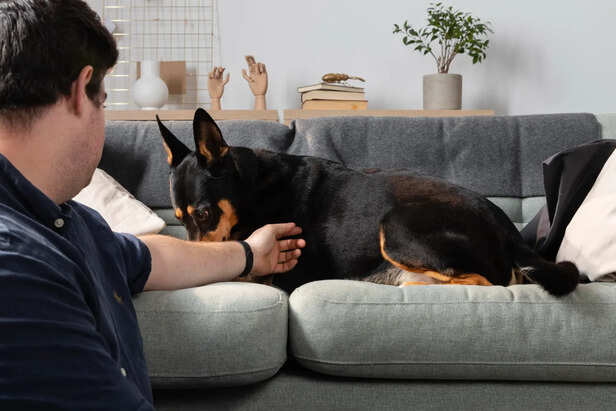
Panic Behind Behavior
Image credit : Freepik
When your dog chews furniture or barks nonstop, it’s easy to assume they’re being naughty. But the truth is deeper. Separation anxiety is a stress response, not disobedience. Your dog feels unsafe and overwhelmed when alone. This panic leads to behaviors like scratching doors, howling, or accidents. Understanding this changes everything. Instead of punishment, your dog needs comfort and support.
The Signs Most Owners Miss
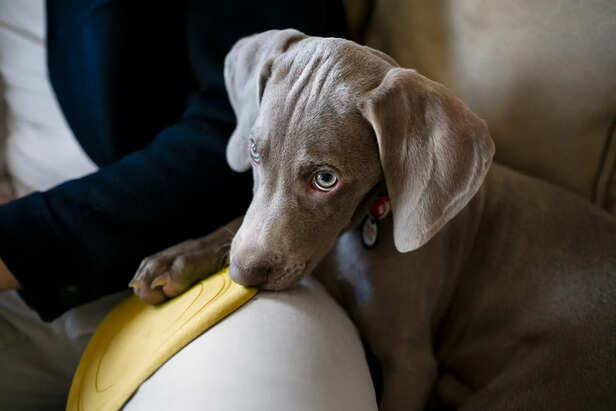
Early Warning Signs
Image credit : Freepik
Separation anxiety doesn’t start after you leave it begins before. Your dog may become restless when you pick up your keys or wear shoes. Pacing, whining, or following you around are early signs. Many owners ignore these signals, thinking they’re normal. But these are clear indicators of stress. Recognizing them early can prevent bigger problems later.
Why Your Dog Feels This Way

The Root Cause
Image credit : Freepik
There are many reasons behind this anxiety. Sudden routine changes, moving homes, or past abandonment can trigger it. Some dogs become overly attached and struggle with independence. Others simply were never trained to stay alone. These causes build emotional dependence. Once you understand the “why,” you can start fixing the problem effectively.
The Mistake That Makes It Worse
Simple Ways to Help Your Dog
Celebrate the bond with your pets, explore Health & Nutrition, discover Breeds, master Training Tips, Behavior Decoder, and set out on exciting Travel Tails with Times Pets!