Cats in Indian homes spend a large part of their day on the floor. They walk across it, sit on it, and groom themselves constantly, which means anything on that floor ends up in their mouth. Phenyl-based and pine-oil floor cleaners are used in millions of homes, and they clean well. They are also, for cats specifically, genuinely dangerous. The risk is not theoretical.
What makes phenyl and pine cleaners dangerous to cats
The active compounds in phenyl cleaners are phenols, organic compounds derived from coal tar or synthesised to mimic it. Pine-oil cleaners carry a related group of compounds called terpenes, particularly alpha-pinene and related monoterpenes. Both groups are toxic to cats for the same underlying reason: cats lack the liver enzyme glucuronosyltransferase at the levels needed to break down phenolic compounds efficiently. Dogs and humans metabolise phenols and terpenes relatively well. Cats cannot. What the liver cannot process accumulates, and at sufficient doses it damages the liver and the central nervous system.
![Pine Resin Still Life]()
Pine Resin Still Life
Image credit : AI
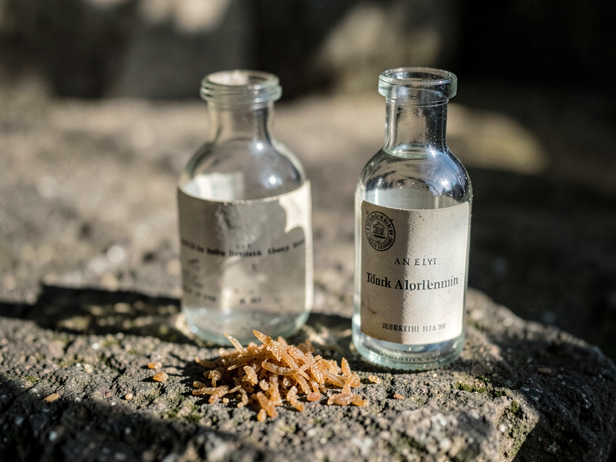
Raw pine resin beside a clear bottle, a study in texture and light. Be aware of pine oil cleaner cats danger.
How cats are actually exposed
Direct ingestion, a cat drinking diluted cleaner from a bucket, is the obvious route, but it is not the main one. The more common exposure is dermal and oral together. A freshly mopped floor leaves a thin residue. The cat walks across it, picks up the compound on its paw pads, and grooms it off. This happens repeatedly across a day. Paw pads are also mildly absorptive, so some uptake happens through skin contact alone. Cats that sleep on freshly cleaned floors, or knead a surface before settling, get a longer contact window. The dose from any single grooming session may be small, but repeated low-level exposure is not harmless, the liver is processing a compound it handles poorly, every time.
Signs that a cat has been exposed
Mild to moderate exposure tends to show as drooling more than usual, pawing at the mouth, wobbling or unsteady movement, and lethargy that is noticeably different from ordinary sleepiness. The breath or coat may carry a chemical smell. Vomiting is common. In more serious cases, higher dose, smaller cat, longer exposure, muscle tremors, difficulty breathing, pale or yellowish gums, and collapse can follow. Liver involvement produces signs that come on more slowly: reduced appetite, weight loss, and jaundice visible in the whites of the eyes or the skin inside the ears. If your cat is drooling heavily, trembling, or has collapsed after being in a freshly cleaned room, that is a vet emergency, not a wait-and-see situation.
![Vinegar and Cloth Still Life]()
Vinegar and Cloth Still Life
Image credit : AI
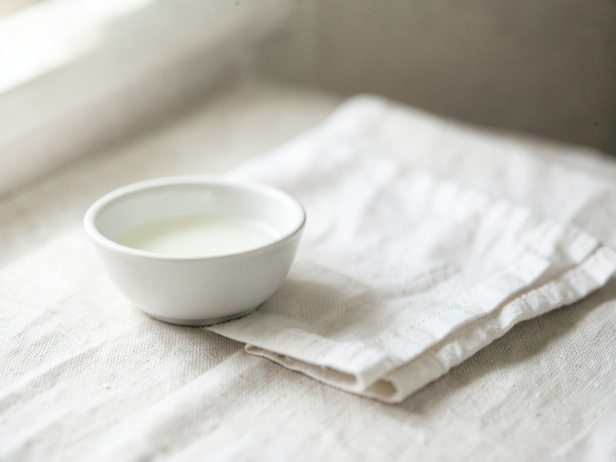
A simple still life featuring white vinegar, a common household item. Be mindful of its toxicity to cats.
What to use instead
Plain diluted white vinegar cleans most hard floors without leaving a phenolic residue. Diluted dish soap, unscented, rinsed off, is another option. Several brands produce enzyme-based cleaners specifically labelled pet-safe; check that the label explicitly states no phenols, no pine oil, and no essential oils derived from tea tree, eucalyptus or citrus, which carry similar risks for cats. Whatever you use, rinse the floor with plain water after mopping and allow it to dry before letting the cat back into the room. A dry surface is a safer surface. If you are uncertain about a product, the ASPCA Animal Poison Control Center maintains a list of compounds toxic to cats that is worth bookmarking.
The floor is your cat's world
Switching floor cleaner is a small change. For a cat that spends its entire life at ground level and grooms every surface it touches off its own body, the floor is not background, it is the environment. Every compound that goes on it goes into the cat, one paw-lick at a time. The liver doing that processing was not built for phenols, and it does not get a break between moppings.