
Why Nature Allows Animals to Have Litters but Not Humans
Kashish Pandey | Jan 03, 2026, 13:28 IST

litters
Image credit : Pixabay
Have you ever watched a dog give birth to six puppies or a cat surrounded by tiny kittens and wondered why humans almost always have just one baby? It feels unfair at first glance. But nature is not random or cruel. It is practical. This article gently explains why animals are designed to have litters while humans are not. From survival risks and brain development to parenting needs and evolution, we explore how nature chooses what works best for each species.
Why nature allows animals to have litters but not humans is a question that comes naturally when we compare ourselves to the animal world. The answer is not about capability but about survival. Nature designs every species differently based on what keeps it alive, growing, and thriving. Humans and animals follow very different life paths, and their way of bringing new life into the world reflects that difference.
![puppy]() Nature is often mistaken as emotional or fair. It is neither.
Nature is often mistaken as emotional or fair. It is neither.
Nature only asks one question
What helps this species survive?
For animals living in the wild, danger is everywhere. For humans, survival comes from thinking, planning, and caring. Because of this, nature uses different reproductive strategies for animals and humans.
![bunny]() In the wild, life is uncertain.
In the wild, life is uncertain.
A baby animal can be taken by a predator within hours of being born. Some may not survive cold nights, hunger, or illness. Nature knows this risk.
So instead of putting all hope into one baby, animals have many.
If a rabbit gives birth to eight babies and only two survive, the species still continues. It may sound harsh, but this is nature being practical, not cruel.
Humans do not live under the same constant threat. With shelter, communities, and medicine, human babies have a much higher chance of survival. Nature does not need humans to produce many babies at once.
![pregnancy]() Human pregnancy is not easy.
Human pregnancy is not easy.
A human baby takes nine months to develop and demands huge amounts of energy from the mother. The body changes, organs shift, and hormones work constantly to support one growing life.
Now imagine supporting three or four babies at the same time.
Multiple pregnancies in humans increase risks for both mother and child. Nature limits this naturally because survival matters more than numbers.
Animals usually carry smaller babies with simpler needs, making it easier for their bodies to handle multiple pregnancies.
One of the biggest reasons humans do not have litters is the brain.
Human babies are born helpless, but their brains are extraordinary. They grow rapidly and continue developing for many years. This growth requires time, nutrition, care, and learning.
Animals with litters rely more on instinct. Many can walk, see, or hunt shortly after birth.
Nature made a trade
Bigger brains, fewer babies
This trade allowed humans to build language, culture, tools, and societies.
![natures]() Nature does not shout its reasons.
Nature does not shout its reasons.
It quietly balances risk, energy, intelligence, and care.
Animals survive through numbers
Humans survive through connection
Both are beautiful in their own way.
At first glance, animal litters may seem like an advantage humans do not have. But when we look closer, we see that humans were given something far more powerful. Time, thought, love, and learning.
Nature did not limit humans.
It refined them.
And that is why one baby is more than enough.
Discover expert advice and the latest tips on pet care, training, health, and more. Stay updated with all things pets at Times Pets!
Frequently Asked Questions[FAQs]
Nature Does Not Play Favorites

puppy
Image credit : Pixabay
Nature only asks one question
What helps this species survive?
For animals living in the wild, danger is everywhere. For humans, survival comes from thinking, planning, and caring. Because of this, nature uses different reproductive strategies for animals and humans.
Life Is Fragile in the Animal World
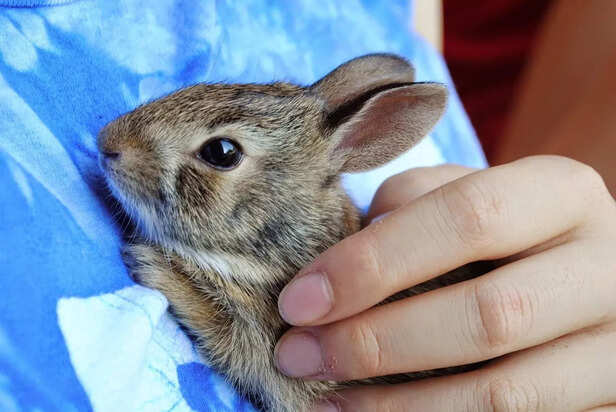
bunny
Image credit : Pixabay
A baby animal can be taken by a predator within hours of being born. Some may not survive cold nights, hunger, or illness. Nature knows this risk.
So instead of putting all hope into one baby, animals have many.
If a rabbit gives birth to eight babies and only two survive, the species still continues. It may sound harsh, but this is nature being practical, not cruel.
Humans do not live under the same constant threat. With shelter, communities, and medicine, human babies have a much higher chance of survival. Nature does not need humans to produce many babies at once.
Human Pregnancy Is Deeply Demanding

pregnancy
Image credit : Pixabay
A human baby takes nine months to develop and demands huge amounts of energy from the mother. The body changes, organs shift, and hormones work constantly to support one growing life.
Now imagine supporting three or four babies at the same time.
Multiple pregnancies in humans increase risks for both mother and child. Nature limits this naturally because survival matters more than numbers.
Animals usually carry smaller babies with simpler needs, making it easier for their bodies to handle multiple pregnancies.
The Power and Cost of the Human Brain
Human babies are born helpless, but their brains are extraordinary. They grow rapidly and continue developing for many years. This growth requires time, nutrition, care, and learning.
Animals with litters rely more on instinct. Many can walk, see, or hunt shortly after birth.
Nature made a trade
Bigger brains, fewer babies
This trade allowed humans to build language, culture, tools, and societies.
Nature’s Logic Is Quiet and Balanced

natures
Image credit : Pixabay
It quietly balances risk, energy, intelligence, and care.
Animals survive through numbers
Humans survive through connection
Both are beautiful in their own way.
At first glance, animal litters may seem like an advantage humans do not have. But when we look closer, we see that humans were given something far more powerful. Time, thought, love, and learning.
Nature did not limit humans.
It refined them.
And that is why one baby is more than enough.
Discover expert advice and the latest tips on pet care, training, health, and more. Stay updated with all things pets at Times Pets!
Frequently Asked Questions[FAQs]
- Why do animals give birth to multiple babies at once?
Animals give birth to multiple babies because survival in the wild is uncertain. Many animal babies face threats like predators, disease, and harsh weather. Having more babies increases the chance that at least a few will survive and grow into adults. - Why do humans usually have only one baby?
Humans usually have one baby because pregnancy is physically demanding and human babies need long term care. Nature designed humans to focus on raising one child with attention, protection, and learning rather than producing many babies at once. - Is it possible for humans to have litters naturally?
Humans can have twins or triplets, but it is rare. Multiple births often come with health risks for both the mother and babies. This shows that humans are not naturally designed for litters. - Why do animals with litters mature faster than humans?
Animals with litters rely more on instinct than learning. Their bodies and brains develop quickly so they can survive on their own sooner. Humans develop slowly because learning, thinking, and social skills are central to human survival.