Living with a cat often means finding fur almost everywhere, from clothes and sofas to bedsheets and even the dining table. Shedding is a natural process that helps cats get rid of old or loose hair. While some cats shed more during certain seasons, indoor cats may lose fur throughout the year. However, not all hair loss should be dismissed as normal. If your cat suddenly starts shedding much more than usual, develops bald patches or thinning areas, licks itself excessively, or shows signs of skin irritation, it could indicate an underlying issue that needs attention.
First, know what normal shedding looks like
Shedding is simply the body’s way of getting rid of old or damaged hair and making room for new growth. The amount can vary depending on your cat’s coat, lifestyle and individual grooming habits.
Long-haired cats may naturally leave more visible fur around the house, while indoor cats can continue shedding throughout the year. Regular brushing can help remove loose hair before it ends up on your furniture, and may also reduce the formation of hairballs. The important thing is to look for a change from your cat’s usual pattern.
Fleas could be the culprit
One of the first things to check is fleas. Even a small number of flea bites can cause intense itching in cats that are allergic to flea saliva. This can lead to repeated scratching, licking and hair loss, particularly around the back, neck, abdomen and base of the tail.
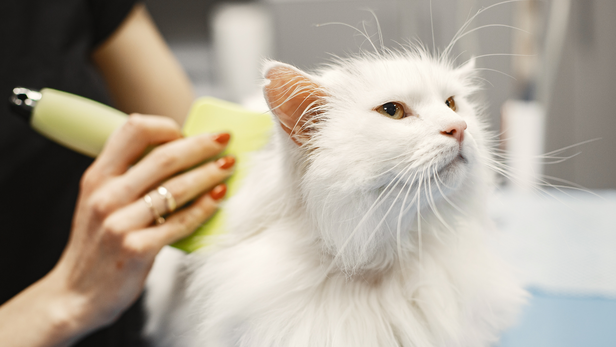
![Brushing cat's hair]()
Brushing cat's hair
Look closely through your cat’s coat for fleas or tiny dark specks. But don’t assume that not seeing fleas means they aren’t there, a veterinarian can help determine whether parasites are behind the problem.
Allergies can trigger excessive grooming
Cats can develop allergies to a range of things, including flea bites, environmental allergens and, less commonly, food. An allergic cat may scratch, lick or bite its skin repeatedly, eventually causing thinning fur or bald patches. Food allergies can also cause persistent itching and deterioration of the coat.
If you suspect food is responsible, don’t randomly keep changing your cat’s diet. Identifying a food allergy can require a structured elimination diet under veterinary guidance.
Stress can make cats groom more
Cats are creatures of habit, so changes that seem minor to us, moving house, introducing another pet, changing their routine or losing a companion, can sometimes cause stress.
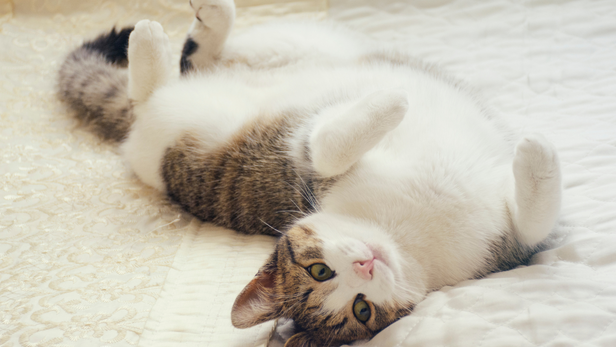
![Laying cat in bed]()
Laying cat in bed
Some stressed cats respond by grooming themselves excessively. Repetitive licking can become a coping behaviour, eventually leading to noticeable hair loss or even skin damage. Giving your cat predictable routines, safe places to retreat and regular play can help. But medical causes should be ruled out before assuming that stress is responsible.
Diet and underlying health problems matter too
A poor or nutritionally inadequate diet can affect the quality of a cat’s coat and contribute to excessive shedding. Certain illnesses, hormonal or metabolic problems and parasite infestations can also affect the skin and coat. This is why simply switching shampoos or buying a supplement may not solve the problem. The right treatment depends on what is actually causing the hair loss.
So, what should you do?
Start with regular grooming. Brushing helps remove loose hair and gives you an opportunity to inspect your cat’s skin for fleas, redness, scabs, lumps, dandruff or bald spots. Feed a nutritionally complete diet and keep your cat’s living environment clean.
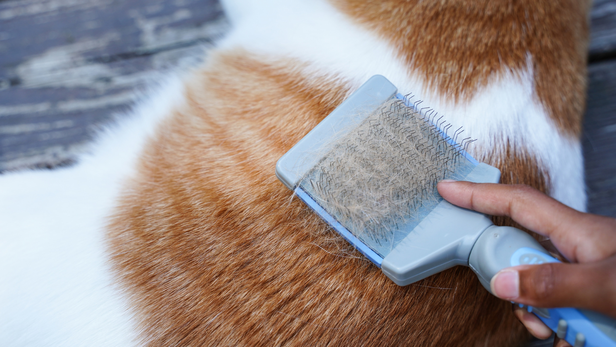
![Brush hair when excessive fur is there]()
Brush hair when excessive fur is there
Most importantly, pay attention to sudden changes. If your cat develops bald patches, significant hair loss, persistent itching, excessive licking or biting, redness, scaling, sores or a noticeably deteriorating coat, it’s time to see a veterinarian. These signs can point to allergies, parasites, infections, stress or another underlying condition that needs proper diagnosis. A little fur on the sofa is usually nothing to worry about. A cat that is losing its coat because something is wrong, however, is telling you to look a little closer.