The grit question comes up in almost every budgie owner's first month. It sits on the pet shop shelf next to the seed mix, the packaging implies it aids digestion, and it is cheap. For pigeons and doves it is genuinely necessary. For budgies, cockatiels, lovebirds and most other psittacines kept as pets in Indian homes, it is unnecessary and can cause harm if a bird eats it compulsively.
What grit is supposed to do
Birds do not have teeth. They break down food in a muscular organ called the gizzard, which contracts rhythmically and grinds food against itself. Some birds swallow small stones or coarse mineral particles to help this grinding, these particles stay in the gizzard and act as a millstone. This is what grit does, and for birds that swallow seeds whole, it is a legitimate digestive tool.
Pigeons and doves are the clearest example. They ingest seeds intact, and grit in the gizzard helps break those seeds down before they reach the intestine. These birds are also thought to use grit as a mineral source, particularly calcium from oyster shell grit.
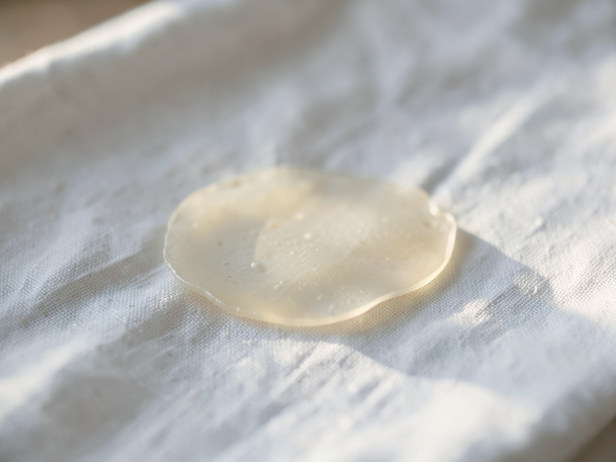
![Cuttlebone on Linen]()
Cuttlebone on Linen
Image credit : AI
A smooth cuttlebone, essential for budgie digestive health, rests on linen. Natural texture revealed.
Why budgies are different
Budgies, like all parrots, hull their seeds before swallowing them. Watch a budgie work through a millet spray and you will see it crack the husk, discard it, and swallow the soft kernel inside. By the time food reaches the gizzard, the hard outer layer is already gone. There is no hull to grind. The gizzard's muscular walls manage the rest without any help from insoluble particles.
This is not a minor distinction. It is the entire reason avian vets stopped recommending routine grit for parrots decades ago. The mechanism that makes grit useful in a pigeon simply does not apply to a psittacine.
The risk of too much grit
A healthy budgie given free access to insoluble grit will usually ignore it. The problem arises when a bird is unwell, nutritionally deficient, bored, or experiencing a gastrointestinal disturbance, and begins eating grit compulsively. Because the grit does not pass through a budgie's digestive tract the way it does in species that need it, it can accumulate in the gizzard and cause an impaction: a physical blockage that prevents normal food movement.
Impaction in a small bird is serious. Signs include a bird that stops eating, sits fluffed at the bottom of the cage, passes little or no droppings, or has a visibly distended abdomen. Any of these in a budgie warrants a vet visit the same day, not a wait-and-see approach.
Soluble grit, crushed oyster shell or cuttlebone, is a different matter. It dissolves in the digestive tract, provides calcium, and does not accumulate. Cuttlebone clipped to the cage bars is a reasonable and widely recommended addition for budgies, particularly for hens who are laying or at risk of laying.
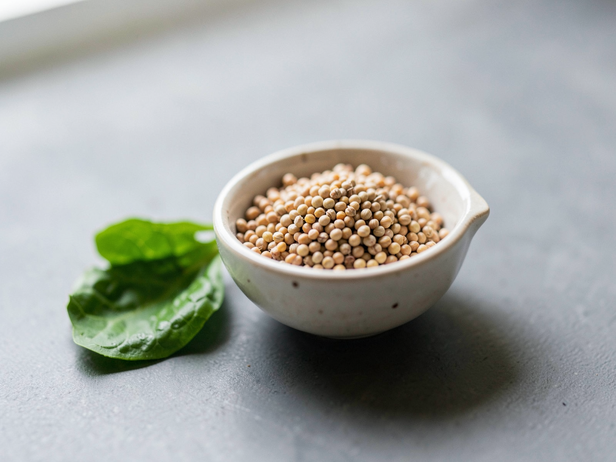
![Millet and Spinach for Birds]()
Millet and Spinach for Birds
Image credit : AI
I'm offering a healthy meal of millet and spinach, essential for budgie digestive health.
What to do if grit is already in the cage
If you have been offering insoluble grit and your budgie has been eating moderate amounts, remove it and monitor the bird for normal droppings and normal eating behaviour. A bird that has eaten a small amount and is otherwise active, eating well and producing normal droppings is unlikely to be in immediate trouble, but the grit should still come out of the cage.
Do not attempt to treat a suspected impaction at home. No home remedy clears a gizzard blockage in a bird. If your budgie shows any of the signs above, fluffed, inactive, not eating, few or no droppings, reach a vet who sees birds as soon as possible.
What budgies actually need for digestive health
A budgie's digestive system is well suited to a varied diet of hulled seeds, fresh leafy greens, small amounts of cooked plain grain, and access to cuttlebone for calcium. Some owners in Indian homes offer small pieces of plain cooked rice or soft vegetables like carrot and spinach alongside the seed mix, these are reasonable additions in small amounts, plain and unseasoned, with no onion, garlic or salt anywhere near the bird's food.
The gizzard does its job without grit, provided the bird is eating a reasonably varied diet and is not under nutritional stress. Grit is not the gap in a budgie's diet. If a bird is unwell, listless or losing weight, that gap is identified by a vet, not filled from a pet shop shelf.