Most rabbit owners learn about GI stasis the hard way: they notice the food bowl is full at night, assume the rabbit is having an off day, and wake up to a critically ill animal. The gut of a rabbit never stops moving under normal conditions. When it does, the consequences escalate within hours, not days.
Why a rabbit's gut cannot afford to pause
Rabbits are hindgut fermenters. After food passes through the stomach and small intestine, it reaches the caecum, a large fermentation chamber that breaks down fibrous plant matter with the help of billions of bacteria. This system works only when it keeps moving. Gut motility is driven partly by fibre, partly by the physical act of eating, and partly by the rabbit's natural need to move around.
When motility slows, the caecal bacteria begin to produce gas faster than the gut can expel it. The rabbit's abdomen distends, which is painful. Pain causes the rabbit to stop moving. Stillness slows the gut further. The caecal contents dehydrate and compact. What began as a slowdown becomes a blockage, and the bacterial balance tips toward species that produce toxins. A rabbit in full stasis can go from uncomfortable to dying within twenty-four to forty-eight hours.
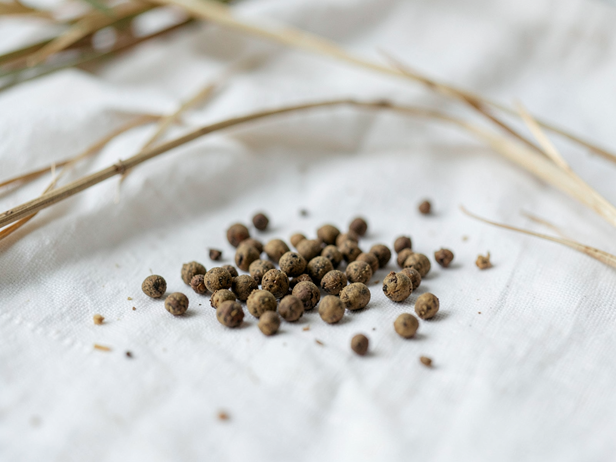
![Rabbit Droppings and Hay]()
Rabbit Droppings and Hay
Image credit : AI
Examining rabbit gut motility signs through droppings and hay. A crucial visual for understanding rabbit health.
What causes GI stasis
The most common trigger is a diet too low in long-stem hay. Pellets and fresh vegetables are not substitutes for hay; they do not provide the coarse fibre that physically stimulates gut movement. A rabbit that eats mostly pellets is running its digestive system at a fraction of the speed it needs.
Other common causes include pain from another source, dental spurs, urinary problems, an injury, that makes the rabbit reluctant to eat or move. Stress is a real trigger: a new animal in the home, a sudden change in environment, even a disrupted routine can slow gut motility in a prey animal whose nervous system is wired for threat. Hairballs are sometimes blamed, but hair in the gut is almost always a secondary finding; the primary problem is slow motility that failed to move the hair through normally.
Signs that something is wrong
The clearest early sign is a rabbit that has stopped eating hay. Rabbits graze almost continuously; a rabbit sitting still with food in front of it is telling you something. Check the litter tray: fewer droppings, smaller droppings, or droppings strung together with hair are early warnings. A rabbit in pain often sits hunched, pressed into a corner, with its eyes half-closed and its teeth grinding quietly, a sound called bruxism.
As stasis progresses, the abdomen may feel tight or make gurgling sounds, or go completely silent. A healthy rabbit gut makes a low, steady rumble you can hear with an ear to the flank. Silence there is not calm, it is the gut having stopped. At this stage the rabbit is in a medical emergency.
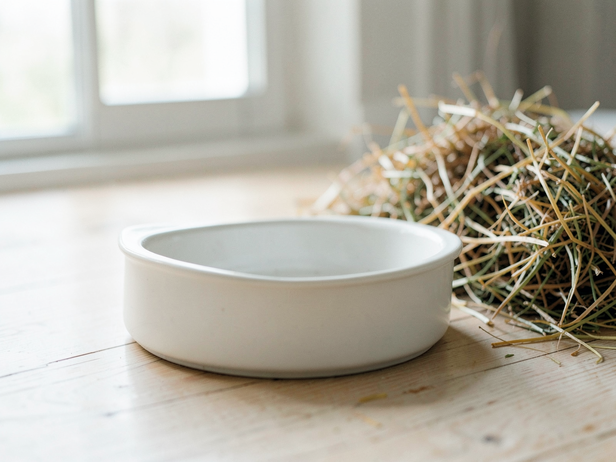
![Empty Bowl, Untouched Hay]()
Empty Bowl, Untouched Hay
Image credit : AI
This image represents a rabbit not eating, a critical sign of potential GI stasis. Early detection is key.
When to go to a vet, and how fast
If a rabbit has not eaten for four to six hours, or if droppings have stopped, contact a vet who sees rabbits that day. Do not wait overnight. Do not offer a different food to tempt the rabbit, assume it will pass on its own, or look for a home remedy. GI stasis requires a vet to assess gut sounds, rule out a true blockage that needs different treatment, provide pain relief, and decide on fluid support and motility drugs. Pain management is not optional, a rabbit in pain will not eat, and a rabbit that will not eat cannot recover.
In India, exotic-animal vets who see rabbits are found in most metro cities; outside metros, a vet experienced with small animals is the starting point. Call ahead and say the rabbit has not eaten, most clinics will prioritise it.
What you can do while getting to the vet
Keep the rabbit warm and as calm as possible. Gentle movement, placing it on your lap and letting it shift position, can provide mild stimulation, but do not force it to move if it is clearly in pain. Offer fresh hay and water, but do not be alarmed if the rabbit ignores them. Do not give any human pain medication; common drugs including ibuprofen and paracetamol are dangerous to rabbits. Do not attempt to massage the abdomen forcefully. The job at this point is to get to a vet, not to treat at home.
The longer-term prevention is straightforward: unlimited grass hay, timothy, orchard grass, or oat hay, should make up the majority of a rabbit's diet. Pellets in small amounts, fresh leafy greens, and constant access to clean water complete it. A rabbit that moves freely, eats hay steadily, and produces a consistent trail of round droppings throughout the day has a gut that is doing its job. That picture, once you know what it looks like, is the baseline you are watching for every day.