Cats and fish feel like a natural pair, and in most Indian homes the logic is simple: the cat likes it, fish is protein, protein is good. Feed fish every day and the cat is fed well. The reasoning is not wrong in every part, but it skips over what happens when one food becomes the whole diet. An all-fish diet can cause three distinct problems in cats, and each one works through a different mechanism.
The thiamine problem: what fish does to vitamin B1
Many raw fish species contain an enzyme called thiaminase. This enzyme breaks down thiamine, which is vitamin B1, before the cat's body can absorb it. Thiamine is essential for normal nerve and brain function. A cat eating raw fish as the bulk of its diet can develop thiamine deficiency even when it is eating enough calories. Early signs include poor appetite and a slightly unsteady walk. As the deficiency deepens, it can cause head tilting, seizures, and in severe cases, death. Cooking destroys thiaminase, so cooked fish does not carry the same risk. But many cats are fed raw or lightly cooked fish, and owners rarely connect a neurological symptom to what is in the food bowl.
![Golden Oil and Dried Anchovy]()
Golden Oil and Dried Anchovy
Image credit : AI
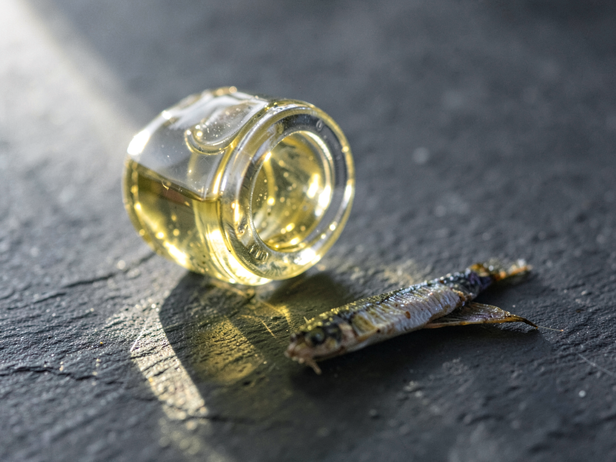
I captured this still life of fish oil and a dried anchovy, highlighting textures. This reminds me of the importance of a balanced cat diet for their nutrition in India.
Mercury and heavy metals: a slow accumulation
Fish that sit higher in the food chain, including tuna, mackerel, and swordfish, carry higher concentrations of mercury and other heavy metals because those substances accumulate up the chain. A cat eating these fish occasionally faces no meaningful risk. A cat eating them every day, meal after meal, accumulates mercury in its tissues over months. Chronic mercury exposure in cats affects the nervous system and the kidneys. This is not a theoretical concern imported from human nutrition; cats are smaller than people, eat proportionally large amounts of fish relative to their body weight, and their kidneys are already among the most stressed organs in the species. Smaller, lower-chain fish such as sardines and anchovies carry far less mercury and are a safer choice when fish is part of the diet.
Steatitis: when too much fish fat turns dangerous
Fish is high in polyunsaturated fatty acids, particularly omega-3s. These fats oxidise when exposed to air and heat. A diet dominated by fish, especially canned fish in oil or fish that has been stored improperly, can deliver oxidised fats to the cat in large amounts. Oxidised fats deplete vitamin E in the body. When vitamin E runs low, the fat tissue itself becomes inflamed. This condition is called steatitis, and it is painful. A cat with steatitis is reluctant to move, may cry when touched along the flanks or abdomen, and stops eating. It is treated with vitamin E supplementation and a diet change, but it needs a vet to diagnose it, because the signs overlap with several other conditions. Steatitis was common in cats fed canned tuna decades ago, before cat food manufacturers understood the link. It remains a risk when owners replicate that diet at home.
![Cat's Mealtime Still Life]()
Cat's Mealtime Still Life
Image credit : AI
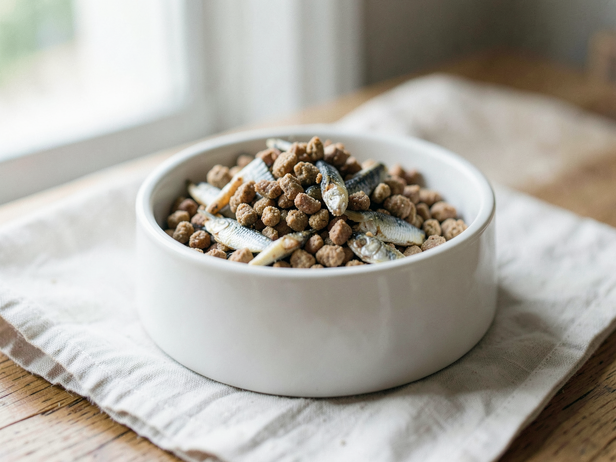
My cat's balanced meal, featuring fish and kibble, addresses potential cat diet problems in India.
What a balanced cat diet actually needs
Cats are obligate carnivores. They need animal protein and cannot synthesise several nutrients that other animals make for themselves, including taurine, arachidonic acid, and preformed vitamin A. Fish provides some of these, but not all of them in the right amounts, and not reliably across different fish species. A complete diet for a cat includes varied protein sources, adequate taurine, the right fat profile, and no single ingredient dominating every meal. Commercial cat foods formulated to AAFCO or FEDIAF standards are designed around this. If a cat is eating home-cooked food, a veterinary nutritionist can help build a plan that is genuinely complete rather than protein-rich but nutrient-narrow. Fish as one component of a varied diet is fine. Fish as the entire diet is where the problems begin.
When to call the vet
A cat that has been eating primarily fish and begins to show any of the following needs a vet appointment, not a wait-and-see: an unsteady gait or head tilt, reluctance to be touched along the sides or belly, seizures of any kind, or a sudden drop in appetite that lasts more than a day. These signs can have several causes, but in a cat eating an all-fish diet, thiamine deficiency and steatitis are both on the list, and both worsen quickly without treatment.