
Why Dogs Need a Different Diet in Hot Weather
Payal Tandon | May 04, 2026, 11:48 IST

Feeding Right (Image Credit:Pexels)
Hot weather changes how a dog’s body works, especially when it comes to digestion, hydration, and energy levels. Many dogs eat less in summer and need lighter, more hydrating meals to stay healthy. This article explains why diet adjustments are important during warm months and how simple changes can improve your dog’s comfort, health, and overall well-being.
As temperatures rise, you may notice small changes in your dog’s behavior. They may sleep more, drink more water, or show less interest in food. These changes are natural. Just like humans, dogs react differently to heat, and their bodies try to adjust to stay cool.
One of the biggest mistakes pet owners make is continuing the same diet throughout the year. While consistency is important, seasonal changes also matter. In summer, your dog’s body needs more hydration and lighter meals that are easy to digest.
A proper diet during hot weather does not just keep your dog full. It helps regulate body temperature, supports digestion, and prevents common health issues like dehydration and fatigue. Understanding these needs can help you take better care of your dog during the warmer months.
During summer, many dogs naturally eat less. This is because their body is trying to reduce internal heat production. Digesting heavy food creates more body heat, which can make your dog feel uncomfortable.
You may notice that your dog leaves food in the bowl or eats slowly. This does not always mean they are unwell. It often means their body is adjusting to the weather.
Instead of forcing your dog to eat large meals, it is better to offer smaller portions more frequently. Light meals are easier to digest and help your dog stay active without feeling heavy.
Foods that are simple and fresh are more suitable during this time. Heavy, oily, or overly rich meals can lead to digestive problems and discomfort.
Water plays a central role in your dog’s summer diet. Dogs lose more fluids through panting, which is their main way of cooling down. If they do not get enough water, they can become dehydrated very quickly.
Dehydration can lead to serious issues like weakness, dry nose, or even heatstroke. That is why keeping your dog hydrated is more important than increasing food quantity.
Always make sure your dog has access to clean and fresh water throughout the day. You can also support hydration by adding water-rich foods to their diet. Small portions of fruits like watermelon or vegetables like cucumber can be helpful, as long as they are safe for dogs.
Another simple method is to mix a little water or broth with dry food. This makes meals more appealing and increases fluid intake at the same time.
Not all foods suit every season. In summer, your dog benefits from meals that are light, cooling, and easy to digest.
Foods like boiled chicken, plain rice, and yogurt are often good options. They provide nutrition without putting too much strain on the digestive system. Fresh vegetables in small quantities can also add vitamins and hydration.
It is important to avoid foods that generate excess heat in the body. High-fat meals, spicy leftovers, and processed snacks should be limited. These foods can cause stomach upset and make your dog feel uncomfortable.
Keeping meals simple does not mean reducing nutrition. It means choosing foods that your dog’s body can handle better in warm conditions.
![Right Portion (Image Credit:Freepik)]()
When your dog eats can be just as important as what they eat. Feeding during the hottest part of the day may reduce appetite and cause discomfort.
Early morning and late evening are the best times for feeding during summer. The temperature is lower, and your dog is more relaxed and willing to eat.
You may also notice that your dog prefers eating after resting rather than after physical activity. Giving them time to cool down before meals can improve digestion and prevent issues like bloating.
A consistent feeding routine helps your dog feel secure and supports better eating habits even in changing weather.
Summer is not just about adding the right foods. It is also about avoiding habits that can harm your dog.
Leftover human food, especially oily or spicy dishes, should be avoided. These foods are harder to digest and can increase body heat.
Overfeeding is another common mistake. When dogs eat more than they need, digestion becomes slower and creates extra heat inside the body.
Sudden changes in diet should also be avoided. If you are introducing new foods, do it gradually so your dog’s system can adjust.
Being mindful of these small details can prevent many common summer health problems.
A good summer diet is not complicated. It is about balance, hydration, and consistency.
Start by observing your dog’s behaviour. Notice how much they eat, how often they drink water, and how active they feel. This will help you understand their needs better.
Keep meals light, fresh, and nutritious. Provide water at all times and include hydrating foods in moderation. Maintain a regular feeding schedule and adjust portion sizes based on your dog’s appetite.
If your dog has specific health conditions or dietary needs, consulting a veterinarian can help you create a more personalized plan.
With the right approach, you can ensure that your dog stays healthy and comfortable even during the hottest days.
Many pet owners underestimate the impact of seasonal diet changes. A proper summer diet does more than just satisfy hunger. It supports your dog’s overall health, energy levels, and mood.
Dogs that receive the right nutrition in summer are less likely to suffer from dehydration, digestive issues, or fatigue. They stay more active, playful, and comfortable throughout the day.
On the other hand, ignoring these changes can lead to avoidable problems that affect your dog’s quality of life.
When you adjust your dog’s diet according to the weather, you are not just feeding them. You are caring for their well-being in a thoughtful and responsible way.
Hot weather brings many changes, and your dog’s diet should adapt accordingly. From reduced appetite to increased need for hydration, every small detail matters.
By offering lighter meals, ensuring proper water intake, and choosing the right feeding times, you can help your dog stay healthy and comfortable during summer.
These changes do not require extra effort, just a better understanding of your dog’s needs. When you pay attention to these needs, your dog feels the difference.
A well-balanced summer diet is one of the simplest ways to keep your dog happy, active, and safe in warm weather.
Celebrate the bond with your pets, explore Health & Nutrition, discover Breeds, master Training Tips, Behavior Decoder, and set out on exciting Travel Tails with Times Pets!
One of the biggest mistakes pet owners make is continuing the same diet throughout the year. While consistency is important, seasonal changes also matter. In summer, your dog’s body needs more hydration and lighter meals that are easy to digest.
A proper diet during hot weather does not just keep your dog full. It helps regulate body temperature, supports digestion, and prevents common health issues like dehydration and fatigue. Understanding these needs can help you take better care of your dog during the warmer months.
How Heat Affects Your Dog’s Appetite and Digestion
You may notice that your dog leaves food in the bowl or eats slowly. This does not always mean they are unwell. It often means their body is adjusting to the weather.
Instead of forcing your dog to eat large meals, it is better to offer smaller portions more frequently. Light meals are easier to digest and help your dog stay active without feeling heavy.
Foods that are simple and fresh are more suitable during this time. Heavy, oily, or overly rich meals can lead to digestive problems and discomfort.
Why Hydration Becomes the Most Important Factor
Dehydration can lead to serious issues like weakness, dry nose, or even heatstroke. That is why keeping your dog hydrated is more important than increasing food quantity.
Always make sure your dog has access to clean and fresh water throughout the day. You can also support hydration by adding water-rich foods to their diet. Small portions of fruits like watermelon or vegetables like cucumber can be helpful, as long as they are safe for dogs.
Another simple method is to mix a little water or broth with dry food. This makes meals more appealing and increases fluid intake at the same time.
Choosing the Right Foods for Summer
Foods like boiled chicken, plain rice, and yogurt are often good options. They provide nutrition without putting too much strain on the digestive system. Fresh vegetables in small quantities can also add vitamins and hydration.
It is important to avoid foods that generate excess heat in the body. High-fat meals, spicy leftovers, and processed snacks should be limited. These foods can cause stomach upset and make your dog feel uncomfortable.
Keeping meals simple does not mean reducing nutrition. It means choosing foods that your dog’s body can handle better in warm conditions.
Adjusting Meal Timing for Better Comfort
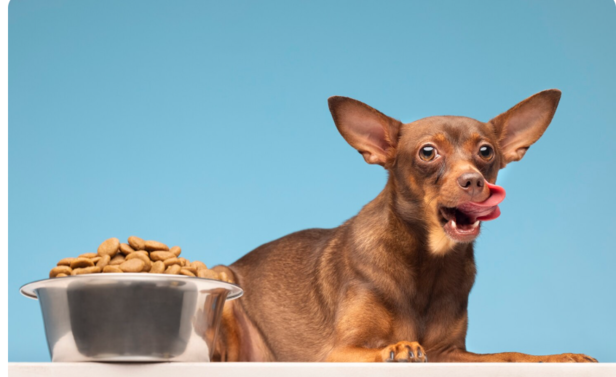
Right Portion (Image Credit:Freepik)
When your dog eats can be just as important as what they eat. Feeding during the hottest part of the day may reduce appetite and cause discomfort.
Early morning and late evening are the best times for feeding during summer. The temperature is lower, and your dog is more relaxed and willing to eat.
You may also notice that your dog prefers eating after resting rather than after physical activity. Giving them time to cool down before meals can improve digestion and prevent issues like bloating.
A consistent feeding routine helps your dog feel secure and supports better eating habits even in changing weather.
Foods and Habits to Avoid in Hot Weather
Leftover human food, especially oily or spicy dishes, should be avoided. These foods are harder to digest and can increase body heat.
Overfeeding is another common mistake. When dogs eat more than they need, digestion becomes slower and creates extra heat inside the body.
Sudden changes in diet should also be avoided. If you are introducing new foods, do it gradually so your dog’s system can adjust.
Being mindful of these small details can prevent many common summer health problems.
Creating a Balanced Summer Diet Routine
Start by observing your dog’s behaviour. Notice how much they eat, how often they drink water, and how active they feel. This will help you understand their needs better.
Keep meals light, fresh, and nutritious. Provide water at all times and include hydrating foods in moderation. Maintain a regular feeding schedule and adjust portion sizes based on your dog’s appetite.
If your dog has specific health conditions or dietary needs, consulting a veterinarian can help you create a more personalized plan.
With the right approach, you can ensure that your dog stays healthy and comfortable even during the hottest days.
Why Diet Changes Make a Big Difference
Dogs that receive the right nutrition in summer are less likely to suffer from dehydration, digestive issues, or fatigue. They stay more active, playful, and comfortable throughout the day.
On the other hand, ignoring these changes can lead to avoidable problems that affect your dog’s quality of life.
When you adjust your dog’s diet according to the weather, you are not just feeding them. You are caring for their well-being in a thoughtful and responsible way.
Hot weather brings many changes, and your dog’s diet should adapt accordingly. From reduced appetite to increased need for hydration, every small detail matters.
By offering lighter meals, ensuring proper water intake, and choosing the right feeding times, you can help your dog stay healthy and comfortable during summer.
These changes do not require extra effort, just a better understanding of your dog’s needs. When you pay attention to these needs, your dog feels the difference.
A well-balanced summer diet is one of the simplest ways to keep your dog happy, active, and safe in warm weather.
Celebrate the bond with your pets, explore Health & Nutrition, discover Breeds, master Training Tips, Behavior Decoder, and set out on exciting Travel Tails with Times Pets!