A dog that drinks like it has been crossing the Thar Desert for three days and then vomits a clear puddle on your kitchen floor is not, in most cases, seriously ill. What you are watching is regurgitation, not vomiting, and the difference matters more than it sounds.
Regurgitation versus vomiting: why the distinction matters
![Dog Drinks Water]()
Dog Drinks Water
Image credit : AI
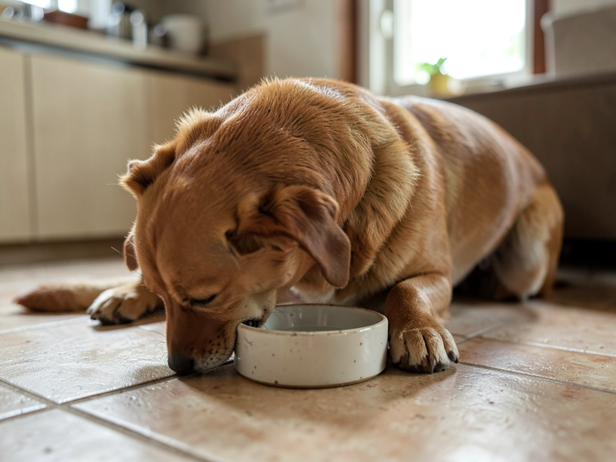
A dog drinks water, body relaxed. Tips for fast drinkers can help prevent issues.
Vomiting involves heaving, abdominal contractions, and bile. It takes effort and it looks like effort. Regurgitation is quieter: the water or food slides back up almost passively, often within minutes of being swallowed, and what comes out is undigested and clear or foamy. A dog that regurgitates water typically walks away and tries to drink again immediately, which tells you the stomach was not involved at all. The material never made it past the oesophagus. This distinction shapes what you do next. Regurgitation after fast drinking is a mechanical problem. Repeated vomiting with bile, lethargy, or a distended belly is a different conversation entirely.
Why some dogs drink so fast in the first place
Competition is the most common driver. Dogs that grew up in a litter, spent time in a shelter, or live with other pets carry the habit of eating and drinking at speed because resources once felt finite. That urgency does not switch off when the dog moves into a flat with its own bowl and no competition in sight. Heat and exercise push dogs to drink in large, rapid gulps as well. A dog that has been running in a park on a warm afternoon will hit the water bowl hard, and the stomach simply cannot absorb that volume fast enough. Some breeds are anatomically predisposed, deep-chested dogs like Dobermanns, Great Danes, and Boxers have a geometry that makes rapid intake riskier than it is for a compact Beagle or a Shih Tzu. Brachycephalic breeds like Pugs and French Bulldogs drink fast partly because their airway anatomy makes it harder to pace themselves. Anxiety is another factor that gets overlooked: a dog that is stressed will sometimes drink compulsively, the way a person stress-eats.
What happens inside when water goes down too fast
![Slow-Feeder Water Bowl]()
Slow-Feeder Water Bowl
Image credit : AI
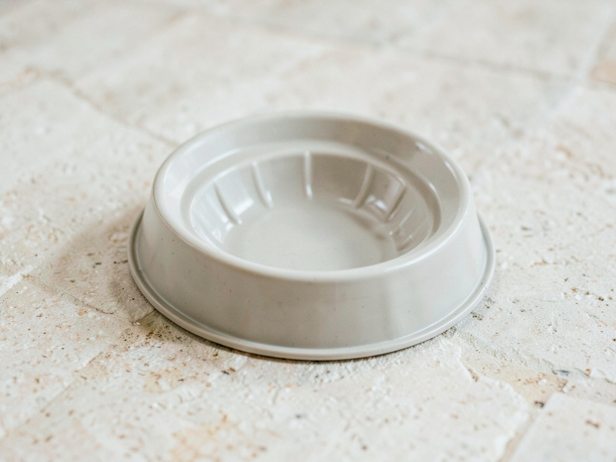
A slow-feeder water bowl designed to help dogs who drink water too fast. Essential for preventing issues like vomiting after drinking.
The oesophagus moves fluid toward the stomach in a wave of muscular contractions. When the volume exceeds what those contractions can manage, or when the lower oesophageal sphincter is momentarily overwhelmed, the water pools and comes back. In a young, otherwise healthy dog this is a plumbing problem, not a disease. The concern with deep-chested breeds is different: rapid intake of water or food, combined with air swallowing, can contribute to gastric dilatation, a condition where the stomach distends with gas and, in its most dangerous form, twists on itself. Gastric dilatation-volvulus is a genuine emergency. A bloated, hard belly, repeated unproductive retching, restlessness, and distress after drinking or eating in a large-breed dog means a vet visit now, not a wait-and-see.
How to slow a dog down at the water bowl
The most reliable intervention is a slow-feeder water bowl or a puzzle bowl with raised ridges that force the dog to drink around obstacles. These are widely available and inexpensive. A clean, large flat stone placed in the centre of a standard bowl does the same job, the dog has to drink around it and cannot take a single unobstructed gulp. Splitting water access into smaller amounts across the day helps with dogs that binge-drink after exercise: offer a moderate amount immediately after activity, wait fifteen to twenty minutes, then allow free access. Raising or lowering the bowl height can help in some cases, but the evidence for a specific height is not settled, experiment with what slows your dog without making it uncomfortable. If the dog is drinking fast because of anxiety, the drinking is a symptom; address the anxiety with a qualified trainer or veterinary behaviourist rather than only managing the bowl. For dogs in multi-pet households, separate feeding and drinking stations remove the competition pressure that started the habit.
When to stop managing it at home and call a vet
Occasional regurgitation of water in an otherwise healthy, energetic dog that eats normally and has no other symptoms is low-risk and manageable. The picture changes when regurgitation happens with every drink regardless of speed, when it is accompanied by weight loss, when the dog seems to struggle swallowing solid food as well, or when it starts in an adult dog that never had the habit before. Those patterns point toward oesophageal motility problems, a structural narrowing, or a systemic condition that needs a diagnosis, not a new bowl. A large-breed dog that retches without producing anything, has a visibly swollen belly, or seems distressed after drinking needs to reach a vet immediately, do not wait to see if it passes. The gulp-and-bring-back pattern is usually a habit problem with a practical fix, but the body it belongs to still deserves a second look if the fix stops working.