
Why Do Mosquitoes and Flies Trouble Dogs More in Summer?
Om Saraswat | Apr 27, 2026, 13:00 IST

Cool Summer Shake
Image credit : Unsplash
In summer, heat and humidity help mosquitoes and flies breed quickly, increasing their numbers. Dogs spend more time outdoors and naturally attract these insects due to body heat, moisture, and smell. This leads to more bites, irritation, and a higher risk of infections, making proper care and cleanliness especially important during this season.
Highlights
During the summer season, the population of mosquitoes and flies rises sharply due to favorable environmental conditions. Heat plays a major role in speeding up the life cycle of these insects. Eggs hatch faster, larvae grow quickly, and within days, new insects are ready to breed again. This rapid cycle leads to a sudden increase in their numbers, which is why dogs face more trouble during this time.
Dogs naturally attract insects more than humans in some situations. Their bodies emit heat and carbon dioxide, both of which are key signals that mosquitoes use to locate a host. In addition, dogs often have exposed skin areas such as ears, nose, and belly, which become easy targets for bites. Unlike humans, dogs cannot easily swat insects away, making them more vulnerable.
Flies are especially drawn to moisture and smell. In summer, dogs may sweat slightly through their paws or have damp fur from water or humidity. If a dog has any cuts, wounds, or skin infections, flies may gather around those areas. In some cases, flies can even lay eggs in open wounds, which can lead to serious conditions if not treated quickly.
![The Backyard Explorer's Day Off]()
Another important factor is behavior. Dogs tend to spend more time outdoors in summer, whether they are playing, resting, or just enjoying fresh air. Gardens, parks, and streets often have puddles, garbage, or leftover food, which act as breeding and feeding grounds for insects. Water bowls that are not cleaned regularly can also become mosquito breeding spots.
The impact of these insects is not limited to itching or irritation. Mosquitoes can transmit diseases like heartworm, which can seriously affect a dog’s health. Fly bites can cause redness, swelling, and infections, especially around sensitive areas like the ears. Continuous scratching or biting due to irritation may also damage the skin and lead to further complications.
Preventing these problems requires simple but consistent care. Keeping your dog clean and dry reduces the chances of attracting flies. Regular grooming helps remove dirt and food particles from fur. It is also important to keep the surroundings clean by removing stagnant water, properly disposing of waste, and cleaning feeding areas. Using veterinarian-approved insect repellents or protective products can also provide an extra layer of safety.
Overall, summer increases both the presence of insects and the exposure of dogs to them. With awareness and proper care, these issues can be managed effectively, ensuring your dog stays comfortable and healthy.
Celebrate the bond with your pets, explore Health & Nutrition, discover Breeds, master Training Tips, Behavior Decoder, and set out on exciting Travel Tails with Times Pets!
Dogs naturally attract insects more than humans in some situations. Their bodies emit heat and carbon dioxide, both of which are key signals that mosquitoes use to locate a host. In addition, dogs often have exposed skin areas such as ears, nose, and belly, which become easy targets for bites. Unlike humans, dogs cannot easily swat insects away, making them more vulnerable.
Flies are especially drawn to moisture and smell. In summer, dogs may sweat slightly through their paws or have damp fur from water or humidity. If a dog has any cuts, wounds, or skin infections, flies may gather around those areas. In some cases, flies can even lay eggs in open wounds, which can lead to serious conditions if not treated quickly.
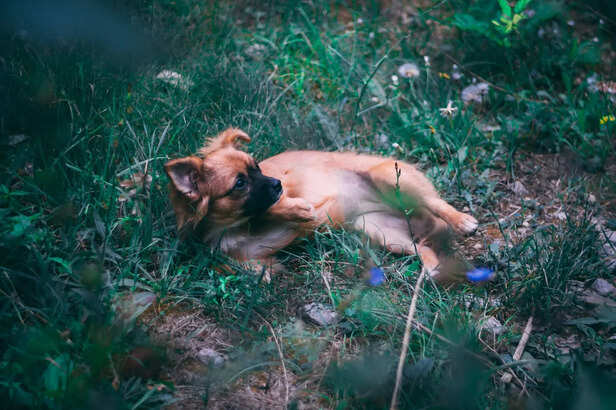
The Backyard Explorer's Day Off
Image credit : Unsplash
Another important factor is behavior. Dogs tend to spend more time outdoors in summer, whether they are playing, resting, or just enjoying fresh air. Gardens, parks, and streets often have puddles, garbage, or leftover food, which act as breeding and feeding grounds for insects. Water bowls that are not cleaned regularly can also become mosquito breeding spots.
The impact of these insects is not limited to itching or irritation. Mosquitoes can transmit diseases like heartworm, which can seriously affect a dog’s health. Fly bites can cause redness, swelling, and infections, especially around sensitive areas like the ears. Continuous scratching or biting due to irritation may also damage the skin and lead to further complications.
Preventing these problems requires simple but consistent care. Keeping your dog clean and dry reduces the chances of attracting flies. Regular grooming helps remove dirt and food particles from fur. It is also important to keep the surroundings clean by removing stagnant water, properly disposing of waste, and cleaning feeding areas. Using veterinarian-approved insect repellents or protective products can also provide an extra layer of safety.
Overall, summer increases both the presence of insects and the exposure of dogs to them. With awareness and proper care, these issues can be managed effectively, ensuring your dog stays comfortable and healthy.
Celebrate the bond with your pets, explore Health & Nutrition, discover Breeds, master Training Tips, Behavior Decoder, and set out on exciting Travel Tails with Times Pets!
Frequently Asked Questions(FAQ's)
- Why are dogs more sensitive to insect bites in summer?
Dogs are more exposed to insects due to outdoor activity and heat.Their skin and body signals attract more mosquitoes and flies. - Can mosquitoes cause serious diseases in dogs?
Yes, mosquitoes can transmit dangerous diseases like heartworm.If untreated, it can affect a dog’s heart and lungs severely. - What attracts flies to dogs the most?
Flies are attracted to moisture, wounds, and strong smells.Dirty fur or untreated injuries increase the risk. - What are simple ways to protect dogs in summer?
Maintain hygiene, avoid stagnant water, and groom regularly.Use safe insect protection methods recommended by vets.