
Why Consuming Milk Can Be Harmful for Dogs
Om Saraswat | Mar 25, 2026, 12:45 IST

Milk for Dogs?
Image credit : Freepik
Milk may appear harmless, but many dogs are lactose intolerant, and drinking it can cause stomach upset, gas, diarrhea, and discomfort, offering little benefit while potentially causing unnecessary digestive problems.
Highlights
1.Most dogs are lactose intolerant and can’t digest milk properly.
2.Milk can cause diarrhea, gas, and stomach pain in dogs.
3.High fat in milk may lead to obesity and pancreatitis.
4.Puppies may tolerate milk, but adult dogs usually cannot.
5.There are safer, dog-friendly alternatives to milk available.
2.Milk can cause diarrhea, gas, and stomach pain in dogs.
3.High fat in milk may lead to obesity and pancreatitis.
4.Puppies may tolerate milk, but adult dogs usually cannot.
5.There are safer, dog-friendly alternatives to milk available.
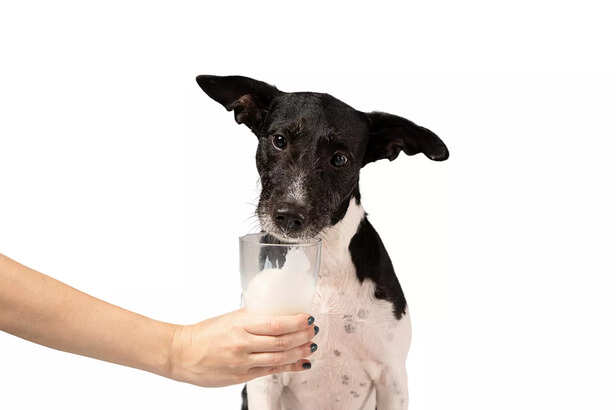
Many dog owners believe milk is good for dogs because it is nutritious for humans, but a dog’s digestive system works very differently. Most adult dogs are lactose intolerant, which means their body does not produce enough lactase, the enzyme needed to digest lactose found in milk. When lactose remains undigested, it ferments in the gut and causes stomach problems.
After drinking milk, dogs may suffer from diarrhea, loose stools, gas, bloating, and abdominal pain. In some cases, vomiting can also occur. These symptoms may appear immediately or a few hours later, making it difficult for pet parents to understand the real cause.
![Think Before Milk.]()
Milk is also high in fat, especially full cream milk. Regular consumption of fatty milk can lead to unhealthy weight gain and obesity in dogs. In serious cases, it may trigger pancreatitis, a painful condition where the pancreas becomes inflamed and requires medical attention.
Another concern is allergies and skin reactions. Some dogs develop itching, ear infections, or skin rashes after consuming milk or dairy products. This happens because their immune system reacts badly to milk proteins.
![Milk Isn't Safe for All Dogs]()
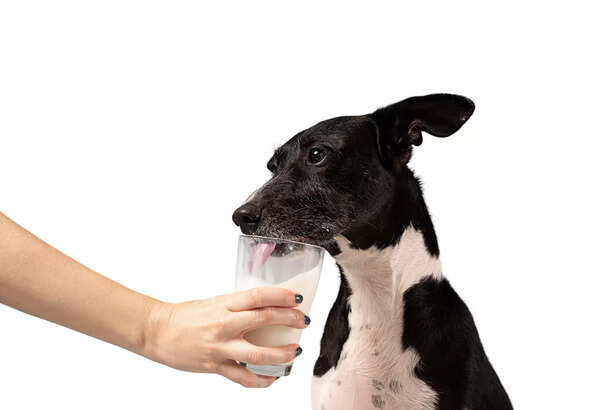
While puppies can digest their mother’s milk, cow’s milk is not the same and should not be considered a replacement. As dogs grow older, their ability to digest dairy reduces even further. That’s why milk should never be a regular part of a dog’s diet.
If you want to treat your dog, it is better to choose dog specific milk products or lactose-free alternatives recommended by vets. Fresh water should always remain the main source of hydration for dogs.
Celebrate the bond with your pets, explore Health & Nutrition, discover Breeds, master Training Tips, Behavior Decoder, and set out on exciting Travel Tails with Times Pets!
After drinking milk, dogs may suffer from diarrhea, loose stools, gas, bloating, and abdominal pain. In some cases, vomiting can also occur. These symptoms may appear immediately or a few hours later, making it difficult for pet parents to understand the real cause.
Think Before Milk.
Image credit : Freepik
Milk is also high in fat, especially full cream milk. Regular consumption of fatty milk can lead to unhealthy weight gain and obesity in dogs. In serious cases, it may trigger pancreatitis, a painful condition where the pancreas becomes inflamed and requires medical attention.
Another concern is allergies and skin reactions. Some dogs develop itching, ear infections, or skin rashes after consuming milk or dairy products. This happens because their immune system reacts badly to milk proteins.
Milk Isn't Safe for All Dogs
Image credit : Freepik
While puppies can digest their mother’s milk, cow’s milk is not the same and should not be considered a replacement. As dogs grow older, their ability to digest dairy reduces even further. That’s why milk should never be a regular part of a dog’s diet.
If you want to treat your dog, it is better to choose dog specific milk products or lactose-free alternatives recommended by vets. Fresh water should always remain the main source of hydration for dogs.
Celebrate the bond with your pets, explore Health & Nutrition, discover Breeds, master Training Tips, Behavior Decoder, and set out on exciting Travel Tails with Times Pets!
Frequently Asked Question(FAQ's)
- Can dogs drink milk occasionally?
Some dogs can handle small amounts, but many still face stomach issues. It’s safer to avoid it completely - What happens if a dog drinks milk daily?
Daily milk can cause chronic diarrhea, weight gain, and digestive problems over time. - Is milk toxic for dogs?
Milk is not toxic, but it is unhealthy for most dogs due to lactose intolerance. - What can I give instead of milk?
Fresh water, dog safe milk products, or vet-approved treats are better choices.