
Why Cats Knead Blankets and What It Means
Sonam Singh | TimesPets Bureau | Mar 15, 2026, 13:00 IST

Why Cats Knead Blankets and What It Means
Image credit : Freepik
Cats often knead blankets, pillows, or even their owners with a rhythmic pushing motion of their paws. While it may look unusual, kneading is a natural and instinctive behavior that dates back to kittenhood. From expressing comfort and affection to marking territory or preparing a resting spot, there are several reasons behind this adorable habit. Understanding why cats knead can help pet owners better interpret their cat’s emotions and behavior, strengthening the bond between them and ensuring their feline companion feels safe, relaxed, and loved.
If you’ve ever watched a cat repeatedly push its paws into a soft blanket, pillow, or even your lap, you’ve witnessed a behavior commonly known as kneading. Many cat owners affectionately call this motion “making biscuits” because it resembles the way dough is kneaded in baking. While it may seem like a quirky habit, kneading is actually a deeply rooted feline instinct. Cats of all ages, breeds, and personalities display this behavior, and it often reflects their emotional state and natural instincts. Understanding why cats knead blankets can give pet owners valuable insight into their cat’s comfort, affection, and overall well-being.
![Cat]()
One of the most common explanations for kneading traces back to a cat’s earliest days as a kitten. When kittens nurse from their mother, they instinctively knead her belly with their paws to stimulate milk flow. This action helps them feed more effectively and creates a comforting connection between the kitten and its mother. As cats grow older, they often carry this comforting habit into adulthood. Kneading blankets or soft surfaces can remind them of the warmth and security they felt during nursing. In many cases, this behavior is a sign that your cat feels safe and relaxed in its environment.
A Sign of Comfort and Happiness
Cats frequently knead when they are feeling calm, content, and comfortable. You may notice your cat kneading while lying on a cozy blanket, resting on your lap, or settling into a favorite sleeping spot. In these moments, kneading is similar to a human stretching or relaxing after a long day. It helps cats release tension in their muscles and settle into a restful state. If your cat kneads you while purring, it is often a sign of affection and trust.
Marking Territory
Another reason cats knead blankets is to mark their territory. Cats have scent glands located in their paw pads. When they knead an object or surface, they release subtle scent markers that signal ownership. This means that when your cat kneads a blanket or your clothing, it may be marking that item as part of its safe and familiar territory. Essentially, your cat is saying, “This belongs to me.”
Preparing a Comfortable Resting Spot
Kneading also has roots in the wild behavior of cats’ ancestors. Before lying down to rest, wild cats would press down grass or leaves to create a comfortable and safe sleeping area. Domestic cats have retained this instinct. Kneading blankets or bedding may help them create a soft, cozy spot before settling down for a nap. This behavior is especially common right before a cat curls up to sleep.
A Way to Show Affection
When a cat kneads its owner, it can be a meaningful sign of affection. Many cats knead their owners’ laps while purring or seeking attention. In this context, kneading acts as a form of bonding. Your cat may associate you with comfort and security, similar to how it once felt with its mother. Although the claws can sometimes be uncomfortable, the gesture itself usually means your cat feels deeply connected to you.
When Kneading Becomes Excessive
While kneading is generally harmless, some cats may knead excessively. This can sometimes be linked to anxiety, stress, or a strong desire for comfort. If a cat kneads obsessively or starts sucking on blankets while kneading, it may indicate that the cat was weaned too early as a kitten. In such cases, providing extra comfort, enrichment, and attention can help the cat feel more secure.
How Owners Can Manage Kneading
Although kneading is natural, it can occasionally cause minor problemsespecially if your cat uses its claws. To manage this behavior comfortably: Place a thick blanket on your lap during cuddle time. Trim your cat’s nails regularly to reduce scratching. Gently redirect kneading to a soft cushion or blanket Never punish your cat for kneading, as it is a normal instinctive behavior. With a little patience, kneading can remain a cute and enjoyable part of your cat’s personality.
Kneading is one of the most charming and instinctive behaviors cats display. Whether it’s a sign of comfort, affection, or an ancient survival instinct, this rhythmic paw movement reveals how your cat feels. By understanding kneading, pet owners can better connect with their feline companions and appreciate this adorable habit.
Celebrate the bond with your pets, explore Health & Nutrition, discover Breeds, master Training Tips, Behavior Decoder, and set out on exciting Travel Tails with Times Pets!
A Habit That Starts in Kittenhood
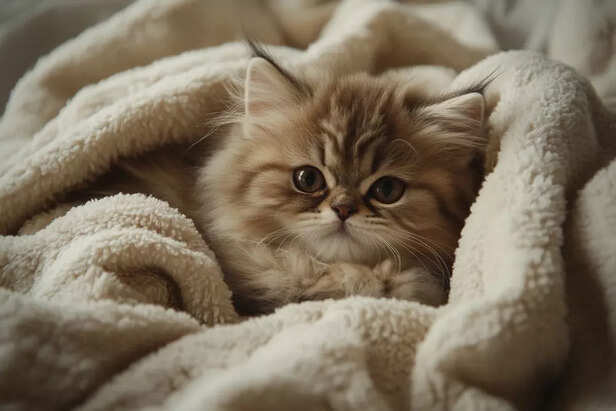
Cat
Image credit : Freepik
One of the most common explanations for kneading traces back to a cat’s earliest days as a kitten. When kittens nurse from their mother, they instinctively knead her belly with their paws to stimulate milk flow. This action helps them feed more effectively and creates a comforting connection between the kitten and its mother. As cats grow older, they often carry this comforting habit into adulthood. Kneading blankets or soft surfaces can remind them of the warmth and security they felt during nursing. In many cases, this behavior is a sign that your cat feels safe and relaxed in its environment.
A Sign of Comfort and Happiness
Marking Territory
Preparing a Comfortable Resting Spot
A Way to Show Affection
When Kneading Becomes Excessive
How Owners Can Manage Kneading
Celebrate the bond with your pets, explore Health & Nutrition, discover Breeds, master Training Tips, Behavior Decoder, and set out on exciting Travel Tails with Times Pets!