
Vet Visits in India Are Silent Panic Attacks for Most Pets
Tanisha Kumari | Sept 02, 2025, 19:15 IST

Pet stress during Vet visit
Image credit : Pexels
Most pets in India feel very anxious before and during vet visits. Dogs and cats often panic silently when they go to the clinic. Here we explain why pets feel stress and how pet parents can help them feel safe. Simple tips and ideas make every vet visit easier and happier for animals in India.
Vet visits in India can turn even the bravest pets into silent bundles of worry. It often starts at home when they see their carrier come out or a leash in hand. Their body language changes. Tails drop. They look at their parents with big, scared eyes. Pets do not know why they have to go. Most think something bad could happen. That is why many pets feel true panic before even reaching the clinic.
The way to the vet is not easy. Car rides in loud traffic can make dogs and cats nervous. Even if pet parents try to comfort them, pets may whimper or shake. When finally at the clinic, strange smells and sounds fill the air. Many animals sense the fear of others there. Some cats get even more anxious when dogs are nearby.
Once inside, pets face new people and odd rooms. Vets need to examine them by touching their bodies, looking in their mouths and sometimes giving injections but most pets do not understand these actions. So they get even more scared. Sometimes they may try to hide or run away even with their parents close by.
Most Indian pets are not trained to enjoy travel or meeting new people. Some never leave home except for vet appointments. Older pets, especially, might remember past visits as painful. A few clinics are loud and crowded, which makes pets feel lost and afraid.
Pet parents might feel guilty or helpless seeing their furry friends upset. Many vets must check many animals in a day so they cannot always take lots of time with each one. Some pets even need muzzles just to stay safe during the exam.
A big reason for silent panic is pets cannot talk or share their worries. So parents and vets must watch their body language closely. Whining, heavy breathing, shaking or hiding are all silent signs of a panic attack. Many Indian pets do not show aggression but freeze with fear.
Steps to Help Pets Feel Calm
![Stay with your pet]()
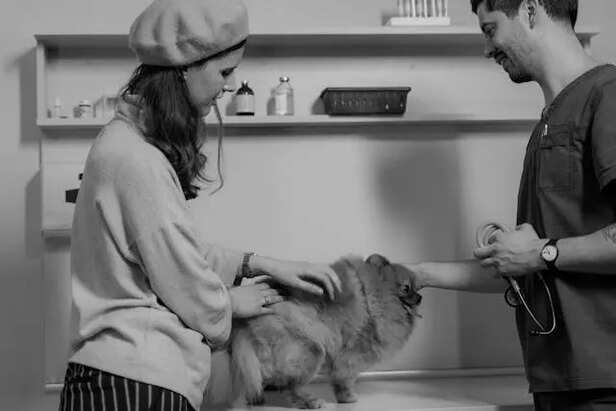
Parents can make vet trips easier with some smart steps. Home handling practice helps like gently touching paws, ears and mouth every day helps pets get used to being checked. Let your pet play with the carrier or leash so they see it as safe, not scary.
Positive car trips also help. Take your pet for short rides to happy places like parks, so they do not think every car ride ends at the vet. Treats work well. Give extra treats before, during and after the visit and playing calm music and a soft voice always make a difference for dogs and cats.
Parents must carry all medical records and tell the vet about recent moods, diets, and medicines. Ask questions. Stay with your pet. Never leave them alone in the waiting room. If a pet shows extra fear or anxiety, ask the vet about gentle calming aids or pre-visit medicines.
Changes Needed in Indian Vet Clinics
![Vet Clincs]()
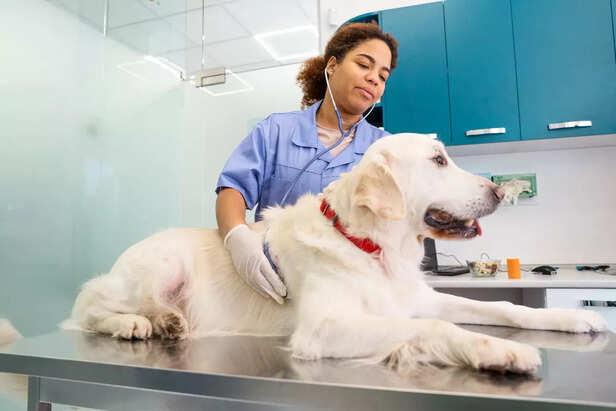
Many clinics now try to use “fear-free” methods. This means more quiet rooms, softer lighting and friendly touches. Some clinics play calming music or use gentle scents. Vets may use slow, careful actions and talk softly to pets. This helps them feel safe and loved, not punished.
Pet psychology in India is growing. Some clinics offer pet behavior training or wellness visits with no checkup, just for fun. These visits teach pets that the vet is not scary. More clinics now welcome feedback from pet parents, so each visit can improve for everyone.
The Unique Angle: India’s Pets Need Extra Care
![Extra Care]()
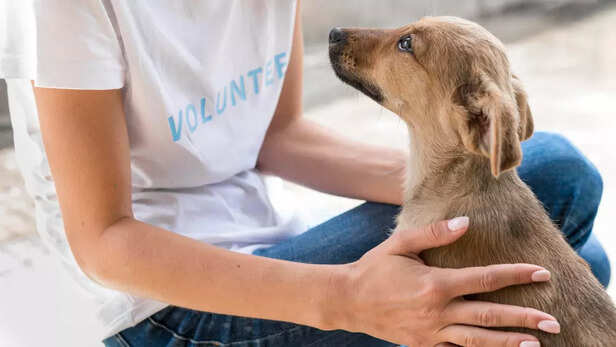
Indian pets face many stressful vet visits because many only leave the house for medical reasons. This makes every trip a big event. Too many faces, loud city sounds, busy waiting rooms and fast exams can scare even adult pets. To help pets breathe easy, clinics and parents must work together. Pets need calm spaces, gentle words and slow actions. Everyone can help them feel safe and not terrified during the next vet trip.
In conclusion, vet visits in India should not be silent panic attacks for pets. With more training, gentle handling, better clinics and careful travel, pets can learn that these visits mean care and love. Parents must watch for silent signs of fear, and vets must create calm spaces. Indian pets are family and their health and happiness matter every day.
Discover expert advice and the latest tips on pet care, training, health, and more. Stay updated with all things pets at Times Pets!
Frequently Asked Questions (FAQs)
The way to the vet is not easy. Car rides in loud traffic can make dogs and cats nervous. Even if pet parents try to comfort them, pets may whimper or shake. When finally at the clinic, strange smells and sounds fill the air. Many animals sense the fear of others there. Some cats get even more anxious when dogs are nearby.
Once inside, pets face new people and odd rooms. Vets need to examine them by touching their bodies, looking in their mouths and sometimes giving injections but most pets do not understand these actions. So they get even more scared. Sometimes they may try to hide or run away even with their parents close by.
Why Are Vet Visits So Stressful for Indian Pets
Pet parents might feel guilty or helpless seeing their furry friends upset. Many vets must check many animals in a day so they cannot always take lots of time with each one. Some pets even need muzzles just to stay safe during the exam.
A big reason for silent panic is pets cannot talk or share their worries. So parents and vets must watch their body language closely. Whining, heavy breathing, shaking or hiding are all silent signs of a panic attack. Many Indian pets do not show aggression but freeze with fear.
Steps to Help Pets Feel Calm
Stay with your pet
Image credit : Pexels
Parents can make vet trips easier with some smart steps. Home handling practice helps like gently touching paws, ears and mouth every day helps pets get used to being checked. Let your pet play with the carrier or leash so they see it as safe, not scary.
Positive car trips also help. Take your pet for short rides to happy places like parks, so they do not think every car ride ends at the vet. Treats work well. Give extra treats before, during and after the visit and playing calm music and a soft voice always make a difference for dogs and cats.
Parents must carry all medical records and tell the vet about recent moods, diets, and medicines. Ask questions. Stay with your pet. Never leave them alone in the waiting room. If a pet shows extra fear or anxiety, ask the vet about gentle calming aids or pre-visit medicines.
Changes Needed in Indian Vet Clinics
Vet Clincs
Image credit : Freepik
Many clinics now try to use “fear-free” methods. This means more quiet rooms, softer lighting and friendly touches. Some clinics play calming music or use gentle scents. Vets may use slow, careful actions and talk softly to pets. This helps them feel safe and loved, not punished.
Pet psychology in India is growing. Some clinics offer pet behavior training or wellness visits with no checkup, just for fun. These visits teach pets that the vet is not scary. More clinics now welcome feedback from pet parents, so each visit can improve for everyone.
The Unique Angle: India’s Pets Need Extra Care
Extra Care
Image credit : Freepik
Indian pets face many stressful vet visits because many only leave the house for medical reasons. This makes every trip a big event. Too many faces, loud city sounds, busy waiting rooms and fast exams can scare even adult pets. To help pets breathe easy, clinics and parents must work together. Pets need calm spaces, gentle words and slow actions. Everyone can help them feel safe and not terrified during the next vet trip.
In conclusion, vet visits in India should not be silent panic attacks for pets. With more training, gentle handling, better clinics and careful travel, pets can learn that these visits mean care and love. Parents must watch for silent signs of fear, and vets must create calm spaces. Indian pets are family and their health and happiness matter every day.
Discover expert advice and the latest tips on pet care, training, health, and more. Stay updated with all things pets at Times Pets!
Frequently Asked Questions (FAQs)
- What are common signs of pet anxiety at the vet?
Pets may shake, whine, hide or breathe fast. They might try to run away or avoid being touched. - What can one do before a vet visit to reduce their pet’s stress?
Practice gentle handling at home and take short car rides to fun places so pets do not always think travel means a vet trip. - Are calming medications safe for pets during vet visits?
Calming medications prescribed by a vet are safe and sometimes needed for very anxious pets.