Rabbits are not rodents that nibble at whatever is offered. They are strict herbivores built around a digestive system that needs constant, slow-moving fibre to function. Hay, dried grass, is the closest thing to what a wild rabbit grazes on for most of its waking hours, and that evolutionary fit is the reason it should make up roughly 80 to 90 percent of a domestic rabbit's daily intake.
What hay does to a rabbit's teeth
A rabbit's teeth never stop growing. Unlike human teeth, they grow continuously throughout the animal's life, both the incisors at the front and the molars at the back. The only thing that keeps them at a functional length is the mechanical action of chewing fibrous material. Hay requires a sideways grinding motion that pellets and vegetables do not. That grinding wears the molars down evenly. Without it, teeth grow at uneven angles, develop sharp spurs, and begin cutting into the tongue and cheeks, a condition called dental malocclusion. A rabbit that is eating less, dropping food, or losing weight may have molar spurs that are invisible from the outside and only visible under sedation at a vet clinic. The fix is a vet procedure. The prevention is hay, eaten in volume, every day.
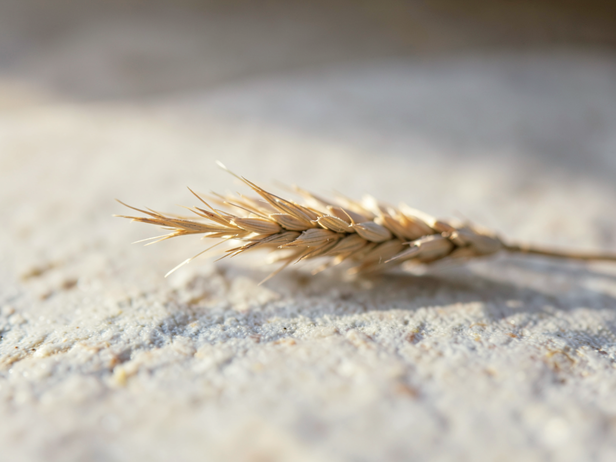
![Single Hay Stem on Stone]()
Single Hay Stem on Stone
Image credit : AI
Examining the texture of hay, essential for rabbit digestive health.
What hay does to a rabbit's gut
A rabbit's digestive tract is built to keep moving. Fibre from hay stimulates gut motility, the wave-like contractions that push food through the intestines. When fibre intake drops, gut movement slows. In rabbits, this can progress to gastrointestinal stasis: a state where the gut slows to near-standstill, gas builds, and the animal stops eating and passing droppings. GI stasis is a medical emergency. A rabbit that has not passed droppings in 12 hours, is sitting hunched, or has stopped eating needs a vet the same day, not a wait-and-see approach.
Hay also feeds the caecum, a large fermentation pouch where beneficial bacteria break down plant material. A healthy caecum produces caecotropes, soft droppings the rabbit eats directly from its own body. These are not waste; they are a concentrated source of protein, B vitamins, and microbial nutrients that the rabbit's small intestine could not extract on the first pass. A rabbit that is not eating its caecotropes, or that has loose, foul-smelling ones, often has a diet too high in sugar or starch, usually from too many pellets or fruit, and not enough hay.
Which hay, and how much
Timothy hay is the most widely available variety and appropriate for adult rabbits. Orchard grass and meadow hay are good alternatives. Oat hay is higher in fibre and lower in protein, suitable for adult rabbits. Alfalfa hay is high in calcium and protein and appropriate for young rabbits under six months and pregnant or nursing does, not for healthy adult rabbits, where the excess calcium can contribute to urinary sludge and bladder problems over time.
The practical measure: a rabbit should have access to a pile of hay roughly the size of its own body, every day, replenished as it eats. It should never run out. A rabbit that is eating its full daily hay allowance will produce many small, round, dry droppings throughout the day. That is the clearest sign the gut is working as it should.
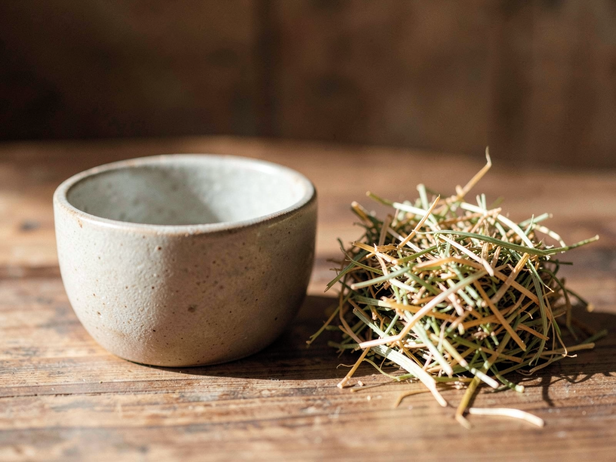
![Morning Light Still Life]()
Morning Light Still Life
Image credit : AI
Essential rabbit diet hay and fresh water, vital for digestive health.
Where pellets and vegetables fit
Pellets are not the foundation of the diet, they are a supplement. A small quantity of high-fibre, grass-based pellets, roughly one to two tablespoons per kilogram of body weight per day for an adult rabbit, provides a consistent baseline of nutrients. More than that crowds out hay. Pellets that are muesli-style mixes with seeds, dried fruit, and coloured pieces are not appropriate; rabbits selectively eat the high-sugar pieces and leave the rest, which defeats the nutritional point entirely.
Fresh leafy greens, dark leafy varieties such as romaine, coriander, and spinach in small amounts, add variety and hydration. Fruit, because of its sugar content, is an occasional treat in small pieces, not a daily item. Starchy vegetables like potatoes and corn are not suitable for rabbits at all. Water must be available at all times, either in a bowl or a bottle, though many rabbits drink more readily from a bowl.
The sign that hay intake has fallen short
A rabbit eating enough hay produces a steady stream of uniform, firm, dry droppings. Droppings that are smaller than usual, misshapen, strung together with fur, or absent altogether are the body's signal that something is wrong with gut motility, and the first question is always whether hay intake has been adequate. If hay intake looks fine and droppings are still abnormal, that is a reason to call a vet rather than adjust the diet further on your own. Dental problems, pain, and early GI stasis all look similar from the outside.