A rabbit's incisors grow at roughly 2 to 3 millimetres a week. The cheek teeth, molars and premolars, sitting deep in the jaw where you cannot see them, grow more slowly but just as relentlessly. This is not a quirk. It is the design: rabbits evolved to grind coarse, abrasive vegetation all day, and teeth that wore down without replacement would leave the animal unable to eat within months. In a pet rabbit eating the wrong diet, that same design becomes the source of nearly every dental problem a vet sees.
Why teeth that never stop growing can go wrong
Continuous growth works only when continuous wear keeps pace. In the wild, a rabbit spends most of its waking hours chewing grass, hay, bark, and fibrous plants. The lateral, side-to-side grinding motion that breaks down this material also files the teeth against each other at the correct angle, keeping the surfaces flat and the length controlled.
When that grinding motion is reduced, because the diet is soft, low in fibre, or built around pellets and vegetables rather than long-stem hay, the teeth grow without wearing evenly. The result is malocclusion: teeth that no longer meet at the right angle. Misaligned incisors are visible to an owner. Misaligned cheek teeth are not, and they are far more dangerous. Sharp spurs develop on the edges of the molars and premolars, cutting into the tongue and the cheeks from the inside. A rabbit in this state will eat less, drool, lose weight, and become quiet, signs that are easy to miss or attribute to something else entirely.
The roots of the cheek teeth sit close to the tear ducts and the base of the eye socket. Tooth root problems in rabbits frequently cause eye discharge, bulging, or abscess near the face, symptoms that look nothing like a dental problem to an owner who does not know the anatomy.
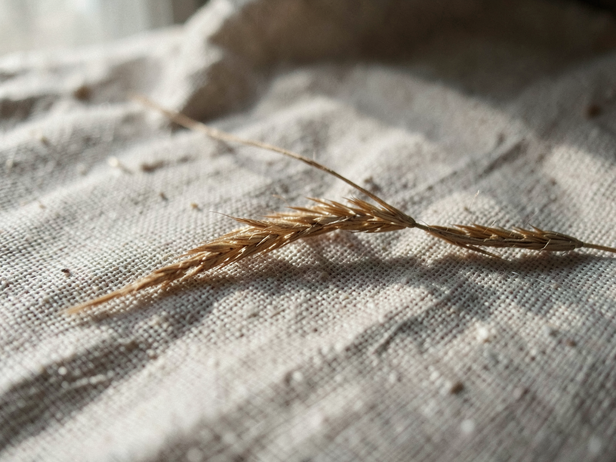
![Hay Strand on Linen]()
Hay Strand on Linen
Image credit : AI
I examine the importance of rabbit diet hay for dental care. This close-up reveals true-to-life fibre texture.
What the diet actually needs to do
Hay is not a supplement or a treat. It is the diet. Specifically, grass hay, timothy, orchard grass, meadow hay, should make up roughly 80 to 90 percent of what a rabbit eats, available at all times in quantities larger than the rabbit itself. The length of the hay strands matters: long fibres require the full grinding motion that wears teeth correctly. Pellet hay, compressed cubes, and finely chopped hay do not deliver the same mechanical benefit.
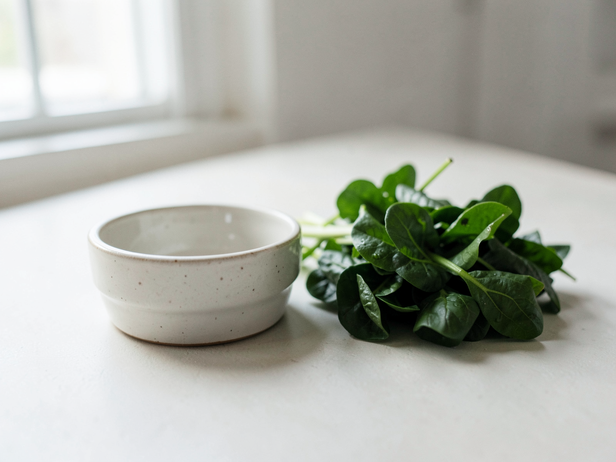
Fresh leafy greens, dark lettuces, herbs, leafy vegetables, contribute hydration and variety and are appropriate in moderate daily amounts. Pellets, if fed at all, are a small supplement for adults, not a staple. Fruit and starchy vegetables are occasional and small: the sugar content is a secondary concern, but the low fibre content is the primary one. A rabbit that fills up on pellets and vegetables will eat less hay, and less hay means less grinding, and less grinding means the teeth grow faster than they wear.
One practical note for flat-dwelling owners: hay is dusty, takes up space, and needs to be stored dry. A rabbit that consistently refuses hay despite being offered it, or that eats hay eagerly and then stops, is worth a vet visit, reduced hay intake is often the first sign that eating has become uncomfortable.
What to check at home, and what you cannot check
The incisors, the four front teeth, two upper and two lower, are visible when you gently lift the upper lip. Healthy rabbit incisors are straight, meet evenly, and show no overgrowth, cracking, or discolouration. The uppers should sit slightly in front of the lowers. If they cross, one overrides the other, or one is visibly longer, that is malocclusion and it needs a vet.
The cheek teeth cannot be examined at home. A rabbit's mouth is narrow, deep, and does not open wide. Even experienced vets use an otoscope or a purpose-made speculum to see the molars, and a full assessment of the tooth roots requires X-rays. Owners who are told their rabbit's teeth look fine from a home check have only confirmed that the incisors look fine. The cheek teeth remain unknown.
Signs that suggest a cheek tooth problem: dropping food while chewing (sometimes called quidding), a wet chin from drool, weight loss that has no obvious cause, one-sided chewing, reduced appetite, or discharge from one eye. Any of these warrants a vet visit, not a watch-and-wait approach.
![Fresh Greens and Bowl]()
Fresh Greens and Bowl
Image credit : AI
Fresh greens are vital for rabbit dental care, supporting healthy teeth and preventing malocclusion.
How often dental checks should happen
A healthy adult rabbit eating a correct hay-based diet should have its teeth assessed by a vet at least once a year, as part of a general health check. Rabbits with a history of dental problems, or breeds with shortened faces, Lionheads, Netherland Dwarfs, and similar compact-skulled breeds, are at higher structural risk of malocclusion and may need checks every six months. The anatomy of a short-faced rabbit means the teeth are crowded into a smaller jaw, and the grinding angles are more likely to go off over time regardless of diet.
When a vet finds spurs or overgrowth, the treatment is filing or burring the teeth down under anaesthesia. This is a routine procedure in rabbit-savvy practices, but it does require general anaesthesia, which carries a slightly higher risk in rabbits than in dogs or cats. A rabbit that needs repeated procedures every few months despite a correct diet has a structural problem, and the frequency of that intervention is a conversation to have with the vet, not a reason to skip it.
Dental disease is the most common health problem seen in pet rabbits in veterinary practice. The good news is that most of it is preventable, and the prevention costs nothing beyond a consistent supply of good hay and the habit of watching how a rabbit eats.