
Top Vaccinations Every Pet Needs
Sonam Singh | TimesPets Bureau | Apr 16, 2026, 18:45 IST

Top Vaccinations Every Pet Needs
Image credit : Freepik
Vaccination is one of the most important steps in keeping pets healthy and protected from serious diseases. Whether you have a dog or a cat, timely vaccines can prevent life threatening infections and reduce the risk of disease transmission. This article highlights the essential vaccinations every pet needs, explains their importance, and guides pet owners on maintaining a proper vaccination schedule. By staying informed, you can ensure your furry friend lives a long, happy, and disease free life.
Pets are not just animals; they are family members. Just like humans, pets are also vulnerable to various diseases, many of which can be prevented through proper vaccination. Vaccines help build immunity against harmful viruses and bacteria, ensuring your pet stays safe even when exposed to infections. Regular vaccination not only protects your pet but also helps prevent the spread of diseases to other animals and humans. Understanding which vaccines are essential is the first step toward responsible pet care.
Core Vaccines for Dogs
![Core Vaccines for Dogs]()
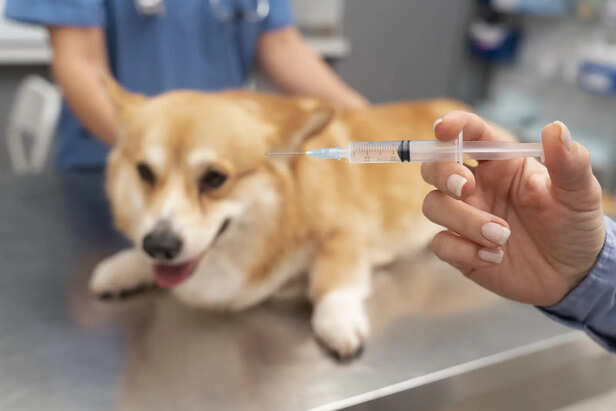
Core vaccines are essential for all dogs regardless of their lifestyle. These include protection against rabies, distemper, parvovirus, and adenovirus. Rabies is especially critical as it is fatal and can spread to humans. Distemper affects the respiratory and nervous system, while parvovirus can cause severe digestive issues. These vaccines are usually given in a series during puppyhood, followed by booster doses to maintain immunity throughout the dog’s life.
Core Vaccines for Cats
![Core Vaccines for Cats]()
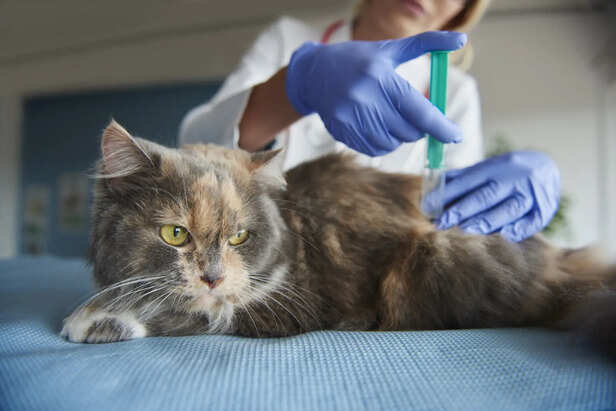
Cats also require core vaccinations to stay protected. The most important ones include rabies, feline panleukopenia, calicivirus, and herpesvirus. These diseases can cause severe infections affecting a cat’s immune system, respiratory health, and overall well-being. Kittens receive these vaccines in multiple doses early in life, and adult cats need booster shots to ensure continued protection, especially if they go outdoors or interact with other animals.
Non-Core (Optional) Vaccines Based on Lifestyle
![Non-Core (Optional) Vaccines Based on Lifestyle]()
Not all pets need every vaccine. Some vaccinations depend on your pet’s environment and lifestyle. For example, dogs that frequently visit parks or boarding facilities may need vaccines for kennel cough (Bordetella) and leptospirosis. Cats that roam outdoors may benefit from vaccines like feline leukemia. Consulting a veterinarian helps determine which optional vaccines are necessary based on your pet’s daily exposure and risk level.
Vaccination Schedule and Booster Importance
![Vaccination Schedule and Booster Importance]()
Following a proper vaccination schedule is just as important as getting the vaccines themselves. Puppies and kittens usually start vaccinations at 6 to 8 weeks of age, with boosters every few weeks until they are fully protected. Adult pets require periodic booster shots to maintain immunity. Missing vaccinations can leave pets vulnerable to infections, so maintaining a record and regular vet visits is crucial for long term health.
Vaccinations are a simple yet powerful way to protect your pet from dangerous diseases. By ensuring your pet receives both core and necessary non core vaccines on time, you can significantly improve their quality of life. Regular vet consultations and timely booster shots will keep your pet safe, healthy, and happy for years to come. Responsible vaccination is not just about care it’s about giving your pet the best life possible.
Core Vaccines for Dogs
Core Vaccines for Dogs
Image credit : Freepik
Core vaccines are essential for all dogs regardless of their lifestyle. These include protection against rabies, distemper, parvovirus, and adenovirus. Rabies is especially critical as it is fatal and can spread to humans. Distemper affects the respiratory and nervous system, while parvovirus can cause severe digestive issues. These vaccines are usually given in a series during puppyhood, followed by booster doses to maintain immunity throughout the dog’s life.
Core Vaccines for Cats
Core Vaccines for Cats
Image credit : Freepik
Cats also require core vaccinations to stay protected. The most important ones include rabies, feline panleukopenia, calicivirus, and herpesvirus. These diseases can cause severe infections affecting a cat’s immune system, respiratory health, and overall well-being. Kittens receive these vaccines in multiple doses early in life, and adult cats need booster shots to ensure continued protection, especially if they go outdoors or interact with other animals.
Non-Core (Optional) Vaccines Based on Lifestyle

Non-Core (Optional) Vaccines Based on Lifestyle
Image credit : Freepik
Not all pets need every vaccine. Some vaccinations depend on your pet’s environment and lifestyle. For example, dogs that frequently visit parks or boarding facilities may need vaccines for kennel cough (Bordetella) and leptospirosis. Cats that roam outdoors may benefit from vaccines like feline leukemia. Consulting a veterinarian helps determine which optional vaccines are necessary based on your pet’s daily exposure and risk level.
Vaccination Schedule and Booster Importance

Vaccination Schedule and Booster Importance
Image credit : Pexels
Following a proper vaccination schedule is just as important as getting the vaccines themselves. Puppies and kittens usually start vaccinations at 6 to 8 weeks of age, with boosters every few weeks until they are fully protected. Adult pets require periodic booster shots to maintain immunity. Missing vaccinations can leave pets vulnerable to infections, so maintaining a record and regular vet visits is crucial for long term health.
Vaccinations are a simple yet powerful way to protect your pet from dangerous diseases. By ensuring your pet receives both core and necessary non core vaccines on time, you can significantly improve their quality of life. Regular vet consultations and timely booster shots will keep your pet safe, healthy, and happy for years to come. Responsible vaccination is not just about care it’s about giving your pet the best life possible.