
Thinking of a Pet Rabbit Here’s How to Care for Their Space Diet and Health
Upasna Yadav | Jan 20, 2026, 12:24 IST

Pet rabbit in a spacious indoor habitat
Rabbits require proper care, love, and commitment. They have specific needs and can be more demanding than some other pets to care for.Rabbits can live for 10+ years with proper care. In addition to exercise, it’s important to provide your rabbit with mental stimulation—items like chew toys, tunnels, and cardboard dig boxes. Rabbits are not nocturnal—they are crepuscular, which means they are most active around sunrise and sunset. However, rabbits typically adjust to their pet parent’s schedule and behavior.
Highlights
1.Rabbits are lagomorphs, not rodents. As intelligent and social animals, rabbits need daily handling, playtime, and exercise outside their enclosed habitat.
2.Rabbits must always be closely supervised when outside of their habitats. Pet parents should only allow their rabbits to access rabbit-proofed spaces that are free from wires, cables, and other objects they can chew. Rabbits often enjoy living with at least one other rabbit, especially if you raise them together.
3.It’s important to provide daily social interaction with your rabbit through play time, grooming, and exploration.
2.Rabbits must always be closely supervised when outside of their habitats. Pet parents should only allow their rabbits to access rabbit-proofed spaces that are free from wires, cables, and other objects they can chew. Rabbits often enjoy living with at least one other rabbit, especially if you raise them together.
3.It’s important to provide daily social interaction with your rabbit through play time, grooming, and exploration.
How To Care for a Rabbit ?
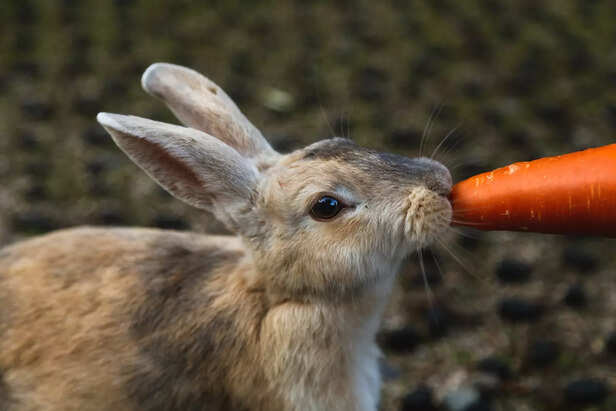
Grooming and health care of rabbit
There are several considerations to keep in mind when you’re the pet parent of a rabbit. These include: Pet rabbits require safe, clean housing, a nutritious diet, daily exercise, grooming, and annual veterinary care. Rabbit-proofing your home helps keep your pet safe from injuries, toxins, and accidents.
Rabbits love to chew and dig, so rabbit proofing is essential. Protect wires, cover baseboards, remove toxic plants, provide safe chew toys, and supervise your furry friend they are out of their enclosure. Rabbits are very clean animals. They like to go to the bathroom in the same spot, which is helpful for litter box training. Litter box training is a great way to help keep their environment clean and decrease the daily maintenance for you of their enclosure.
Diet
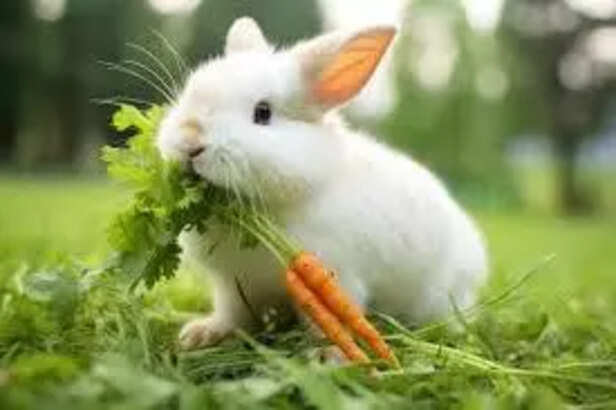
Healthy diet food for rabbit
Pet rabbits are very similar to their wild cousins, so their diet should mimic that of a wild rabbit as close as possible. They need plenty of high-quality fibres to maintain healthy teeth (which continue to grow throughout their lives) and a healthy gut. Feeding your rabbit the wrong food or portion size can result in urinary and dental problems. A great way to check you’re feeding your rabbit correctly is by checking their droppings; they should be large and look like compressed hay.
Hay and grass
Rabbits need unlimited access to hay, as grass-based products should make up around 80% of their diet. That means fresh and dried grass and meadow hay. Not only do hay and grass meet all their basic nutritional requirements, they also have many other benefits, including maintaining healthy teeth which continue to grow throughout their lives. Rabbits that don’t eat enough hay or grass can develop painful ‘spurs’ on their teeth, which make eating difficult. Avoid feeding your rabbit lawnmower clippings as these ferment quickly and can be extremely harmful.
Vegetables
Rabbits can have a small amount of vegetables each day, accounting for around 15% of their diet. This not only provides your rabbit with other nutrients and vitamins, it also gives them a variety of different flavours and textures to enjoy. Make sure to wash all greens and vegetables thoroughly before feeding them to your rabbit.
Safe vegetables for rabbits include:
- Asparagus
- Basil
- Broccoli
- Brussel sprouts
- Carrots
- Cauliflower
- Celery leaves
- Radish tops
- Amaryllis
- Bindweed
- Bracken
- Cabbage
- Garlic
- Oak leaves
- Onion
- Potato
- Pellets
Water
Rabbits need access to fresh water at all times. Bowls are preferable to bottles as they’re easier to drink from and won’t become blocked. Make sure you change their water daily and thoroughly clean out bowls and bottles regularly.
Health
As well as regular health checks, rabbits should be vaccinated against two serious and fatal diseases: Myxomatosis and Viral Haemorrhasic Disease (RHD) as soon as they reach five weeks old. They should also be given annual booster vaccines to maintain their protection.
Grooming

Safe outdoor playtime for rabbits
Regular grooming is important for pet rabbits. As well as keeping nails clean and trimmed, you should also care for their fur with regular brushing to avoid matting. This also gives you a chance to look them over for any health issues. Short haired breeds need grooming with a soft-bristled brush around once a week. This should be increased to a few times a week when they start moulting.
Celebrate the bond with your pets, explore Health & Nutrition, discover Breeds, master Training Tips, Behavior Decoder, and set out on exciting Travel Tails with Times Pets!
Frequently asked questions (FAQs)
- How much space does a pet rabbit need ?
A pet rabbit needs enough space to hop, stretch, and stand upright. The enclosure should be at least 4–6 times the rabbit’s size, along with daily free-roaming or exercise time outside the cage. - What is the best diet for a healthy rabbit ?
The best rabbit diet includes 70–80% hay, fresh leafy vegetables daily, a small portion of high-fiber pellets, and unlimited fresh water. Hay is essential for digestion and dental health. - Can rabbits live indoor ?
Yes, rabbits can live comfortably indoors. Indoor rabbits are often healthier and safer, provided they have enough space, proper ventilation, and regular exercise time.