A seed mix sitting in a pet-store bag looks complete. It has variety, it smells right, and the hamster eats it eagerly. The eagerness is part of the problem. Hamsters are selective feeders by instinct, in the wild, they forage across a wide range of grasses, roots, insects, and occasional grains. A bowl of mixed seeds lets them pick out the sunflower seeds and millet, leave the rest, and end up with a diet that is high in fat and low in almost everything else. That selective eating is why the mix on the label and the mix your hamster actually consumes are two different things.
What a seed mix provides, and what it doesn't
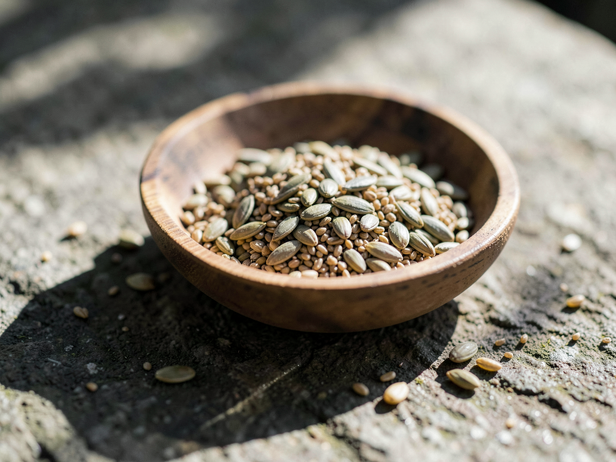
Seeds and grains give a hamster carbohydrates and fat. Both are necessary. The issue is proportion. Sunflower seeds, which most hamsters prefer above everything else in a mix, are roughly 50 percent fat. A hamster that eats primarily sunflower seeds over weeks gets excess fat, inadequate protein, and almost no vitamins or minerals. Over time, this pattern is linked to obesity, fatty liver, and a shortened lifespan in hamsters. The seed mix is not wrong as an ingredient. It is wrong as the whole diet.
![Sunflower Seeds and Millet]()
Sunflower Seeds and Millet
Image credit : AI
I'm showcasing a natural hamster diet, featuring sunflower seeds and millet. This is what to feed a hamster for balanced nutrition.
Protein: the piece most owners skip
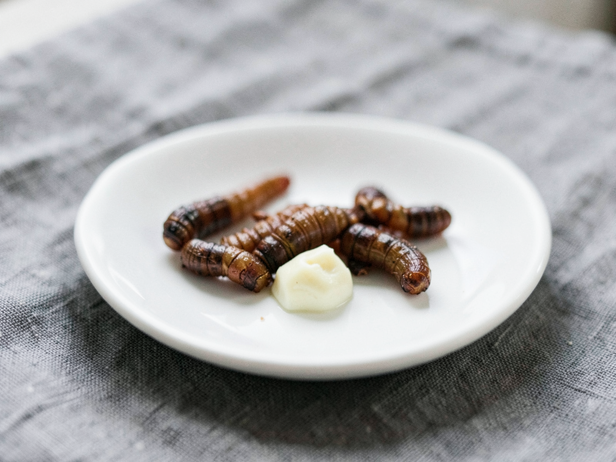
Hamsters are omnivores. In the wild, insects make up a meaningful part of what they eat, particularly for pregnant females and young animals. A pet hamster needs a small amount of animal protein regularly, not as a treat, but as a dietary component. Mealworms, dried or live, are the most practical source for most owners. A small pinch of plain cooked egg white, unseasoned and offered once or twice a week, works too. Plain cooked chicken in a very small amount is fine. What does not work: processed meat, anything salted or spiced, or dairy in quantity. The protein portion does not need to be large, a few mealworms or a fingertip of egg white is enough, but skipping it entirely leaves a real gap, especially in younger or breeding animals.
Vegetables and the right way to offer them
Fresh vegetables fill the vitamin and fibre gap that seeds cannot. Broccoli, cucumber, carrot, and leafy greens such as spinach or coriander are safe in small amounts. The key qualifier on every fresh food for hamsters is small amounts: a piece the size of your thumbnail, two or three times a week, is appropriate. More than that, particularly with watery vegetables like cucumber, causes loose stools and can lead to wet tail in dwarf breeds, a bacterial condition that becomes serious quickly. Fruit is not a daily food. It contains sugar that hamsters process poorly in large amounts. A sliver of apple without seeds, occasionally, is fine. Grapes and citrus are not safe for hamsters. Onion, garlic, raw potato, and rhubarb are toxic and must never appear in the bowl.
![Mealworms and Egg White]()
Mealworms and Egg White
Image credit : AI
A simple, protein-rich addition to a hamster diet. Offering variety beyond seed mix.
Commercial pelleted food and how it fits in
A hamster-specific pelleted or extruded food, not the mixed seed bag, but a uniform pellet where every piece has the same nutritional profile, solves the selective-eating problem that seed mixes create. Pellets cannot be sorted. Every mouthful delivers the same balance of protein, fat, and carbohydrate. Many vets who see hamsters regularly recommend a pellet as the dietary base, with seeds as a smaller portion of the bowl rather than the whole of it. If you are switching from a pure seed diet, do it gradually over one to two weeks by mixing increasing amounts of pellet into the existing mix. An abrupt change causes stress and digestive upset in small animals.
Water, portion size, and when to call a vet
Fresh water must be available at all times, either in a sipper bottle or a shallow bowl changed daily. Hamsters are small enough that dehydration moves fast. On portions: a Syrian hamster needs roughly one to two teaspoons of dry food daily; dwarf breeds need less. Hamsters hoard, so an empty-looking bowl does not mean the animal is underfed, check the nest and corners of the enclosure. If your hamster is losing weight despite eating, has loose stools that persist beyond a day, is lethargic, or stops eating entirely, those are signs that need a vet's attention rather than a diet adjustment at home. Wet tail, in particular, deteriorates within hours and is a same-day vet call.