
The One Ingredient Indian Households Feed Pets Without Realizing It’s Harmful!
Keshvi Sood | Dec 17, 2025, 16:36 IST

Everyday danger
( Image credit : Freepik )
In Indian homes, feeding pets often comes from a place of love. A spoon from the dinner plate, leftovers mixed into kibble, or a quick treat during meals feels natural. After all, pets are family. But this everyday habit hides a quiet problem that many pet parents never question. One common kitchen ingredient, found in almost every Indian household, is regularly fed to pets without knowing it can slowly harm their health. The intention is affection, but the impact can be discomfort, illness, and long-term damage.
The Ingredient We Never Suspect
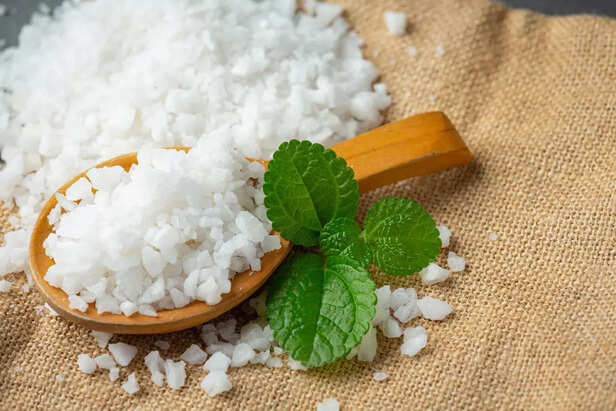
Common Salt
( Image credit : Freepik )
Salt is the ingredient most Indian pet parents overlook. It is so normal in our food that we assume a little will not hurt our pets. From dal and sabzi to rice and curries, salt is everywhere. When pets are fed home-cooked leftovers or snacks meant for humans, they consume far more salt than their bodies can handle.
Unlike humans, pets have a much lower tolerance for sodium. Their kidneys work harder to process it, and excess salt can lead to dehydration, vomiting, weakness, and even sodium poisoning in extreme cases. What makes this risky is not a single incident, but repeated exposure over time. A few bites daily may seem harmless, but it adds up silently. Many health issues blamed on age or breed actually start with dietary habits we never question.
Why Indian Homes Are Especially at Risk
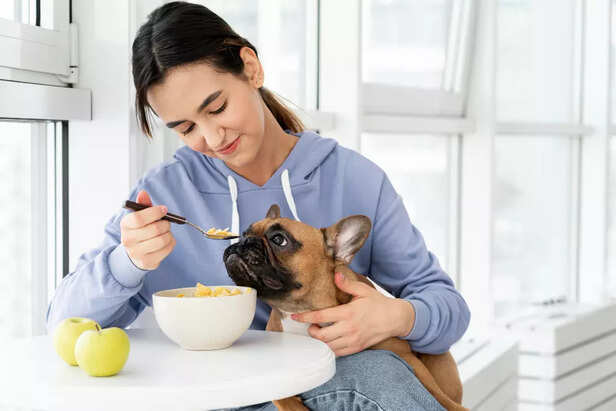
Cultural habits
( Image credit : Freepik )
Indian food is rich, flavorful, and heavily seasoned. Even dishes that do not taste salty often contain hidden sodium from spices, masalas, and packaged ingredients. Pets sharing family meals are exposed to these layers of seasoning without us realizing it.
Culturally, feeding pets from our plate is seen as bonding. Saying no can feel heartless. But pets do not understand moderation the way humans do. Their bodies react differently, and what feels like a small indulgence to us becomes a regular health stressor for them. Cats and dogs may seem fine initially, which reinforces the habit. The problem surfaces slowly through digestive trouble, excessive thirst, urinary issues, or low energy. By the time symptoms appear, the damage has often been building for months or years.
Healthier Ways to Show Love Through Food
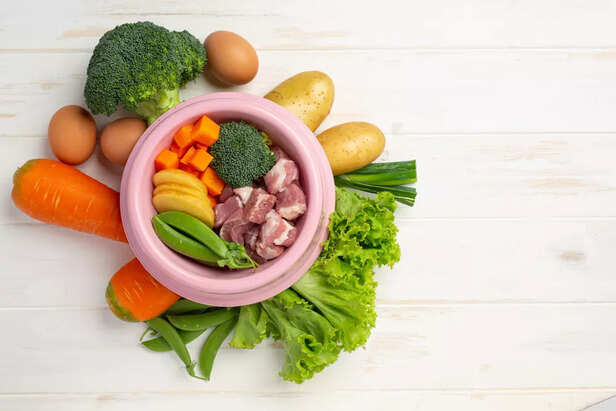
Better choices
( Image credit : Freepik )
Loving your pet does not mean sharing everything you eat. In fact, true care often means setting boundaries. Plain home-cooked food without salt, spices, or oil can be safe if prepared specifically for pets. Boiled rice, vegetables, or lean meat in moderation works far better than leftovers.
Reading labels is equally important. Many pet parents unknowingly add salty packaged snacks assuming they are treats. Always check sodium content, even in pet-labeled products. Fresh water access is essential, especially if your pet has consumed something salty by mistake.
Most importantly, shift the emotional connection away from food sharing. Pets value routine, playtime, and attention just as much. A walk, a few minutes of play, or simple affection often means more to them than a bite of your meal. Food should nourish, not comfort guilt or habit.
Love Them Enough to Change the Bowl
Informed love
( Image credit : Freepik )
The most dangerous ingredient is often the most familiar one. Salt feels harmless because it is part of daily life, but for pets, it can quietly steal comfort and health. Rethinking what goes into their bowl is not about restriction. It is about awareness. When we replace habits with informed choices, we give our pets something far more valuable than scraps. We give them a longer, healthier, and happier life by our side.
Celebrate the bond with your pets, explore Health & Nutrition, discover Breeds, master Training Tips, Behavior Decoder, and set out on exciting Travel Tails with Times Pets!
Frequently Asked Questions (FAQs)
- Is salt harmful for pets?
Yes, excess salt can cause dehydration, kidney strain, and serious health issues in pets. - Can pets eat Indian home-cooked food?
Only if it is prepared separately without salt, spices, oil, or masalas. - Why do pets seem fine after eating salty food?
The damage often builds slowly, so symptoms may appear much later. - What are signs of salt poisoning in pets?
Vomiting, excessive thirst, weakness, tremors, and lethargy are common signs. - How can I safely treat my pet without human food?
Use pet-safe treats, plain cooked food, or non-food rewards like play and affection.