Most dog poisonings do not look dramatic at first. A dog noses into a handbag, chews through a packet of gum, and seems fine for twenty minutes. Then it isn't.
Xylitol is a sugar alcohol used as a sweetener in sugar-free gum, breath mints, some peanut butters, chewable vitamins, mouthwash, and a growing range of baked goods marketed as diabetic-friendly. In humans, xylitol is absorbed slowly and has almost no effect on insulin. In dogs, the same compound triggers a rapid, massive release of insulin from the pancreas, a response so disproportionate that blood glucose can crash to dangerous levels within thirty minutes to an hour of ingestion.
What xylitol does inside a dog's body
A dog's pancreas cannot distinguish xylitol from real sugar the way a human pancreas can. When xylitol enters the bloodstream, the pancreatic beta cells respond as though a large glucose load has arrived and release insulin accordingly. Blood glucose drops sharply. This condition, hypoglycaemia, deprives the brain and other organs of the fuel they need to function. A dog may become wobbly, disoriented, or collapse. In some cases, particularly with higher doses or in smaller dogs, xylitol also causes acute liver damage, the mechanism of which is not yet fully understood but is well-documented in veterinary toxicology literature. Liver failure can develop within 24 to 72 hours, sometimes in dogs that appeared to recover from the initial hypoglycaemic episode.
![Mint and Gum Still Life]()
Mint and Gum Still Life
Image credit : AI
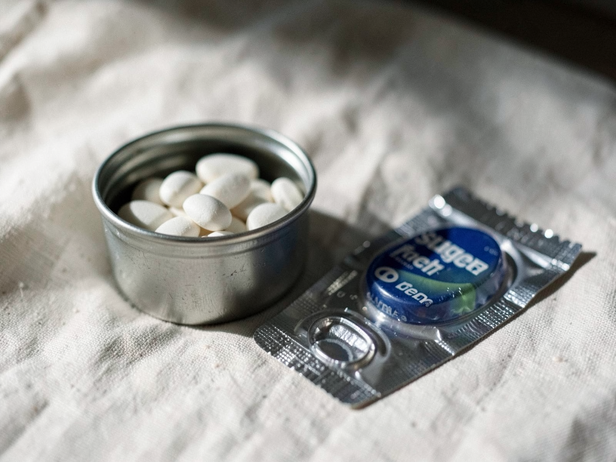
Sugar-free gum can be dangerous for dogs. Always keep such products out of reach.
Which products carry xylitol and how much is dangerous
Sugar-free chewing gum is the most common source, and concentrations vary considerably between brands. A single piece of some gums contains enough xylitol to cause hypoglycaemia in a small dog. Breath mints and sugar-free sweets often carry similar concentrations. Certain brands of peanut butter, marketed as low-sugar or natural, have added xylitol; this matters because peanut butter is commonly used to give dogs medication or as a treat. Chewable children's vitamins, some melatonin supplements, and flavoured liquid medications may also contain it. The ingredient will appear on the label as xylitol, or sometimes as birch sugar or birch xylitol. There is no dose that is considered safe for dogs. Even a small amount relative to body weight carries real risk, and a small-breed dog faces greater danger from the same quantity than a large one.
Signs that a dog has ingested xylitol
Early signs of xylitol poisoning typically appear within thirty minutes to an hour and include sudden weakness or unsteadiness, vomiting, lethargy, and trembling. As blood glucose continues to fall, a dog may have difficulty standing, seem confused or unresponsive, or lose consciousness. Seizures are possible. If liver involvement develops, jaundice, a yellowing of the gums or whites of the eyes, may appear in the days that follow. Not every dog will show every sign, and some dogs appear relatively normal in the early window before deteriorating quickly. The absence of immediate symptoms is not reassurance.
![Peanut Butter Still Life]()
Peanut Butter Still Life
Image credit : AI
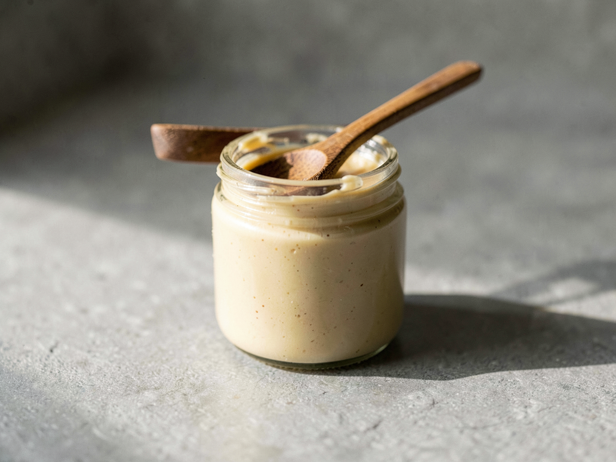
This jar of peanut butter, with its true-to-life texture, reminds me of the importance of checking ingredients, especially for xylitol dog emergencies.
What to do if your dog gets into a xylitol product
This is a veterinary emergency. Do not wait to see whether symptoms develop. Do not attempt to induce vomiting at home unless a vet or a veterinary poison helpline has specifically told you to do so for this situation, inducing vomiting incorrectly carries its own risks. If you can, note the product name, the approximate quantity your dog may have eaten, and your dog's weight, and take the packaging with you. Move to a vet clinic immediately. If it is outside clinic hours, go to the nearest emergency veterinary facility. Time between ingestion and treatment is the variable that most affects outcome. A vet will assess blood glucose, may administer dextrose to stabilise it, and will monitor liver values over the following days.
Keeping xylitol out of reach
Sugar-free gum is the product most commonly involved in xylitol poisoning in dogs, and it tends to live in handbags, jacket pockets, car gloveboxes, and on bedside tables, all places a curious dog can access. Reading ingredient labels on any peanut butter before giving it to a dog takes ten seconds and removes one significant risk. The same check applies to any supplement or flavoured medication given to a dog that was not specifically formulated for veterinary use. Xylitol is appearing in more product categories over time as demand for low-sugar alternatives grows, so a product that was safe a year ago may have reformulated. The label check is not a one-time task.