
Struggling With Dirty Tanks? Here’s How to Keep Your Aquarium Clean
Kashish Pandey | Dec 29, 2025, 14:12 IST

aquarium
If your aquarium looks cloudy, smells odd, or needs cleaning again just days after you scrubbed it, you are not alone. Many fish keepers struggle to keep their aquarium clean despite good intentions. This guide explains how to keep your aquarium clean in a simple and realistic way. From feeding habits to water changes and algae control, you will learn practical steps that actually work. The goal is not a perfect tank but a healthy and happy one.
How to keep your aquarium clean is a question every fish lover asks at some point. A clean aquarium keeps fish healthy, water clear, and stress levels low for both you and your fish. Dirty tanks usually happen because of small daily mistakes, not because you are careless. The good news is that aquarium maintenance becomes easy once you understand what your tank really needs. With a few smart habits, keeping your aquarium clean can feel calm and enjoyable instead of frustrating.
![coral]() Your fish cannot escape dirty water. They live in it all day and night. When waste builds up, the water slowly turns toxic. Fish become stressed, lose color, stop eating, or fall sick.
Your fish cannot escape dirty water. They live in it all day and night. When waste builds up, the water slowly turns toxic. Fish become stressed, lose color, stop eating, or fall sick.
A clean aquarium helps fish breathe better, digest food properly, and stay active. It also makes your tank more enjoyable to watch. Clear water, healthy plants, and energetic fish are signs that your aquarium is balanced.
Why
![fish]() Most dirty tanks are not caused by neglect. They are caused by overdoing things.
Most dirty tanks are not caused by neglect. They are caused by overdoing things.
Overfeeding is the most common mistake. Extra food sinks, rots, and pollutes the water. Another issue is adding too many fish too quickly. Every fish produces waste, and the tank needs time to adjust.
Weak filters, skipping water changes, and too much light also contribute to cloudy water and algae growth. Once you fix these small habits, the tank starts to take care of itself.
Think of the filter as the heart of your aquarium. A good filter keeps water moving and removes waste before it becomes harmful.
Choose a filter that is slightly stronger than what your tank size recommends. Gentle water flow is better than weak circulation. Clean the filter regularly but never wash it under tap water. Use old tank water so the helpful bacteria stay alive.
A healthy filter means less cleaning for you and a happier home for your fish.
How Often Should You
![aquarium]() Cleaning does not mean emptying the tank. Fish need stability more than sparkling glass.
Cleaning does not mean emptying the tank. Fish need stability more than sparkling glass.
A weekly water change of 20 to 30 percent works well for most freshwater aquariums. Small tanks may need more frequent attention. Larger tanks are usually more forgiving.
If the water smells bad or looks cloudy, it is your tank asking for help. Listen early and cleaning stays easy.
![algae]() A little algae is part of a healthy aquarium. Thick green layers are not.
A little algae is part of a healthy aquarium. Thick green layers are not.
Limit lighting to 8 to 10 hours daily. Keep the tank away from direct sunlight. Feed fish carefully because extra nutrients feed algae too.
Live plants help a lot. So do algae eating fish and snails. Algae control works best when done slowly and naturally.
![underwater]() Live plants are quiet helpers. They absorb waste, release oxygen, and make water healthier.
Live plants are quiet helpers. They absorb waste, release oxygen, and make water healthier.
They also give fish places to hide and rest, which reduces stress. Plants like anubias, java fern, and amazon sword are easy to care for and perfect for beginners.
Healthy plants often mean fewer water problems and less algae.
![underwater]() Feed your fish only what they finish in a couple of minutes. More food does not mean happier fish.
Feed your fish only what they finish in a couple of minutes. More food does not mean happier fish.
Quality food matters. Cheap food breaks apart quickly and dirties the water. Learn what your fish species need and feed accordingly.
Skipping one feeding occasionally is safer than overfeeding every day.
Never change all the water at once. Never clean everything on the same day. Never use soap.
Avoid overcrowding your tank and rushing fish additions. Slow and steady always works better in aquariums.
Keeping your aquarium clean is not about working harder. It is about working smarter. When feeding, filtering, and water changes are balanced, the tank almost maintains itself. A clean aquarium rewards you with clear water, healthy fish, and peaceful moments watching life underwater. Once you find your rhythm, aquarium care becomes something you enjoy, not a chore.
Discover expert advice and the latest tips on pet care, training, health, and more. Stay updated with all things pets at Times Pets!
Frequently Asked Questions[FAQs]
Why a Clean Aquarium Matters More Than You Think
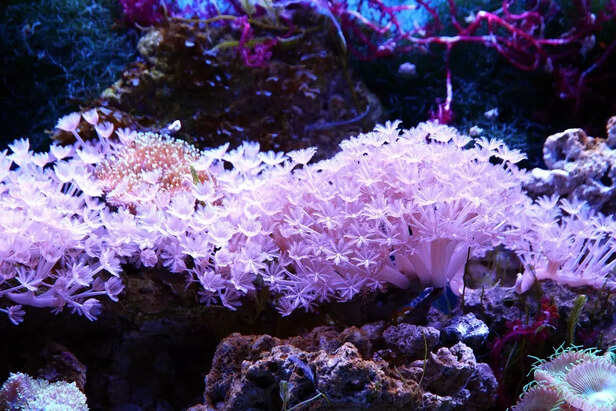
coral
Image credit : Pixabay
A clean aquarium helps fish breathe better, digest food properly, and stay active. It also makes your tank more enjoyable to watch. Clear water, healthy plants, and energetic fish are signs that your aquarium is balanced.
Why Aquariums Get Dirty So Quickly
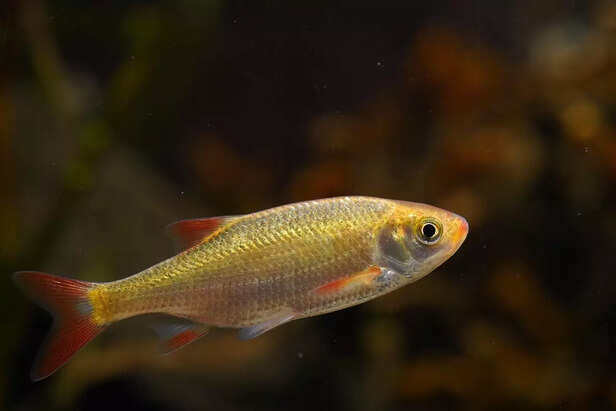
fish
Image credit : Pixabay
Overfeeding is the most common mistake. Extra food sinks, rots, and pollutes the water. Another issue is adding too many fish too quickly. Every fish produces waste, and the tank needs time to adjust.
Weak filters, skipping water changes, and too much light also contribute to cloudy water and algae growth. Once you fix these small habits, the tank starts to take care of itself.
Choosing the Right Filter Makes Life Easier
Choose a filter that is slightly stronger than what your tank size recommends. Gentle water flow is better than weak circulation. Clean the filter regularly but never wash it under tap water. Use old tank water so the helpful bacteria stay alive.
A healthy filter means less cleaning for you and a happier home for your fish.
How Often Should You Clean Your Aquarium
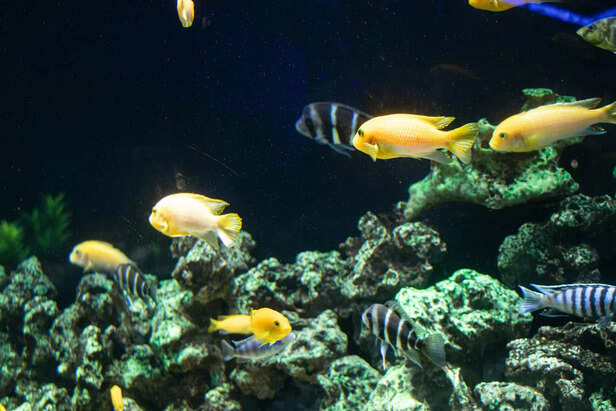
aquarium
Image credit : Pixabay
A weekly water change of 20 to 30 percent works well for most freshwater aquariums. Small tanks may need more frequent attention. Larger tanks are usually more forgiving.
If the water smells bad or looks cloudy, it is your tank asking for help. Listen early and cleaning stays easy.
Algae Is Normal but Too Much Is Not
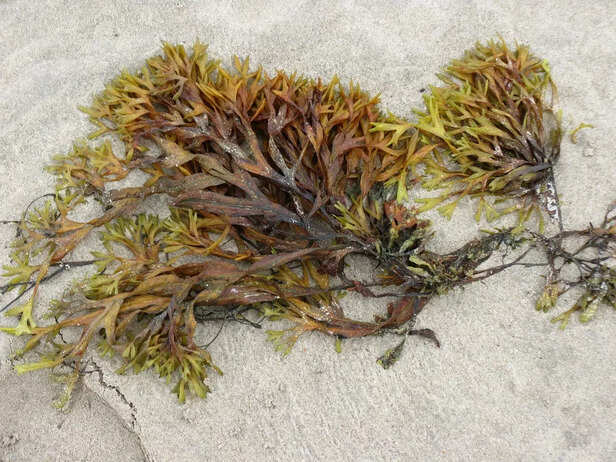
algae
Image credit : Pixabay
Limit lighting to 8 to 10 hours daily. Keep the tank away from direct sunlight. Feed fish carefully because extra nutrients feed algae too.
Live plants help a lot. So do algae eating fish and snails. Algae control works best when done slowly and naturally.
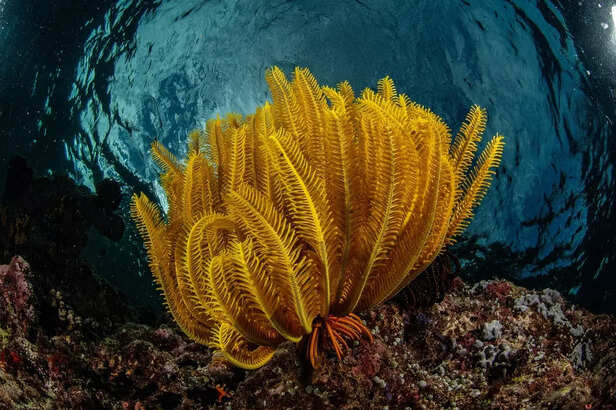
Live Plants Help Keep the Tank Clean
underwater
Image credit : Pixabay
They also give fish places to hide and rest, which reduces stress. Plants like anubias, java fern, and amazon sword are easy to care for and perfect for beginners.
Healthy plants often mean fewer water problems and less algae.
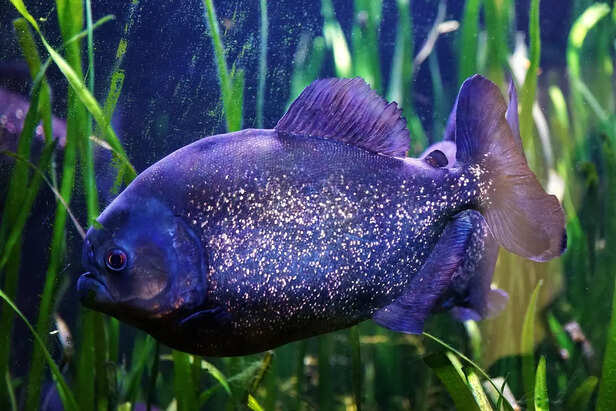
Feeding Smart Keeps Water Clean
underwater
Image credit : Pixabay
Quality food matters. Cheap food breaks apart quickly and dirties the water. Learn what your fish species need and feed accordingly.
Skipping one feeding occasionally is safer than overfeeding every day.
Common Cleaning Mistakes to Avoid
Avoid overcrowding your tank and rushing fish additions. Slow and steady always works better in aquariums.
Keeping your aquarium clean is not about working harder. It is about working smarter. When feeding, filtering, and water changes are balanced, the tank almost maintains itself. A clean aquarium rewards you with clear water, healthy fish, and peaceful moments watching life underwater. Once you find your rhythm, aquarium care becomes something you enjoy, not a chore.
Discover expert advice and the latest tips on pet care, training, health, and more. Stay updated with all things pets at Times Pets!
Frequently Asked Questions[FAQs]
- How often should I clean my aquarium?
Most freshwater aquariums need a partial water change once a week. Changing 20 to 30 percent of the water helps remove waste while keeping the tank stable. - Why does my aquarium get dirty so fast?
Overfeeding, too many fish, weak filtration, and too much light are the main reasons aquariums get dirty quickly. Fixing these habits usually solves the problem. - Can I clean my aquarium without removing fish?
Yes. Routine cleaning like water changes, gravel siphoning, and algae removal can be done without taking fish out. Removing fish can actually stress them. - Is algae bad for my aquarium?
Small amounts of algae are normal and harmless. Excessive algae growth means there is too much light or leftover nutrients in the tank.