
Stress-Free Cat Grooming: Essential Tips For Cats That Hate Baths
Anushka Tripathi | Mar 03, 2026, 16:30 IST

cat
Image credit : Pexels
Bathing a cat can be a stressful experience for both the cat and the owner, especially when your feline friend dislikes water. This guide provides practical and gentle tips to keep your cat clean, healthy, and happy without forcing baths. Learn how to use brushing, water-free shampoos, nail care, and positive reinforcement to maintain your cat’s hygiene. From managing matting and tangles to creating a calm grooming environment, these strategies ensure a stress-free routine that strengthens the bond between you and your cat while keeping your furry companion comfortable and well-cared-for.
Cats are naturally clean animals, spending a large part of their day grooming themselves. However, even the most fastidious feline sometimes needs extra care to maintain a healthy coat and skin. Bathing a cat can be stressful for both the cat and the owner, as most cats dislike water. This guide provides practical tips and strategies to keep your cat clean, healthy, and happy without forcing stressful baths. With patience, love, and the right techniques, grooming your cat can become a bonding experience that strengthens your relationship.
Understanding Why Cats Hate Baths
Cats are creatures of habit and highly sensitive to changes in their environment. Water can feel strange and overwhelming, triggering fear and stress. Some cats have had negative experiences with water in the past, which makes them even more resistant. Understanding that this reaction is natural helps owners approach grooming with empathy rather than frustration. Recognizing your cat’s signals of stress, such as flattened ears, tail flicking, or vocalizations, is the first step in creating a safe and calm grooming routine.
The Importance of Regular Grooming
pet
Image credit : Pexels
Even if your cat dislikes baths, grooming is essential for their health. Regular brushing removes loose fur, prevents hairballs, distributes natural oils across the coat, and helps detect skin problems early. Grooming also reduces shedding and keeps your home cleaner. For long-haired cats, regular grooming prevents tangles and matting, which can cause discomfort and skin infections. Understanding the importance of grooming motivates consistent care and reinforces the value of patience in maintaining a happy, healthy cat.
Brushing Techniques For Stress-Free Grooming
Brushing is often more effective than bathing for cats that dislike water. Use a brush suitable for your cat’s coat type, such as a slicker brush for long-haired cats or a rubber brush for short-haired breeds. Start by gently stroking your cat in areas they enjoy, like the back or sides, to build comfort. Gradually introduce brushing in sensitive areas, rewarding them with treats and praise. Short, frequent sessions work better than long, stressful ones, helping your cat associate grooming with positive experiences.
Using Water-Free Cleaning Solutions
For cats that hate baths, water-free grooming products can be a lifesaver. Dry shampoos, grooming wipes, or specially formulated sprays can clean the coat, remove odors, and reduce loose fur without using water. Apply these products according to instructions and follow with gentle brushing. Water-free solutions are particularly useful for older cats, kittens, or cats with health conditions that make traditional baths challenging. They provide cleanliness while minimizing stress and maintaining your cat’s natural grooming routine.
Creating a Calm Environment
A calm and quiet environment is crucial when grooming a cat that dislikes baths. Choose a comfortable location, away from loud noises or distractions. Keep towels, grooming tools, and products within reach to avoid sudden movements that might scare your cat. Speaking softly and maintaining slow movements can help reassure your cat during grooming. Over time, consistent exposure to a calm environment helps reduce anxiety and allows your cat to accept grooming as a normal and safe part of their routine.
Introducing Baths Gradually
cat
Image credit : Pexels
While some cats may never enjoy full baths, gentle and gradual introduction can help reduce fear. Start by letting your cat explore shallow water or wet surfaces on their own terms. Use a calm voice, and reward curiosity with treats or gentle strokes. Gradually progress to using a damp cloth for spot cleaning, and eventually a shallow bath with lukewarm water if necessary. Patience and positive reinforcement are key to helping your cat feel safe and reducing stress during bathing.
Proper Bathing Techniques
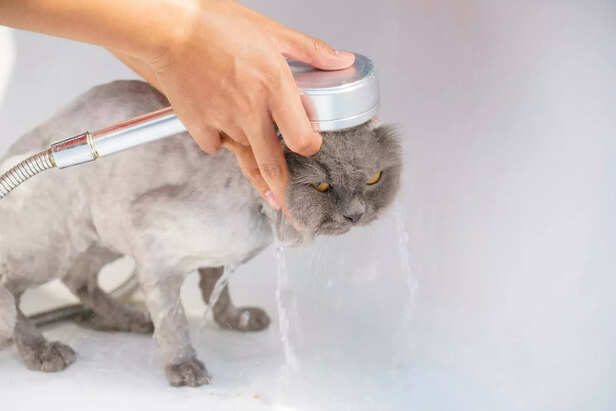
If you must bathe your cat, follow techniques that prioritize safety and comfort. Use lukewarm water and a non-slip mat to prevent slipping. Wet your cat slowly, starting from the paws and gradually moving to the body. Use a cat-safe shampoo and avoid the face and ears. Rinse thoroughly and gently towel dry. Keep sessions short and calm, speaking reassuringly throughout. After the bath, provide treats, playtime, or cuddles to reward your cat and reinforce positive associations.
Drying Your Cat Safely
Drying is an important part of bathing and can be stressful for cats. Most cats prefer towel drying over hair dryers, which can be loud and frightening. Pat the coat gently and avoid rubbing aggressively. For long-haired cats, use a soft brush during drying to prevent tangles. If using a hair dryer, ensure it is on a low, cool setting and introduce it gradually. The goal is to keep your cat comfortable while effectively removing moisture from the coat.
Nail Care And Paw Maintenance

cute cat
Image credit : Pexels
Grooming is not only about the coat but also includes nail and paw care. Regularly trim your cat’s claws to prevent overgrowth and accidental scratches. Use proper cat nail clippers and avoid cutting the quick. Gently massage the paws to familiarize your cat with handling, making future grooming easier. Clean between the paw pads with a damp cloth if necessary. Healthy nails and paws contribute to overall well-being and reduce furniture damage from scratching.
Dealing With Matting And Tangles
Long-haired cats are prone to matting, which can be painful and lead to skin problems. Regular brushing prevents tangles from forming. If mats occur, use a detangling comb or carefully cut them out with blunt-tipped scissors. Avoid pulling or yanking, as this can cause pain. For severe matting, consult a professional groomer or veterinarian. Addressing matting promptly ensures comfort and reduces stress during grooming sessions.
Ear, Eye, And Dental Care
Grooming also involves checking ears, eyes, and teeth. Clean ears gently with a damp cotton ball if needed and watch for signs of infection such as redness or odor. Wipe around the eyes to remove tear stains or discharge. Regular dental care, including brushing or dental treats, maintains oral health and prevents discomfort. Incorporating these steps into your grooming routine promotes overall health and strengthens the bond with your cat.
Making Grooming A Bonding Experience
Grooming can be an opportunity to build trust and connection with your cat. Speak softly, reward with treats, and provide gentle strokes throughout the session. Observe your cat’s reactions and adjust techniques to keep them comfortable. Over time, grooming becomes a positive experience rather than a stressful one. Cats begin to associate grooming with affection and care, strengthening your emotional bond and creating a happier, healthier pet.
When To Seek Professional Help
Some cats are extremely fearful or have special grooming needs. In these cases, professional groomers or veterinarians can provide safe and effective care. Professionals can handle baths, nail trimming, or de-matting with minimal stress for the cat. Seeking help when needed ensures your cat’s safety and maintains hygiene standards, while also teaching you techniques for future at-home care.
Grooming a cat that hates baths requires patience, understanding, and creativity. Using brushing, water-free products, gradual introductions, and positive reinforcement allows you to maintain a healthy coat and overall well-being without causing stress. Proper nail care, paw maintenance, and attention to ears, eyes, and teeth complete the grooming routine. By approaching grooming as a bonding experience, you create trust and comfort for your cat while keeping them clean and happy. With these tips, both you and your cat can enjoy a stress-free and loving grooming routine every day.
Celebrate the bond with your pets, explore Health & Nutrition, discover Breeds, master Training Tips, Behavior Decoder, and set out on exciting Travel Tails with Times Pets!