A cat that drinks more water than usual, skips a meal here and there, and seems a little thinner than last month is easy to dismiss. Cats are particular. They go through phases. But in a cat over eight or nine years old, those three changes together point toward one organ more than any other: the kidney.
Chronic kidney disease, sometimes called chronic renal failure or CRF, is among the most common conditions diagnosed in older cats. The kidney does not fail suddenly in most cases. It loses function gradually, over months or years, and by the time a cat shows obvious signs, a significant portion of working kidney tissue is already gone. That is the central problem with this disease: the signs that appear earliest are the ones most likely to be attributed to age, heat, or a cat just being a cat.
What the kidney does, and why cats are vulnerable
The kidney filters waste products from the blood, regulates water balance, and produces a hormone that signals the bone marrow to make red blood cells. In cats, the kidney also concentrates urine more aggressively than in most other mammals, which is a legacy of their desert ancestry. This efficiency is useful in the wild. In a domestic cat living for fifteen or eighteen years, it means the kidney is working hard throughout a long life, and the tissue that does that work does not regenerate when it is damaged.
When kidney cells die, from age, from a previous infection, from a bout of dehydration, from years of low-grade inflammation, the remaining cells compensate by working harder. For a while, blood tests look normal. The cat feels fine. This compensation phase can last years. It ends when the remaining tissue can no longer keep up, and waste products begin to accumulate in the blood. That accumulation is what produces the symptoms an owner notices.
Cats are particularly prone to this disease compared to dogs. The reasons are not fully understood, but diet, viral exposure, and the kidney's own architecture all appear to play a role. What is established is that the disease is common enough that many veterinary guidelines recommend screening bloodwork for cats from around age seven, not because disease is expected that early, but because catching the compensation phase before it ends changes what is possible.
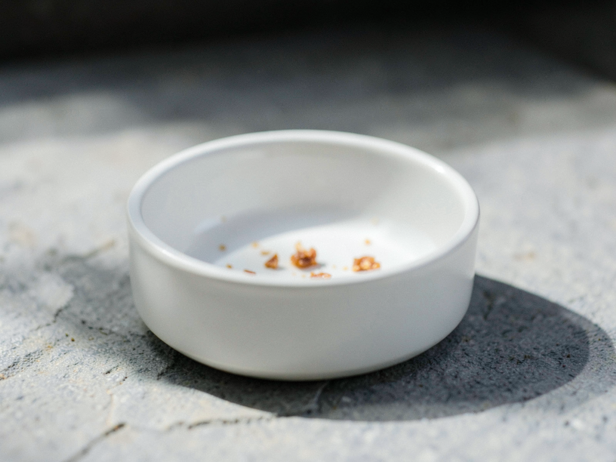
![Uneaten Cat Food Bowl]()
Uneaten Cat Food Bowl
Image credit : AI
A subtle reminder of appetite changes, perhaps an early sign of kidney failure in cats.
The early changes that are worth taking seriously
Increased thirst and urination are the earliest signs most owners notice, and they are easy to miss in a cat. A dog that starts drinking from every puddle is obvious. A cat that visits the water bowl a few more times a day is not. If your cat has started drinking from the tap, from a glass left on the table, or from places it previously ignored, that is worth noting. Increased urination follows: the litter box may need cleaning more often, or the clumps may be larger and more watery than usual.
Weight loss in an older cat is never simply age. Cats do not naturally slim down as they get older the way some people assume. A cat that has lost body mass over several months, felt along the spine, the hips, the base of the skull, has lost it for a reason. Kidney disease causes weight loss through reduced appetite, nausea from waste product accumulation, and the muscle wasting that follows poor protein metabolism.
Reduced appetite, or a preference for eating less at each meal, is another early sign. Some cats become choosier about food. Some stop finishing their bowl when they previously cleaned it. A cat that has started leaving food is not necessarily bored with its diet.
Coat quality changes. A cat that grooms less, or whose coat looks dull and slightly unkempt despite grooming, may be experiencing the low-grade nausea and fatigue that comes with early kidney disease. Lethargy is harder to read in cats, who sleep a great deal normally, but a cat that has become noticeably less interested in play, interaction, or its usual routines over several weeks is showing something.
Vomiting, especially in the morning or on an empty stomach, can be a sign of the nausea that builds as waste products accumulate. One episode is not a reason for alarm. A pattern of it, in a cat over eight, is.
What a vet looks for, and why early diagnosis matters
A vet assessing a cat for kidney disease will typically start with a blood panel and a urine test. The blood panel measures creatinine and urea, two waste products the kidney should be clearing. The urine test measures concentration: a healthy kidney produces concentrated urine; a failing kidney produces dilute urine as it loses the ability to hold water back.
A newer blood marker called SDMA, symmetric dimethylarginine, can detect kidney function loss earlier than creatinine alone, sometimes before the cat shows any symptoms at all. Not every clinic runs it as a matter of routine, but it is worth asking about, particularly in a cat over eight with any of the signs above.
Blood pressure is also measured, because kidney disease and high blood pressure reinforce each other in cats. High blood pressure damages the kidney further; a failing kidney raises blood pressure. Catching and managing one helps slow the other.
Early diagnosis matters because the disease is not curable, but its progression can be slowed. Dietary changes, specifically, a reduction in phosphorus, which the damaged kidney struggles to excrete, are the most evidence-supported intervention in early-stage disease. Keeping a cat well-hydrated, through wet food or other means, reduces the workload on remaining kidney tissue. These measures are most effective when started early, before the compensation phase ends.
A cat diagnosed in the early stages of kidney disease, managed well, can live comfortably for years. A cat diagnosed late, when waste products have already built up significantly, has fewer options and less time.
![Laboratory Vial and Sample Tube]()
Laboratory Vial and Sample Tube
Image credit : AI
Examining a sample, a crucial step in understanding cat drinking more water reasons and potential health concerns.
When to stop waiting and call the vet
Any cat over eight that shows two or more of the following for more than two weeks deserves a blood and urine check: drinking more than usual, urinating more, losing weight without a change in diet, vomiting on a pattern, or a coat that has become noticeably dull and unkempt. A single sign in isolation may have other explanations. A cluster of them in an older cat points clearly enough that waiting is not the cautious choice, it is the costly one.
A cat that stops eating entirely, becomes very weak, vomits repeatedly in a short period, or seems disoriented needs to see a vet the same day, not at the next available appointment. These signs suggest the disease has moved past its early stage and the cat is in distress.
Kidney disease in older cats does not announce itself. It arrives as small changes that each seem explainable on their own. The owner who knows what to look for, and takes those changes to a vet while they are still small, is the one who buys their cat more time.