
Signs Your Pet Might Have A Food Allergy
Payal Tandon | Apr 22, 2026, 12:44 IST

Sick Dog (Image Credit:Freepik)
Food allergies in pets are more common than many owners realize. They can show up through skin issues, digestion problems, or changes in behaviour. This article explains the key signs that your pet might have a food allergy and why these reactions happen. It also shares simple ways to manage the condition and improve your pet’s comfort and health.
Pets cannot tell us when something feels wrong, which makes it harder to understand their health problems. One issue that often goes unnoticed is food allergy. Many pet owners think itching or stomach upset is normal, but sometimes these signs are linked to what the pet is eating.
A food allergy happens when your pet’s body reacts negatively to certain ingredients. This reaction can affect their skin, digestion, and overall mood. The symptoms may start small but can become serious if ignored.
Dogs, cats, and even small pets can develop food allergies at any stage of life. It does not always happen immediately. Sometimes a pet can eat the same food for months before showing signs of a problem.
Understanding these signs early can help you take action and prevent discomfort. Let us explore how to identify food allergies and what you can do to help your pet.
One of the most common signs of a food allergy is related to the skin. Pets may start itching more than usual. You might notice them scratching, licking, or biting certain areas of their body.
Redness, rashes, or small bumps can also appear. In some cases, pets may lose patches of fur due to constant scratching. The ears can also be affected, leading to frequent ear infections or irritation.
These skin issues often confuse pet owners because they may look like simple infections or seasonal problems. But if the condition keeps coming back, food could be the reason.
The skin is often the first place where allergy symptoms appear. Paying attention to these changes can help you identify the problem early.
![Dog Feeling sick (Image Credit:Freepik)]()
Food allergies can also affect your pet’s digestive system. Symptoms may include vomiting, loose stools, or frequent stomach upset.
Some pets may show changes in their eating habits. They may lose interest in food or seem uncomfortable after eating. Gas and bloating can also occur.
These issues are often mistaken for temporary digestion problems. However, if they happen regularly, it could be a sign of food intolerance or allergy.
A healthy digestive system is important for your pet’s overall well being. Repeated stomach issues should not be ignored.
Sometimes, food allergies show up in ways that are not immediately obvious. Your pet’s behaviour may change.
A pet that feels uncomfortable may become restless or irritated. It may avoid playing or interacting like before. Some pets may also appear tired or less active.
These changes can happen because the body is dealing with constant discomfort. When a pet does not feel well, it affects both physical and emotional health.
Observing these changes can give you important clues about your pet’s condition.
![Restless Dog (Image Credit:Freepik)]()
Food allergies usually develop due to certain ingredients. Proteins are a common trigger. This includes items like chicken, beef, or dairy.
Grains and artificial additives can also cause reactions in some pets. Every animal is different, so the trigger may vary.
It is important to understand that not all reactions are immediate. Sometimes it takes time for symptoms to appear, which makes it harder to identify the cause.
Knowing what your pet eats daily can help you track possible triggers and make better choices.
Managing food allergies starts with identifying the problem. One common method is changing your pet’s diet and observing how they respond.
Switching to a simple diet with limited ingredients can help you understand what works best for your pet. Once the trigger is identified, avoiding it becomes easier.
Providing high quality and balanced food is important. Clean water and a proper feeding routine also support your pet’s health.
Regular check ups can help monitor your pet’s condition. If symptoms are severe, professional guidance may be needed.
The goal is to reduce discomfort and help your pet live a healthy life.
Ignoring food allergy signs can lead to bigger problems. Skin infections, weight loss, or long term health issues may develop.
Early action can prevent these complications. It also improves your pet’s comfort and quality of life.
When you respond quickly, your pet recovers faster and stays happier.
Food allergies in pets may not always be obvious, but they can affect your pet’s daily life. Signs like itching, digestion problems, and behaviour changes should not be ignored.
Understanding these symptoms helps you take the right steps at the right time. A proper diet, regular observation, and timely care can make a big difference.
Your pet depends on you to notice what it cannot express. By paying attention to small changes, you can ensure your pet stays healthy, comfortable, and happy.
Celebrate the bond with your pets, explore Health & Nutrition, discover Breeds, master Training Tips, Behavior Decoder, and set out on exciting Travel Tails with Times Pets!
A food allergy happens when your pet’s body reacts negatively to certain ingredients. This reaction can affect their skin, digestion, and overall mood. The symptoms may start small but can become serious if ignored.
Dogs, cats, and even small pets can develop food allergies at any stage of life. It does not always happen immediately. Sometimes a pet can eat the same food for months before showing signs of a problem.
Understanding these signs early can help you take action and prevent discomfort. Let us explore how to identify food allergies and what you can do to help your pet.
Skin Problems That Should Not Be Ignored
One of the most common signs of a food allergy is related to the skin. Pets may start itching more than usual. You might notice them scratching, licking, or biting certain areas of their body.
Redness, rashes, or small bumps can also appear. In some cases, pets may lose patches of fur due to constant scratching. The ears can also be affected, leading to frequent ear infections or irritation.
These skin issues often confuse pet owners because they may look like simple infections or seasonal problems. But if the condition keeps coming back, food could be the reason.
The skin is often the first place where allergy symptoms appear. Paying attention to these changes can help you identify the problem early.
Digestive Issues That Keep Returning

Dog Feeling sick (Image Credit:Freepik)
Food allergies can also affect your pet’s digestive system. Symptoms may include vomiting, loose stools, or frequent stomach upset.
Some pets may show changes in their eating habits. They may lose interest in food or seem uncomfortable after eating. Gas and bloating can also occur.
These issues are often mistaken for temporary digestion problems. However, if they happen regularly, it could be a sign of food intolerance or allergy.
A healthy digestive system is important for your pet’s overall well being. Repeated stomach issues should not be ignored.
Changes in Behaviour and Energy Levels
Sometimes, food allergies show up in ways that are not immediately obvious. Your pet’s behaviour may change.
A pet that feels uncomfortable may become restless or irritated. It may avoid playing or interacting like before. Some pets may also appear tired or less active.
These changes can happen because the body is dealing with constant discomfort. When a pet does not feel well, it affects both physical and emotional health.
Observing these changes can give you important clues about your pet’s condition.
Common Causes Behind Food Allergies
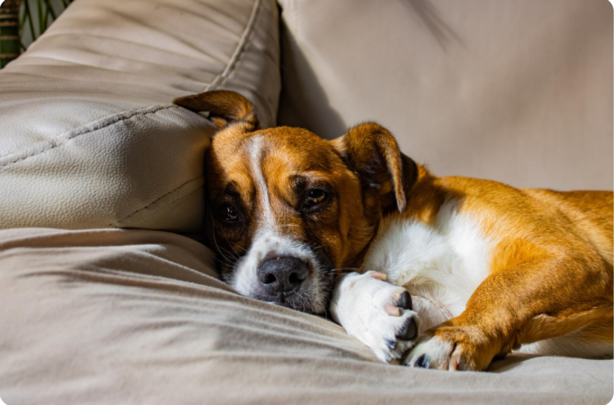
Restless Dog (Image Credit:Freepik)
Food allergies usually develop due to certain ingredients. Proteins are a common trigger. This includes items like chicken, beef, or dairy.
Grains and artificial additives can also cause reactions in some pets. Every animal is different, so the trigger may vary.
It is important to understand that not all reactions are immediate. Sometimes it takes time for symptoms to appear, which makes it harder to identify the cause.
Knowing what your pet eats daily can help you track possible triggers and make better choices.
How to Manage and Prevent Food Allergies
Managing food allergies starts with identifying the problem. One common method is changing your pet’s diet and observing how they respond.
Switching to a simple diet with limited ingredients can help you understand what works best for your pet. Once the trigger is identified, avoiding it becomes easier.
Providing high quality and balanced food is important. Clean water and a proper feeding routine also support your pet’s health.
Regular check ups can help monitor your pet’s condition. If symptoms are severe, professional guidance may be needed.
The goal is to reduce discomfort and help your pet live a healthy life.
Why Early Attention Makes a Difference
Ignoring food allergy signs can lead to bigger problems. Skin infections, weight loss, or long term health issues may develop.
Early action can prevent these complications. It also improves your pet’s comfort and quality of life.
When you respond quickly, your pet recovers faster and stays happier.
Food allergies in pets may not always be obvious, but they can affect your pet’s daily life. Signs like itching, digestion problems, and behaviour changes should not be ignored.
Understanding these symptoms helps you take the right steps at the right time. A proper diet, regular observation, and timely care can make a big difference.
Your pet depends on you to notice what it cannot express. By paying attention to small changes, you can ensure your pet stays healthy, comfortable, and happy.
Celebrate the bond with your pets, explore Health & Nutrition, discover Breeds, master Training Tips, Behavior Decoder, and set out on exciting Travel Tails with Times Pets!