
Signs your dog is trying to tell you something is wrong
Sept 09, 2026, 10:00 IST

Changes in dog appetite
Even subtle differences in the way your dog eats, sleeps, moves or interacts with you can sometimes be an early warning sign. Veterinarians say knowing what is normal for your dog is one of the best ways to spot when something may be wrong. Here are 10 signs worth paying attention to.
Dogs cannot tell us when they are in pain, feeling sick or simply not themselves. Instead, they communicate through changes in behaviour, appetite, energy and everyday habits, changes that can be easy to dismiss if they seem minor. Even subtle differences in the way your dog eats, sleeps, moves or interacts with you can sometimes be an early warning sign. Veterinarians say knowing what is normal for your dog is one of the best ways to spot when something may be wrong. Here are 10 signs worth paying attention to.
A dog that normally races around the house but suddenly spends the day lying down may be signalling more than tiredness. Persistent lethargy, reluctance to play or a lack of interest in walks can accompany illness or pain.
![changes in dog bathroom habits]() Skipping a meal occasionally may not be cause for panic. But a sustained loss of appetite, or a sudden increase in hunger, deserves attention. A dog’s age, breed and existing health conditions can all affect how concerning a change is.
Skipping a meal occasionally may not be cause for panic. But a sustained loss of appetite, or a sudden increase in hunger, deserves attention. A dog’s age, breed and existing health conditions can all affect how concerning a change is.
If you suddenly find yourself refilling the water bowl far more often, don’t automatically blame the weather. Persistent excessive thirst can be associated with conditions including kidney disease and diabetes.
Accidents in a previously house-trained dog can be an important clue. Changes in urination or bowel movements, straining, persistent diarrhoea, blood or unusually dark stools should not simply be written off as bad behaviour or a passing stomach upset.
![dog eye problems]() A dog that suddenly follows you everywhere may be trying to seek reassurance, while another may retreat and avoid interaction. Changes in normal social behaviour can sometimes accompany pain, illness, stress or other problems.
A dog that suddenly follows you everywhere may be trying to seek reassurance, while another may retreat and avoid interaction. Changes in normal social behaviour can sometimes accompany pain, illness, stress or other problems.
A normally gentle dog that suddenly growls, snaps or becomes unusually irritable should not immediately be labelled as badly behaved. Behavioural changes can sometimes be linked to pain or an underlying medical problem.
![when to take your dog to the vet]() Redness, cloudiness, unusual discharge, persistent squinting or pawing at the eyes can indicate an infection, injury or another eye problem. Because some eye conditions can progress quickly, unusual changes deserve veterinary attention.
Redness, cloudiness, unusual discharge, persistent squinting or pawing at the eyes can indicate an infection, injury or another eye problem. Because some eye conditions can progress quickly, unusual changes deserve veterinary attention.
Panting after exercise or in hot weather is normal. But heavy or persistent panting when your dog is resting can be a warning sign, particularly when accompanied by weakness, vomiting, diarrhoea, abnormal gum colour or collapse.
One isolated episode of vomiting does not necessarily mean an emergency, particularly if the dog quickly returns to normal. Repeated vomiting, vomiting blood, or vomiting accompanied by lethargy, diarrhoea or loss of appetite is much more concerning and warrants prompt veterinary advice.
Sometimes there is no dramatic symptom. Your dog may just seem quieter, less playful, less responsive or somehow unlike themselves. That subtle shift can matter because dogs are known to hide signs of pain and illness. If your instinct tells you something has changed, it is worth paying attention.
Some signs should never be watched at home to see whether they improve. Difficulty breathing, collapse, seizures, severe pain, inability to stand, uncontrolled bleeding, a swollen or hard abdomen, repeated vomiting or suspected poisoning require immediate veterinary attention.
They suddenly become unusually quiet
Their appetite changes
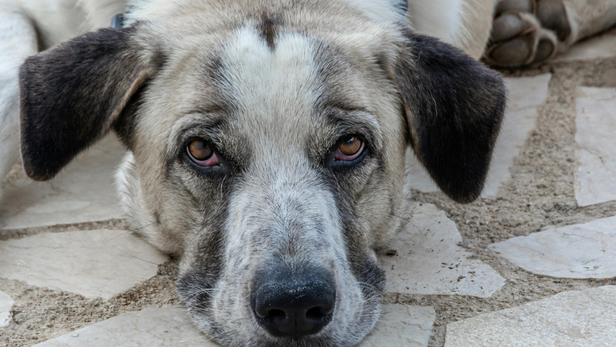
changes in dog bathroom habits
They start drinking much more water
Their bathroom habits change
They suddenly become clingy, or withdraw
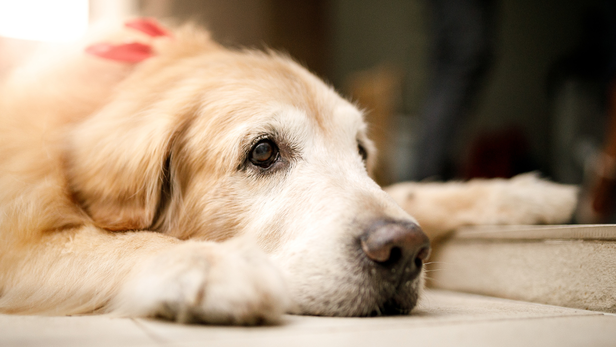
dog eye problems
They begin growling or behaving aggressively
Their eyes look different
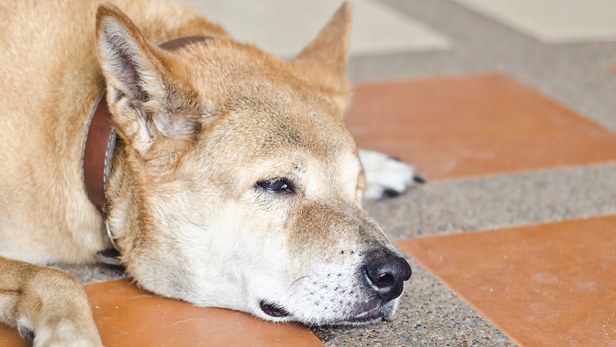
when to take your dog to the vet