
Seasonal Nutrition: Adjusting Your Pet’s Diet Throughout the Summer
Upasna Yadav | Apr 18, 2026, 08:55 IST

Dog Staying Hydrated in Summer
Image credit : Pexels
Seasonal changes, especially during summer, have a direct impact on your pet’s dietary needs and overall health. This article explores how rising temperatures influence appetite, metabolism, and hydration levels in pets. It highlights the importance of providing a balanced yet light diet, ensuring proper hydration, and incorporating cooling foods to maintain well-being. With practical feeding strategies, storage tips, and species-specific guidance, pet owners can effectively adapt their pet’s diet to keep them healthy, energetic, and safe throughout the summer season.
Highlights
1. Summer heat significantly affects pets’ appetite and metabolism. Hydration is the most crucial factor in maintaining pet health. Light, easily digestible meals improve comfort and digestion.
2. Feeding during cooler hours enhances appetite and nutrient absorption. Fresh, water-rich foods help regulate body temperature.
3. Proper food storage prevents spoilage and digestive issues. Diet adjustments should match your pet’s activity level. Early signs of heat stress can be detected through eating behavior.
2. Feeding during cooler hours enhances appetite and nutrient absorption. Fresh, water-rich foods help regulate body temperature.
3. Proper food storage prevents spoilage and digestive issues. Diet adjustments should match your pet’s activity level. Early signs of heat stress can be detected through eating behavior.
Why Summer Nutrition Matters for Pets ?
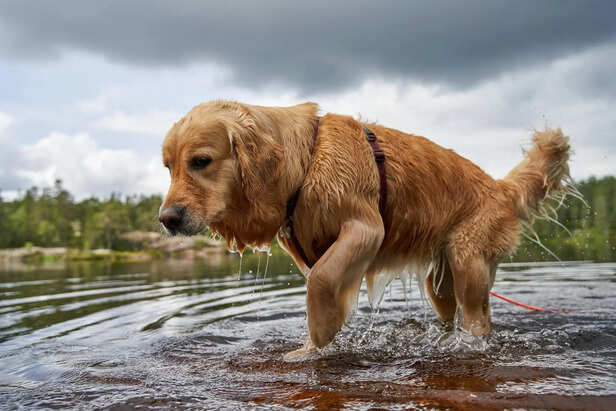
Pet Relaxing with Proper Summer Care
Image credit : Pexels
Summer heat can affect pets in multiple ways:
- Reduced appetite due to high temperatures
- Increased risk of dehydration
- Faster spoilage of food
- Higher chances of heatstroke
Hydration: The Top Priority
Water is the most essential component of your pet’s summer diet. Proper hydration supports digestion, regulates body temperature, and prevents urinary issues.
- Always provide fresh, clean water throughout the day
- Place multiple water bowls around your home
- Add water or broth to dry food
Adjusting Meal Portions and Timing
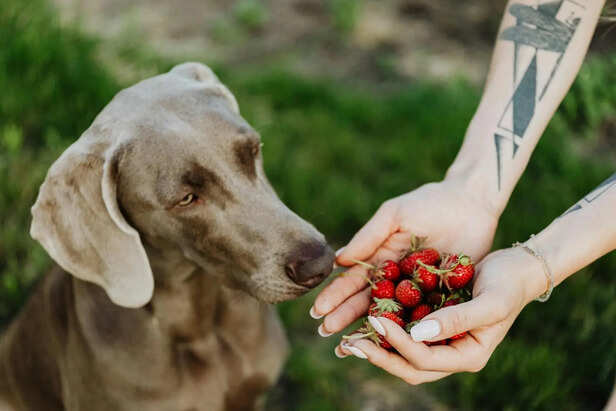
Cooling Fruits Safe for Pets
Image credit : Pexels
During summer, pets tend to eat less. This is normal, but their nutritional needs must still be met.
Smart Feeding Practices:
- Offer smaller, more frequent meals
- Feed during cooler times (early morning or late evening)
- Avoid leaving food out for long periods to prevent spoilage
Importance of Feeding Timing in Hot Weather
The timing of meals plays a significant role in digestion during summer. Feeding pets during the hottest parts of the day can reduce their appetite and lead to food wastage. Offering meals early in the morning or later in the evening, when temperatures are cooler, encourages better eating habits and improves digestion. This simple adjustment can make a noticeable difference in your pet’s comfort.
Incorporating Seasonal Fresh Foods Safely
Summer offers a variety of fresh, water-rich foods that can benefit pets when given in moderation. Vegetables like cucumber and fruits like watermelon can provide hydration and essential nutrients. However, it is important to introduce these foods gradually and ensure they are safe for your specific pet. Avoid seeds, excess sugar, and any toxic foods.
Managing Food Storage and Freshness
Heat can quickly spoil pet food, leading to bacterial growth and potential health risks. Dry food should be stored in airtight containers in a cool place, while wet food should not be left out for extended periods. Maintaining proper food hygiene during summer is essential to prevent digestive issues and foodborne illnesses.
Supporting Digestive Health in Summer

Nutritious Summer Meal for Pets
Image credit : Pexels
Pets often experience digestive sensitivity during hot weather. Feeding easily digestible foods such as boiled rice, lean meats, and simple diets can help maintain gut health. Including probiotics or natural sources like plain yogurt (if suitable for your pet) can further support digestion and improve nutrient absorption. Pets are generally less active during summer due to heat, which means their calorie requirements may decrease. Active pets may still require higher energy intake, but indoor or less active pets need lighter meals to prevent weight gain. Observing your pet’s activity level and adjusting their diet accordingly ensures they remain fit and healthy.
Celebrate the bond with your pets, explore Health & Nutrition, discover Breeds, master Training Tips, Behavior Decoder, and set out on exciting Travel Tails with Times Pets!
Frequently asked questions (FAQs)
- Why is it important to adjust my pet’s diet during summer?
Summer heat affects your pet’s metabolism, appetite, and hydration levels. Adjusting their diet helps prevent dehydration, heat stress, and digestive issues while keeping them active and healthy. - Should I feed my pet less during hot weather?
Pets may naturally eat less in summer, but instead of reducing nutrition, you should offer smaller, more frequent meals that are light and easy to digest. - Can I give my pet cold or chilled food during summer?
Yes, slightly cool food is fine and can be refreshing, but avoid extremely cold food as it may upset your pet’s digestion. - Is wet food better than dry food in summer?
Wet food is often better in summer because it contains higher moisture content, which helps keep pets hydrated, especially those that don’t drink enough water.