
Pug Health Secrets Every Indian Owner Must Know
Ashna Khare | Jul 03, 2025, 08:00 IST

Pug Health Secrets Every Indian Owner Must Know
Image credit : Freepik
Pugs are adorable and loving pets, but they come with health risks that owners should not ignore. From breathing troubles to skin infections, knowing these common issues helps you keep your pug happy and healthy. This guide explains the top health problems in Indian pugs and gives practical tips to manage them with ease.
Pugs have captured the hearts of dog lovers across India. Their cute wrinkled faces, big round eyes, and loving personalities make them one of the most popular small dog breeds in the country. Whether you live in a city apartment or a large house, pugs can fit perfectly into your home and family. But as much as they bring joy, it is important to understand that pugs have special health needs.
Their unique appearance, especially their flat face and compact body, makes them prone to certain health issues. If you own a pug or are thinking of getting one, learning about these common problems and how to manage them will help your pet live a longer, happier, and healthier life. This article covers the main health challenges pugs face in India and gives you simple, effective tips to care for them.
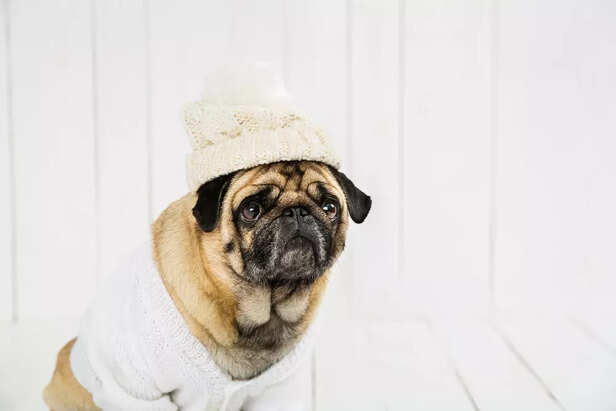
![Common Breathing Problems in Indian Pugs]() One of the most well-known health issues in pugs is breathing trouble. Because of their flat face, or what experts call a brachycephalic skull, pugs often have narrow nostrils and a long soft palate that can block airflow. This condition is called brachycephalic obstructive airway syndrome (BOAS).
One of the most well-known health issues in pugs is breathing trouble. Because of their flat face, or what experts call a brachycephalic skull, pugs often have narrow nostrils and a long soft palate that can block airflow. This condition is called brachycephalic obstructive airway syndrome (BOAS).
In India’s hot and humid climate, this issue can become more serious. You might notice your pug snoring loudly, breathing noisily, or getting tired quickly after play. Sometimes, they may struggle to cool down, since dogs regulate their body temperature through panting. In extreme cases, a pug can overheat or even collapse from lack of oxygen.
Here is how you can help manage this problem:
![Skin Problems and How to Prevent Them]() Pugs are famous for their adorable face wrinkles, but those folds can trap moisture, dirt, and food, leading to skin infections. In India’s humid climate, this risk increases because moisture stays longer in those folds. You may notice a bad smell, redness, or your pug scratching at its face if an infection starts.
Pugs are famous for their adorable face wrinkles, but those folds can trap moisture, dirt, and food, leading to skin infections. In India’s humid climate, this risk increases because moisture stays longer in those folds. You may notice a bad smell, redness, or your pug scratching at its face if an infection starts.
Another common issue is skin allergies. Pugs often develop itchy, flaky skin due to food sensitivities or reactions to their surroundings. You might see hair loss in patches or constant scratching that can damage the skin further.
To protect your pug’s skin:
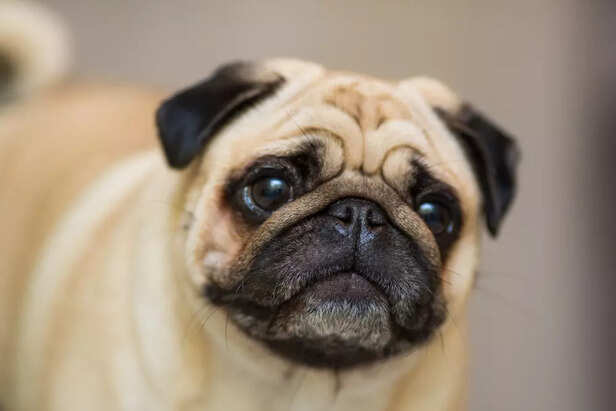
![Eye Conditions in Pugs]() Pugs’ big, expressive eyes are part of what makes them so charming. But their eye shape also makes them prone to problems. Since their eyes are more exposed, they can easily get injured or infected. Dust, dirt, or a small scratch can quickly lead to bigger issues like ulcers or infections.
Pugs’ big, expressive eyes are part of what makes them so charming. But their eye shape also makes them prone to problems. Since their eyes are more exposed, they can easily get injured or infected. Dust, dirt, or a small scratch can quickly lead to bigger issues like ulcers or infections.
One common problem is dry eye, where the eyes do not produce enough tears. This makes the eyes feel itchy and dry, leading to redness or discharge. Pugs can also suffer from entropion, where the eyelid rolls inward, causing the lashes to rub against the eye.
To protect your pug’s eyes:
Pugs love to eat, and they are experts at begging for treats. But extra weight can lead to serious health issues like joint pain, arthritis, and heart problems. An overweight pug struggles even more with breathing and is at higher risk for diabetes and other diseases.
Joint issues are common, especially in older pugs or those carrying extra weight. Hip dysplasia and luxating patella (where the kneecap slips out of place) are two conditions seen often in pugs. These can cause limping, pain, or difficulty standing up after rest.
How to manage weight and joint health:
Owning a pug in India comes with special joys and challenges. Their sweet nature and funny personality make them wonderful companions, but their health needs require attention and care. By learning about common health problems and how to manage them, you can give your pug the best possible life.
Focus on keeping your pug at a healthy weight, caring for its skin and eyes, and watching for signs of breathing trouble. Regular vet visits, a balanced diet, and daily care will help your pug stay happy and healthy for years to come. Remember, a little extra care every day can prevent bigger health problems in the future and keep that curly-tailed friend by your side.
Discover expert advice and the latest tips on pet care, training, health, and more. Stay updated with all things pets at Times Pets!
Frequently Asked Questions (FAQs)
Their unique appearance, especially their flat face and compact body, makes them prone to certain health issues. If you own a pug or are thinking of getting one, learning about these common problems and how to manage them will help your pet live a longer, happier, and healthier life. This article covers the main health challenges pugs face in India and gives you simple, effective tips to care for them.
Common Breathing Problems in Indian Pugs

Common Breathing Problems in Indian Pugs
Image credit : Freepik
In India’s hot and humid climate, this issue can become more serious. You might notice your pug snoring loudly, breathing noisily, or getting tired quickly after play. Sometimes, they may struggle to cool down, since dogs regulate their body temperature through panting. In extreme cases, a pug can overheat or even collapse from lack of oxygen.
Here is how you can help manage this problem:
- Keep your pug cool: Avoid outdoor walks during the hottest parts of the day. Early mornings or late evenings are better.
- Maintain a healthy weight: Overweight pugs have an even harder time breathing. Feed measured portions and limit treats.
- Avoid over-excitement: Too much running or playing, especially in warm weather, can make breathing harder.
- Visit your vet: If your pug struggles to breathe or collapses, it may need surgery to widen its nostrils or shorten its soft palate.
Skin Problems and How to Prevent Them
Skin Problems and How to Prevent Them
Image credit : Freepik
Another common issue is skin allergies. Pugs often develop itchy, flaky skin due to food sensitivities or reactions to their surroundings. You might see hair loss in patches or constant scratching that can damage the skin further.
To protect your pug’s skin:
- Clean the wrinkles daily: Use a soft cloth or pet-safe wipe to gently clean between the folds. Dry the area well after cleaning.
- Bathe your pug properly: A gentle, hypoallergenic shampoo works best. Do not bathe too often, as this can dry out the skin.
- Watch for allergy triggers: Some pugs react to certain foods, shampoos, or even household cleaners. If you notice a reaction, try to remove the cause.
- Regular vet check-ups: If you see redness, sores, or constant scratching, consult your vet for advice.
Eye Conditions in Pugs
Eye Conditions in Pugs
Image credit : Freepik
One common problem is dry eye, where the eyes do not produce enough tears. This makes the eyes feel itchy and dry, leading to redness or discharge. Pugs can also suffer from entropion, where the eyelid rolls inward, causing the lashes to rub against the eye.
To protect your pug’s eyes:
- Check the eyes daily: Look for redness, swelling, or unusual discharge.
- Clean gently: Use a damp cotton ball to wipe away dirt or crusts from around the eye.
- Limit exposure to dust: When out for a walk, keep your pug away from dusty or sandy areas.
- See the vet quickly: If your pug squints, keeps an eye closed, or rubs at it constantly, seek medical help. Eye problems can worsen fast.
Managing Obesity and Joint Issues
Joint issues are common, especially in older pugs or those carrying extra weight. Hip dysplasia and luxating patella (where the kneecap slips out of place) are two conditions seen often in pugs. These can cause limping, pain, or difficulty standing up after rest.
How to manage weight and joint health:
- Feed balanced meals: Choose high-quality dog food that suits your pug’s age and activity level. Avoid overfeeding and limit table scraps.
- Give healthy treats: Small bits of carrot or cucumber make better snacks than biscuits or fried foods.
- Exercise gently but regularly: Short, daily walks and playtime help keep weight under control.
- Provide soft bedding: A good bed supports your pug’s joints and keeps it comfortable.
- Ask your vet about supplements: Some pugs benefit from joint-supporting supplements like glucosamine.
Owning a pug in India comes with special joys and challenges. Their sweet nature and funny personality make them wonderful companions, but their health needs require attention and care. By learning about common health problems and how to manage them, you can give your pug the best possible life.
Focus on keeping your pug at a healthy weight, caring for its skin and eyes, and watching for signs of breathing trouble. Regular vet visits, a balanced diet, and daily care will help your pug stay happy and healthy for years to come. Remember, a little extra care every day can prevent bigger health problems in the future and keep that curly-tailed friend by your side.
Discover expert advice and the latest tips on pet care, training, health, and more. Stay updated with all things pets at Times Pets!
Frequently Asked Questions (FAQs)
- Why do pugs have breathing problems?
Pugs have flat faces that make it harder for them to breathe easily. - How can I keep my pug’s skin healthy?
Clean and dry your pug’s skin folds daily to avoid infections. - Are pugs in India at higher risk for overheating?
Yes, India’s warm climate can make overheating more common in pugs. - What is the best way to manage a pug’s weight?
Feed balanced meals and give regular gentle exercise. - How do I protect my pug’s eyes?
Check and clean around the eyes daily and keep them away from dust.