
Poisonous Foods for Pets You Must Avoid
Sonam Singh | TimesPets Bureau | Apr 13, 2026, 11:58 IST

Poisonous Foods for Pets You Must Avoid
Image credit : Pexels
Many everyday foods that are safe for humans can be extremely toxic to pets. Pet owners often unknowingly feed harmful items that can lead to serious health issues or even life threatening conditions. Understanding which foods are dangerous is essential for preventing accidental poisoning. This article explores the most common toxic foods for pets, explains their harmful effects, and provides guidance on keeping your pet safe through proper awareness, prevention, and responsible feeding habits at home.
Pets depend entirely on their owners for food and care, which makes it crucial to understand what is safe and what is not. While sharing food with pets may seem harmless or even loving, certain human foods can be toxic to animals. Even small quantities of these foods can cause severe reactions, ranging from digestive issues to organ failure. By being aware of harmful foods and avoiding them, pet owners can protect their furry companions and ensure a healthy and safe environment.
Chocolate, Caffeine, and Sugary Foods
Chocolate is one of the most well known toxic foods for pets, especially dogs. It contains substances like theobromine and caffeine, which pets cannot metabolize effectively. Consumption can lead to symptoms such as vomiting, diarrhea, rapid heart rate, tremors, and seizures. Dark chocolate is particularly dangerous due to its higher concentration of these compounds. Caffeinated products like coffee, tea, and energy drinks are equally harmful and can overstimulate a pet’s nervous system. Sugary foods, especially those containing artificial sweeteners like xylitol, can cause a rapid drop in blood sugar levels, leading to weakness, seizures, and even liver failure. Avoid giving pets any sweets or caffeinated items under all circumstances.
Onions, Garlic, and Other Allium Foods
![Onions, Garlic, and Other Allium Foods]()
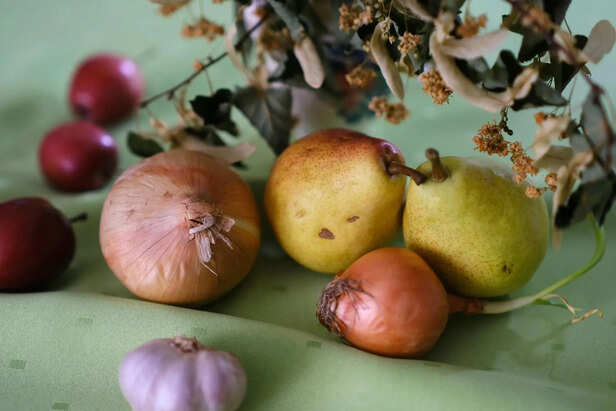
Onions, garlic, leeks, and chives belong to the allium family and are highly toxic to pets. These foods can damage red blood cells, leading to anemia. The effects may not appear immediately, which makes them even more dangerous. Symptoms include weakness, lethargy, pale gums, and decreased appetite. Both raw and cooked forms are harmful, and even small amounts over time can accumulate and cause serious health issues. Pet owners should be cautious about feeding leftovers or foods seasoned with these ingredients, as they are commonly used in many dishes.
Grapes, Raisins, and Alcoholic Substances
![Grapes, Raisins, and Alcoholic Substances]()
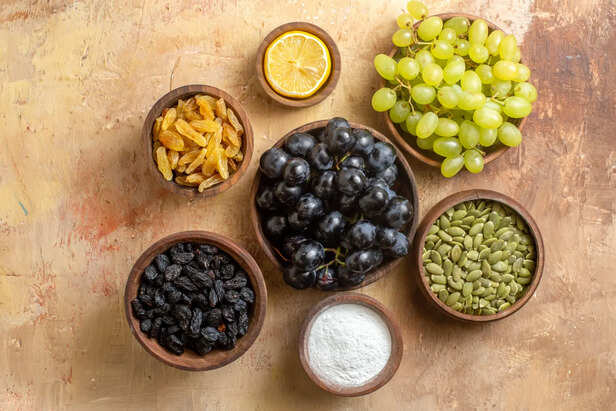
Grapes and raisins are extremely toxic to pets and can cause sudden kidney failure, even in small amounts. The exact substance responsible is unknown, but the effects can be severe and rapid. Signs of poisoning include vomiting, loss of appetite, abdominal pain, and decreased urination. Alcohol, even in tiny quantities, is dangerous for pets. It can affect the central nervous system, leading to confusion, breathing difficulties, tremors, and coma. Foods containing alcohol, such as certain desserts or fermented products, should always be kept out of reach. Immediate veterinary care is necessary if a pet consumes any of these substances.
Dairy Products, Bones, and Fatty Foods
![Dairy Products, Bones, and Fatty Foods]()
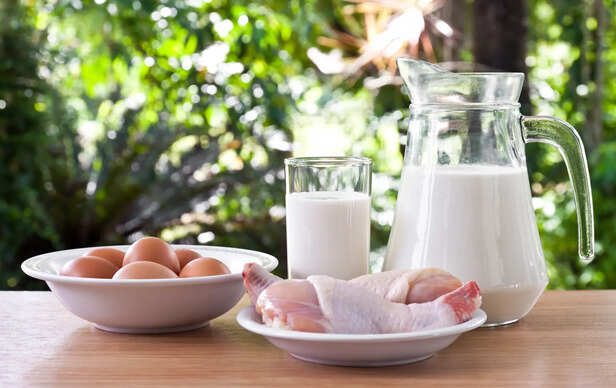
While some pets may tolerate small amounts of dairy, many are lactose intolerant. Milk, cheese, and other dairy products can cause digestive upset, including diarrhea and stomach pain. Cooked bones are another common hazard. They can splinter easily, causing choking, internal injuries, or blockages in the digestive tract. Fatty foods, including fried or greasy leftovers, can lead to pancreatitis a serious and painful condition. Symptoms include vomiting, abdominal pain, and lethargy. It is always best to stick to a balanced, pet-specific diet and avoid feeding table scraps that may harm your pet’s health.
Being aware of poisonous foods is one of the most important responsibilities of a pet owner. Foods like chocolate, onions, grapes, alcohol, and fatty leftovers can cause serious harm, even in small amounts. Prevention is always better than treatment, so keeping these items out of your pet’s reach is essential. By understanding the risks and making informed choices, you can create a safe environment and ensure your pet lives a healthy, happy, and long life.
Chocolate, Caffeine, and Sugary Foods
Chocolate is one of the most well known toxic foods for pets, especially dogs. It contains substances like theobromine and caffeine, which pets cannot metabolize effectively. Consumption can lead to symptoms such as vomiting, diarrhea, rapid heart rate, tremors, and seizures. Dark chocolate is particularly dangerous due to its higher concentration of these compounds. Caffeinated products like coffee, tea, and energy drinks are equally harmful and can overstimulate a pet’s nervous system. Sugary foods, especially those containing artificial sweeteners like xylitol, can cause a rapid drop in blood sugar levels, leading to weakness, seizures, and even liver failure. Avoid giving pets any sweets or caffeinated items under all circumstances.
Onions, Garlic, and Other Allium Foods
Onions, Garlic, and Other Allium Foods
Image credit : Pexels
Onions, garlic, leeks, and chives belong to the allium family and are highly toxic to pets. These foods can damage red blood cells, leading to anemia. The effects may not appear immediately, which makes them even more dangerous. Symptoms include weakness, lethargy, pale gums, and decreased appetite. Both raw and cooked forms are harmful, and even small amounts over time can accumulate and cause serious health issues. Pet owners should be cautious about feeding leftovers or foods seasoned with these ingredients, as they are commonly used in many dishes.
Grapes, Raisins, and Alcoholic Substances
Grapes, Raisins, and Alcoholic Substances
Image credit : Pexels
Grapes and raisins are extremely toxic to pets and can cause sudden kidney failure, even in small amounts. The exact substance responsible is unknown, but the effects can be severe and rapid. Signs of poisoning include vomiting, loss of appetite, abdominal pain, and decreased urination. Alcohol, even in tiny quantities, is dangerous for pets. It can affect the central nervous system, leading to confusion, breathing difficulties, tremors, and coma. Foods containing alcohol, such as certain desserts or fermented products, should always be kept out of reach. Immediate veterinary care is necessary if a pet consumes any of these substances.
Dairy Products, Bones, and Fatty Foods
Dairy Products, Bones, and Fatty Foods
Image credit : Pexels
While some pets may tolerate small amounts of dairy, many are lactose intolerant. Milk, cheese, and other dairy products can cause digestive upset, including diarrhea and stomach pain. Cooked bones are another common hazard. They can splinter easily, causing choking, internal injuries, or blockages in the digestive tract. Fatty foods, including fried or greasy leftovers, can lead to pancreatitis a serious and painful condition. Symptoms include vomiting, abdominal pain, and lethargy. It is always best to stick to a balanced, pet-specific diet and avoid feeding table scraps that may harm your pet’s health.
Being aware of poisonous foods is one of the most important responsibilities of a pet owner. Foods like chocolate, onions, grapes, alcohol, and fatty leftovers can cause serious harm, even in small amounts. Prevention is always better than treatment, so keeping these items out of your pet’s reach is essential. By understanding the risks and making informed choices, you can create a safe environment and ensure your pet lives a healthy, happy, and long life.