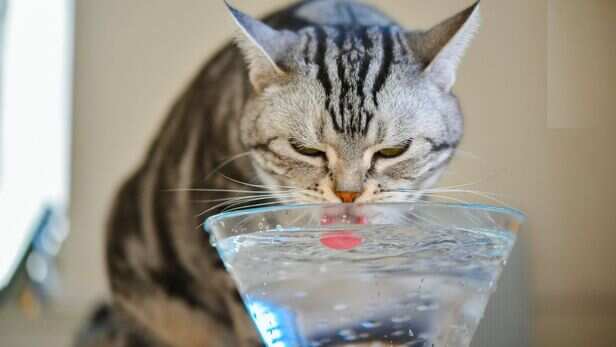
When temperatures drop, pet parents may notice their dogs and cats spending more time curled up in warm corners and less time being active. Some pets may also seem less interested in drinking water. While this does not automatically mean they are dehydrated, changes in drinking habits deserve attention, especially when pets rely mainly on dry food for their nutrition.
Water is essential for digestion, circulation, temperature regulation and the normal functioning of organs. According to the
Cornell University College of Veterinary Medicine, cats obtain water both by drinking and through their food. Pets can become dehydrated when their water intake falls or when they lose more fluids than usual. Vomiting, diarrhoea and certain health conditions can increase this risk. Although winter does not necessarily reduce every pet’s water needs, changes in activity, diet and daily routines can affect how much they drink. Here is how pet parents can help their furry companions stay hydrated during the colder months.
Why winter hydration deserves attention
Dogs and cats do not always show their hydration needs in the same way. Cats, in particular, may not drink frequently enough to catch their owners’ attention. Their natural tendency to obtain moisture through food also means that cats eating dry kibble depend more heavily on their drinking water than those eating moisture-rich meals. The
Merck Veterinary Manual explains that water requirements vary according to an animal’s diet, activity, environment and health. Wet pet food contains considerably more moisture than dry food, so pets eating wet diets generally need to drink less directly from their bowls.
A study published in 2026 and available through
PubMed compared water consumption in cats eating dry, wet and mixed diets. Researchers found that cats eating wet food consumed more total water, even though they drank less from their bowls. This highlights why pet parents should consider water obtained through food rather than judging hydration only by how often their animals visit the water bowl. Dehydration can lead to weakness, reduced appetite and dry or sticky gums. More serious cases may cause sunken eyes and require urgent veterinary treatment. Older pets and animals with kidney disease, diabetes, vomiting or diarrhoea may need particular attention.
Simple ways to encourage pets to drink more water
![Simple ways to encourage pets to drink more water]()
Simple ways to encourage pets to drink more water
Keeping fresh drinking water accessible throughout the day is one of the easiest ways to support hydration. During winter, check bowls regularly and replace stale water. Keep them away from draughty or difficult-to-reach corners, especially for senior pets with mobility problems. Some cats prefer wide bowls, while others are more interested in moving water from a pet fountain. Offering water in different locations can also help, particularly in homes with multiple animals where one pet may prevent another from reaching a shared bowl.
Food can be another useful source of moisture. Pet parents can ask their veterinarian whether adding wet food or mixing a little water into their pet’s usual meal is appropriate. The
University of Minnesota College of Veterinary Medicine recommends these approaches to increase water intake. Any dietary changes should suit the animal’s health and nutritional needs.
For pets that spend time outdoors, make sure their water remains clean and accessible. In places where temperatures fall close to freezing, check that outdoor water has not frozen. Cats that live outside also need a sheltered space where water and food remain available. Avoid forcing water into a pet’s mouth or adding salt, milk or other ingredients without veterinary guidance. If a pet suddenly starts drinking much more or much less than usual, the change should not automatically be blamed on the weather.
When should pet parents contact a vet?
Watch for changes in energy, appetite, urination and overall behaviour. Dry or sticky gums, unusual weakness, reduced urination and sunken eyes can indicate dehydration, although no single sign can confirm it reliably. Contact a veterinarian promptly if your pet appears dehydrated, refuses water, becomes unusually lethargic or develops persistent vomiting or diarrhoea. Seek urgent veterinary care if the animal is severely weak or unable to keep fluids down. Do not wait for several symptoms to appear before seeking help.
The key is to make hydration part of the everyday winter routine. Fresh water, suitable food, accessible bowls and regular observation can help dogs and cats maintain healthy fluid intake. Most importantly, a noticeable change in drinking habits should be treated as useful information about a pet’s health, not simply dismissed as a seasonal behaviour.