
Pet Microchipping: Is It Really Necessary?
Sonam Singh | TimesPets Bureau | Apr 02, 2026, 17:06 IST

Pet Microchipping: Is It Really Necessary?
Image credit : Freepik
Pet microchipping is a modern identification method that helps reunite lost pets with their owners quickly and safely. Unlike collars or tags that can fall off, microchips provide a permanent and reliable solution. Many pet owners wonder whether microchipping is truly necessary or just an optional extra. This article explores how microchipping works, its benefits, safety concerns, and why it has become an essential part of responsible pet ownership in today’s world.
Losing a pet is one of the most stressful experiences for any pet owner. Despite precautions like collars and ID tags, pets can still go missing without a trace. This is where microchipping comes into play as a reliable identification method. A microchip is a tiny electronic device implanted under your pet’s skin that stores a unique identification number. But is it really necessary for every pet? Understanding its importance can help you make an informed decision about your pet’s safety and well-being.
What Is
![What Is Pet Microchipping and How Does It Actually Work?]()
Pet microchipping is a simple and quick procedure in which a tiny chip about the size of a grain of rice is implanted just under your pet’s skin, usually between the shoulder blades. This chip does not have a battery and does not actively transmit signals. Instead, it works using radio Nfrequency identification (RFID) technology. When a lost pet is found and taken to a veterinary clinic or animal shelter, a special scanner is used to read the chip. The scanner activates the microchip, which then displays a unique identification number. This number is linked to a database containing the owner’s contact details. The process is safe, minimally invasive, and similar to a routine vaccination. Once implanted, the microchip lasts for your pet’s lifetime and does not require maintenance. However, it is crucial for pet owners to keep their contact information updated in the database to ensure effectiveness.
Why Microchipping Is More Reliable Than Collars and ID Tags
![Why Microchipping Is More Reliable Than Collars and ID Tags]()
While collars and ID tags are useful, they are not foolproof. Pets can easily lose their collars during play, accidents, or while wandering outdoors. ID tags can become worn out or unreadable over time, making them unreliable in critical situations. Microchipping, on the other hand, provides a permanent form of identification that cannot be removed or lost. Even if your pet is found without a collar, a simple scan can reveal your contact details. This significantly increases the chances of being reunited with your pet. Additionally, microchipping acts as proof of ownership, which can be especially helpful in disputes or cases of stolen pets. Many animal shelters and rescue organizations now rely heavily on microchips to identify pets and return them to their rightful owners quickly.
Safety, Pain, and Common Myths About Microchipping
![Safety, Pain, and Common Myths About Microchipping]()
One of the most common concerns among pet owners is whether microchipping is painful or harmful. In reality, the procedure is very quick and causes minimal discomfort similar to a regular injection. Most pets react only briefly, if at all. There are also myths that microchips can track your pet’s location like GPS devices. This is not true. Microchips do not have tracking capabilities; they only store identification information that can be read by a scanner. Another misconception is that microchips can move around inside the pet’s body or cause health issues. While minor movement is possible, it is rare and usually does not cause any harm. Overall, microchipping is considered a safe and widely accepted practice by veterinarians worldwide.
Legal Requirements and Growing Importance of Microchipping Worldwide
In many countries, microchipping pets especially dogs has become a legal requirement. Governments and animal welfare organizations promote microchipping to reduce the number of stray animals and improve pet recovery rates. Even in places where it is not mandatory, microchipping is strongly recommended as part of responsible pet ownership. It is particularly important for pets that travel, as many airlines and countries require microchipping for identification and health documentation. In urban environments, where pets are more likely to get lost due to traffic, noise, or unfamiliar surroundings, microchipping serves as an essential safety net. It ensures that even if your pet cannot communicate or find its way home, it still has a reliable form of identification.
When Microchipping Becomes Essential and How It Saves Lives
Microchipping becomes especially crucial in emergency situations such as natural disasters, accidents, or theft. During such events, pets can become separated from their owners in seconds. Without proper identification, reuniting them becomes extremely difficult. Statistics from animal shelters show that microchipped pets are significantly more likely to be returned to their owners compared to those without identification. In many cases, microchips have helped reunite pets with their families even after months or years of separation. Beyond recovery, microchipping also promotes accountability among pet owners. It ensures that pets are not easily abandoned and can always be traced back to their caregivers. In this way, microchipping not only protects individual pets but also contributes to better animal welfare overall.
Pet microchipping is more than just a modern trend it is a reliable, safe, and effective way to ensure your pet’s safety. While collars and tags are useful, they cannot replace the permanence and security that a microchip provides. Considering the emotional and practical benefits, microchipping is a small step that can make a big difference. For responsible pet owners, it is not just necessary it is essential for protecting their beloved companions.
What Is Pet Microchipping and How Does It Actually Work?
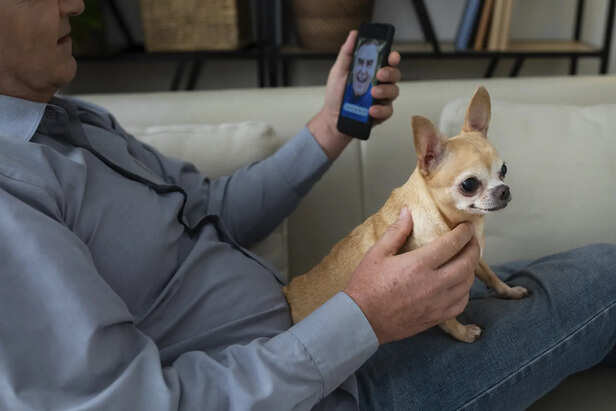
What Is Pet Microchipping and How Does It Actually Work?
Image credit : Freepik
Pet microchipping is a simple and quick procedure in which a tiny chip about the size of a grain of rice is implanted just under your pet’s skin, usually between the shoulder blades. This chip does not have a battery and does not actively transmit signals. Instead, it works using radio Nfrequency identification (RFID) technology. When a lost pet is found and taken to a veterinary clinic or animal shelter, a special scanner is used to read the chip. The scanner activates the microchip, which then displays a unique identification number. This number is linked to a database containing the owner’s contact details. The process is safe, minimally invasive, and similar to a routine vaccination. Once implanted, the microchip lasts for your pet’s lifetime and does not require maintenance. However, it is crucial for pet owners to keep their contact information updated in the database to ensure effectiveness.
Why Microchipping Is More Reliable Than Collars and ID Tags
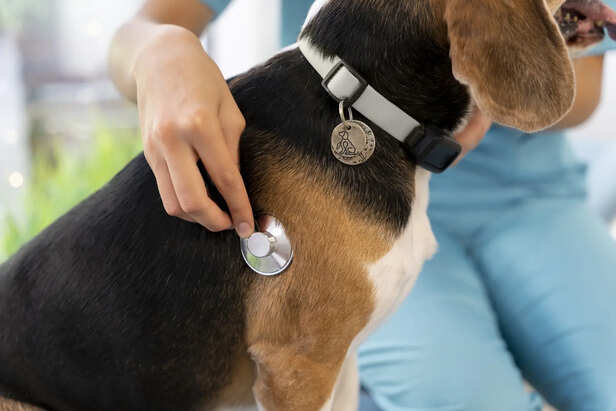
Why Microchipping Is More Reliable Than Collars and ID Tags
Image credit : Freepik
While collars and ID tags are useful, they are not foolproof. Pets can easily lose their collars during play, accidents, or while wandering outdoors. ID tags can become worn out or unreadable over time, making them unreliable in critical situations. Microchipping, on the other hand, provides a permanent form of identification that cannot be removed or lost. Even if your pet is found without a collar, a simple scan can reveal your contact details. This significantly increases the chances of being reunited with your pet. Additionally, microchipping acts as proof of ownership, which can be especially helpful in disputes or cases of stolen pets. Many animal shelters and rescue organizations now rely heavily on microchips to identify pets and return them to their rightful owners quickly.
Safety, Pain, and Common Myths About Microchipping

Safety, Pain, and Common Myths About Microchipping
Image credit : Freepik
One of the most common concerns among pet owners is whether microchipping is painful or harmful. In reality, the procedure is very quick and causes minimal discomfort similar to a regular injection. Most pets react only briefly, if at all. There are also myths that microchips can track your pet’s location like GPS devices. This is not true. Microchips do not have tracking capabilities; they only store identification information that can be read by a scanner. Another misconception is that microchips can move around inside the pet’s body or cause health issues. While minor movement is possible, it is rare and usually does not cause any harm. Overall, microchipping is considered a safe and widely accepted practice by veterinarians worldwide.
Legal Requirements and Growing Importance of Microchipping Worldwide
When Microchipping Becomes Essential and How It Saves Lives
Pet microchipping is more than just a modern trend it is a reliable, safe, and effective way to ensure your pet’s safety. While collars and tags are useful, they cannot replace the permanence and security that a microchip provides. Considering the emotional and practical benefits, microchipping is a small step that can make a big difference. For responsible pet owners, it is not just necessary it is essential for protecting their beloved companions.