
Pet Food Labels Are a Joke - Here’s What You’re Actually Feeding Them
Anant Singh | Sep 02, 2025, 11:23 IST

Happy Dog Waiting for Food
Image credit : Freepik
When walking down the aisle in a pet store, you would have seen eye-catching and bright-coloured packets of supposedly healthy snacks and treats for your pets. You will be surprised to know the reality and truth behind all those food labels and commitments that they have made on those packages. We as pet parents often read the label and assume it is the full truth, when actually we may be feeding our pets the kind of food that we will never serve on our own tables. Indian pet food labels are at best ambiguous.
The Labeled Loophole

Woman Checking Food Labels
Image credit : Freepik
Human food labels are highly monitored by the Food Safety and Standards Authority of India (FSSAI) unlike pet food labels, which are overlooked by the government. Regulations exists but are not implemented to the book.
Some pet food manufacturing companies take advantage of blanket terms, which cover their tracks when they use different raw materials than what is actually advised to cut costs. For example a term like “Meat Derivatives” which means that the product is processed with meat. Despite mentioning this detail on the label the questions that remain unanswered are “meat of which animal?” or “which part of the animal is the meat coming from?” The manufactures are under no obligation to clear those questions.
A study was conducted by the European Pet Food Federation (FEDIAF) which showed that countries without proper regulations have a higher possibility of spreading misinformation through their labels. India unfortunately falls into that category.
Next time when you read a label and it says “Rich in protein” think twice about where the “protein” might have come from or which “protein” are they talking about.
The Grain and Filler Issue
Dry Kibble And Fresh Meat
Image credit : Freepik
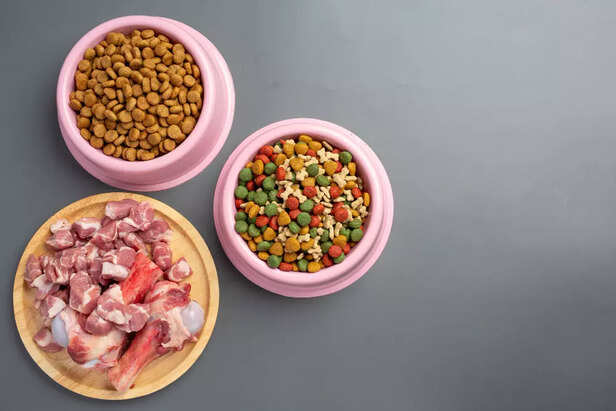
Top priority for all the manufacturing industry is cost cutting and profit maximisation. It is evident for them to find loopholes to keep their cost low. And for this they have found the most feasible way out - “Grain and Filler Proportions”
What manufacturers actually do in this grain and filler loophole is that they cut their costs by adding more grains and less meat. Why? Because grains are cheaper and meats are expensive. Indian pet food is full of cereals which include rice, wheat and corn. Not that dogs and cats are intolerant to the above stated grains, big amounts in their a daily diet can cause serious gut issues.
When you read a label of a pet food package, you see all the grains used listed separately along with “meat derivatives” which makes it seem like everything in is proper ratio, but in reality, it is not. Most of the packaged treats are mainly disproportionate in terms of grain and meat proportion. All this cost cutting and profit making is happening right under your nose at the cost of your pet’s health.
Imported vs. Indian

Reading Pet Food Labels Making Smart Shopping Choices
Image credit : Freepik
We as pet owners feel the imported products are better than Indian made products. It’s not just in the case of pets, but in general too. You’ll be surprised to know that, not all imported products are any better than the Indian products.
Most companies do follow the guidelines given by the Association of American Feed Control Officials (AAFCO). Companies export that product of theirs to India which will not pass the lab tests in their home country, why? Because of the loose regulations related for pet products.
Don’t underestimate Indian brands, they are trying to compete and also be better than imported products in the foreseeable future. Manufacturers have started to use fresh meats, and ingredients in their processing and labelling the packages the right way which is making them trustworthy.
Quality always comes with a steeper price, so invest in the right products for the health and longevity of your beloved companions.
What They Are Actually Eating
Beagle Eating Dry Dog Food
Image credit : Freepik
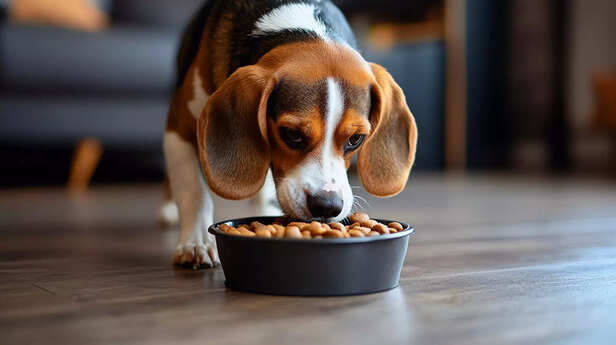
Uncovering reality of the majority ingredients used in pet foods.
- Meat by-products: Old and scrap leftovers which are cheaper to buy.
- Plant fillers: Excess of corn, soy, and other grains which help cut costs.
- Preservatives: Added to extend the life on the shelves.
What Can We As Pet Owners Do?
Woman Reading Pet Food Labels
Image credit : Freepik
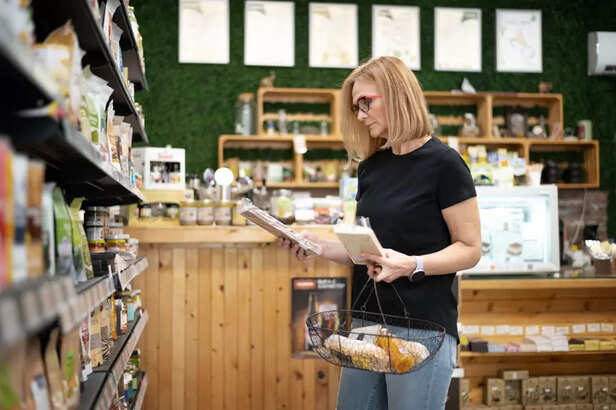
The most effective way of keeping your pet healthy is by being informed. Secondly one must never fall for any kind of marketing strategies that may appeal to the naked eye.
Let me give you some tips for your next purchase:
- Check ingredients: If the label starts with a list of grains, keep it right back from where you picked it.
- Blanket terminology: Look out for terms like meat derivatives, animals fat etc which do not provide a clear picture.
- Artificial preservatives: Avoid buying snacks which have added preservatives.
The Next Purchase

Small Dog Chewing Bone Treat
Image credit : Freepik
Pet foods need to have stricter regulations and effective implementation when it comes to its labelling. For instance the FSSAI keeps an eye on the human side, likewise someone needs to keep a full track of the pet side. Manufacturing to marketing proper standards must be set and maintained. Until they fall into place, we as pet owners have to keep a look out for the good and the bad.
At the end of the day, we are the ones who can read the labels, and understand the science behind them. While making your next purchase, keep in mind the promise of care which we have made to our lifelong companions because making the right decisions is in our hand for those little paws.
Discover expert advice and the latest tips on pet care, training, health, and more. Stay updated with all things pets at Times Pets!
Frequently Asked Questions (FAQs)
- Why are Indian pet food labels considered misleading?
Because they often use vague terms like “meat derivatives” or “animal by-products,” without specifying the actual ingredients. - What are the most common fillers in Indian pet food?
Corn, wheat, and rice are widely used to bulk up recipes cheaply, reducing the amount of real protein. - Are imported pet food brands always safer than Indian ones?
Not necessarily, some imported brands also sell lower-quality versions in India due to weak regulation. - How can I make sure my pet gets proper nutrition?
Check labels carefully, avoid foods with vague terms or excessive grains, and supplement kibble with fresh, home-cooked proteins.