
Pet CPR: A Step-by-Step Guide for Beginners
Sonam Singh | TimesPets Bureau | Apr 15, 2026, 06:35 IST

Pet CPR: A Step-by-Step Guide for Beginners
Image credit : Freepik
Pet CPR (Cardiopulmonary Resuscitation) is a life saving technique used when a pet stops breathing or their heart stops beating. Knowing how to perform CPR correctly can mean the difference between life and death in emergency situations. This guide explains simple, step-by-step instructions for beginners, including how to check vital signs, perform chest compressions, and provide rescue breaths. With proper knowledge and quick action, pet owners can stabilize their pets until professional veterinary help is available.
Emergencies can happen anytime, and as a pet owner, being prepared is essential. Pet CPR is a critical skill that can help save your dog or cat during life threatening situations such as choking, drowning, or cardiac arrest. While it may seem intimidating, understanding the basics can give you the confidence to act quickly. This guide breaks down the process into simple steps so even beginners can respond effectively during a crisis.
When Does a Pet Need CPR?
![When Does a Pet Need CPR?]()
CPR is required only in critical, life threatening situations when your pet is either not breathing or has no heartbeat. Before starting, it is important to quickly assess your pet’s condition. Call their name loudly, gently tap or shake them to check for responsiveness. If there is no reaction, observe their chest closely to see if it is rising and falling. You can also place your hand near their nose to feel for airflow. Next, check for a heartbeat or pulse. For dogs and cats, the pulse is usually felt on the inner thigh where the leg meets the body (femoral artery). If you cannot detect a pulse and there is no breathing, CPR should begin immediately. Timing is extremely important brain damage can start within 3 to 5 minutes without oxygen. Situations where CPR may be needed include choking, drowning, electric shock, severe trauma, poisoning, or heatstroke. However, always ensure that the environment is safe before approaching your pet, especially in cases like road accidents or electrical hazards.
Step-by-Step Pet CPR Process
Start by placing your pet on a firm, flat surface, preferably on their right side. Make sure their airway is clear open the mouth and check for any visible obstruction such as food, vomit, or foreign objects. If something is blocking the airway, carefully remove it using your fingers, but avoid pushing it further inside.
Chest Compressions:
Locate the widest part of the chest.
For small pets (cats or small dogs), use one hand or even your fingers.
For medium to large dogs, use both hands, placing one over the other.
Press down about one-third the depth of the chest.
Perform compressions at a steady rate of 100 to 120 compressions per minute (similar to human CPR rhythm).
Rescue Breaths:
After 30 compressions, give 2 breaths.
Close your pet’s mouth gently and extend the neck to straighten the airway.
Place your mouth over their nose and blow until you see the chest rise.
Do not blow too forcefully, especially for small pets, as this can damage their lungs.
Continue the cycle of 30 compressions + 2 breaths without interruption. After every 2 minutes, briefly check if your pet has started breathing or regained a pulse. If not, continue CPR until veterinary help is available.
Important Tips for Effective CPR
![Important Tips for Effective CPR]()
Performing CPR correctly increases the chances of survival, so keeping a few important tips in mind can make a big difference. Always keep a consistent rhythm too slow or too fast compressions can reduce effectiveness. Avoid pressing too hard, especially on smaller animals, as their ribs are delicate and can break easily. Ensure the airway remains open throughout the process. Keeping the neck straight helps air pass smoothly into the lungs. If your pet is very small, adjust your technique by using gentler compressions and softer breaths. If another person is present, divide responsibilities one person can perform compressions while the other gives rescue breaths or contacts a veterinarian. This teamwork helps maintain proper rhythm and reduces fatigue. It’s also important to stay as calm as possible. Panic can lead to mistakes or interruptions in CPR. Focus on maintaining steady compressions and proper breathing cycles.
Aftercare and Veterinary Assistance
![Aftercare and Veterinary Assistance]()
Even if your pet responds to CPR and begins breathing again, the situation is still critical. CPR only stabilizes your pet temporarily it does not treat the underlying cause. There may be internal injuries, oxygen deprivation damage, or other complications that require immediate medical attention. Transport your pet to the nearest veterinary clinic as quickly as possible. While moving them, keep their body in a stable position and avoid unnecessary movement. Keep them warm using a blanket, but ensure they are not overheated. Monitor their breathing and pulse continuously during transport. If they stop breathing again, be prepared to restart CPR immediately. Inform the veterinarian about what happened, how long CPR was performed, and any symptoms you observed. This information helps in faster and more effective treatment.
Pet CPR is a vital skill every pet owner should learn. In emergencies, your quick response can save your pet’s life. By understanding when and how to perform CPR, you can provide immediate support until professional care is available. Practicing awareness and staying calm during critical situations ensures the best possible outcome for your beloved companion.
When Does a Pet Need CPR?

When Does a Pet Need CPR?
Image credit : Pexels
CPR is required only in critical, life threatening situations when your pet is either not breathing or has no heartbeat. Before starting, it is important to quickly assess your pet’s condition. Call their name loudly, gently tap or shake them to check for responsiveness. If there is no reaction, observe their chest closely to see if it is rising and falling. You can also place your hand near their nose to feel for airflow. Next, check for a heartbeat or pulse. For dogs and cats, the pulse is usually felt on the inner thigh where the leg meets the body (femoral artery). If you cannot detect a pulse and there is no breathing, CPR should begin immediately. Timing is extremely important brain damage can start within 3 to 5 minutes without oxygen. Situations where CPR may be needed include choking, drowning, electric shock, severe trauma, poisoning, or heatstroke. However, always ensure that the environment is safe before approaching your pet, especially in cases like road accidents or electrical hazards.
Step-by-Step Pet CPR Process
Start by placing your pet on a firm, flat surface, preferably on their right side. Make sure their airway is clear open the mouth and check for any visible obstruction such as food, vomit, or foreign objects. If something is blocking the airway, carefully remove it using your fingers, but avoid pushing it further inside.
Chest Compressions:
Locate the widest part of the chest.
For small pets (cats or small dogs), use one hand or even your fingers.
For medium to large dogs, use both hands, placing one over the other.
Press down about one-third the depth of the chest.
Perform compressions at a steady rate of 100 to 120 compressions per minute (similar to human CPR rhythm).
Rescue Breaths:
After 30 compressions, give 2 breaths.
Close your pet’s mouth gently and extend the neck to straighten the airway.
Place your mouth over their nose and blow until you see the chest rise.
Do not blow too forcefully, especially for small pets, as this can damage their lungs.
Continue the cycle of 30 compressions + 2 breaths without interruption. After every 2 minutes, briefly check if your pet has started breathing or regained a pulse. If not, continue CPR until veterinary help is available.
Important Tips for Effective CPR
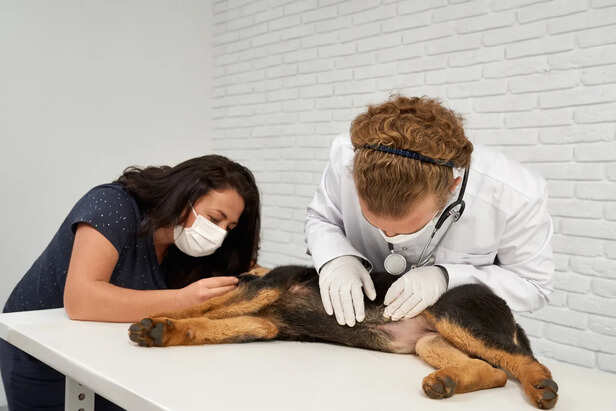
Important Tips for Effective CPR
Image credit : Freepik
Performing CPR correctly increases the chances of survival, so keeping a few important tips in mind can make a big difference. Always keep a consistent rhythm too slow or too fast compressions can reduce effectiveness. Avoid pressing too hard, especially on smaller animals, as their ribs are delicate and can break easily. Ensure the airway remains open throughout the process. Keeping the neck straight helps air pass smoothly into the lungs. If your pet is very small, adjust your technique by using gentler compressions and softer breaths. If another person is present, divide responsibilities one person can perform compressions while the other gives rescue breaths or contacts a veterinarian. This teamwork helps maintain proper rhythm and reduces fatigue. It’s also important to stay as calm as possible. Panic can lead to mistakes or interruptions in CPR. Focus on maintaining steady compressions and proper breathing cycles.
Aftercare and Veterinary Assistance

Aftercare and Veterinary Assistance
Image credit : Freepik
Even if your pet responds to CPR and begins breathing again, the situation is still critical. CPR only stabilizes your pet temporarily it does not treat the underlying cause. There may be internal injuries, oxygen deprivation damage, or other complications that require immediate medical attention. Transport your pet to the nearest veterinary clinic as quickly as possible. While moving them, keep their body in a stable position and avoid unnecessary movement. Keep them warm using a blanket, but ensure they are not overheated. Monitor their breathing and pulse continuously during transport. If they stop breathing again, be prepared to restart CPR immediately. Inform the veterinarian about what happened, how long CPR was performed, and any symptoms you observed. This information helps in faster and more effective treatment.
Pet CPR is a vital skill every pet owner should learn. In emergencies, your quick response can save your pet’s life. By understanding when and how to perform CPR, you can provide immediate support until professional care is available. Practicing awareness and staying calm during critical situations ensures the best possible outcome for your beloved companion.