
Organic Diet for Birds: Understanding the Benefits and Potential Risks
Upasna Yadav | Apr 15, 2026, 10:00 IST

Fresh Organic Fruits and Vegetables for Pet Birds
Image credit : Pexels
Organic diets are becoming increasingly popular among bird owners who want to provide the safest and most natural nutrition for their exotic pets. While organic food offers several health benefits, it also comes with certain risks and challenges. This article explores the advantages and potential drawbacks of feeding organic diets to exotic birds, along with practical tips to ensure balanced and safe nutrition.
Highlights
1. Organic diets for birds focus on natural, chemical-free foods that promote overall health and longevity. Feeding organic fruits, vegetables, and seeds can improve immunity and reduce exposure to pesticides and toxins.
2. Birds on organic diets often show better feather quality, brighter colors, and increased energy levels. Organic feeding supports natural digestion and helps prevent common dietary-related illnesses.
3. Organic food is often more expensive and less available. A balanced mix of organic pellets and fresh produce is ideal.
2. Birds on organic diets often show better feather quality, brighter colors, and increased energy levels. Organic feeding supports natural digestion and helps prevent common dietary-related illnesses.
3. Organic food is often more expensive and less available. A balanced mix of organic pellets and fresh produce is ideal.
What Is an Organic Diet for Birds?
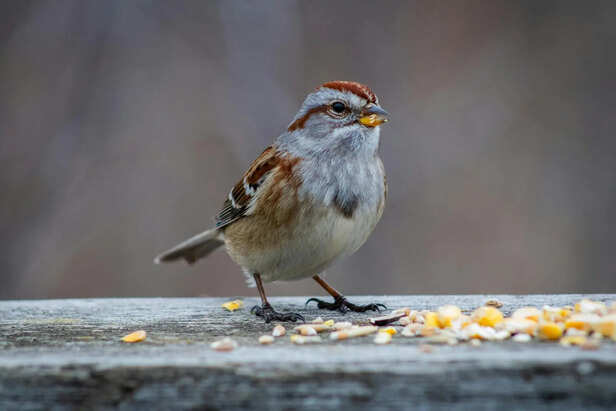
Healthy Bird Enjoying an Organic Meal
Image credit : Pexels
For exotic birds to remain healthy, energetic, and have vivid feathers, their diet must be carefully balanced. Many pet owners are switching to organic diets as awareness of natural living grows. These diets mimic the natural eating habits of birds by emphasizing foods free of chemicals and pesticides. However, before making the change, it is crucial to comprehend both the advantages and the risks.Foods grown without the use of artificial fertilizers, pesticides, or genetically modified organisms (GMOs) are included in an organic diet. This could include organic pellets, seeds, and chemical-free fruits and vegetables for birds.
Benefits of Organic Diets for Exotic Birds
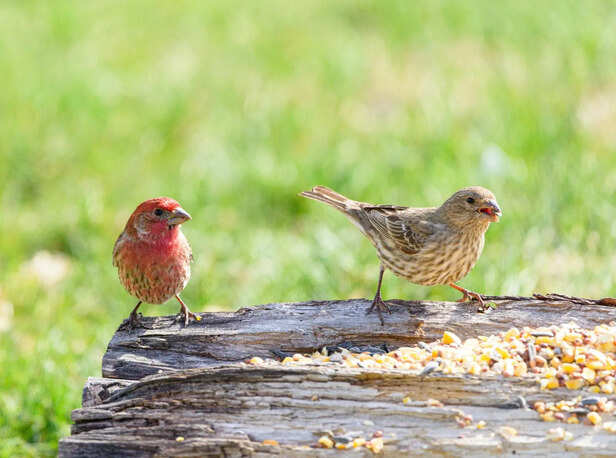
Organic Feeding Setup for Exotic Birds
Image credit : Pexels
- Decreased Chemical Exposure Eating organic foods reduces exposure to dangerous chemicals and pesticides, which can enhance general health and lower the risk of chronic illnesses.
- Better Digestive Health: Birds can more easily digest natural and chemical-free foods, which improves gut health and nutrient absorption.
- One of the biggest advantages of organic feeding is minimizing exposure to pesticides and chemicals, which can accumulate in a bird’s body over time and cause serious health concerns.
- A nutrient-rich organic diet can enhance feather color, shine, and strength. Birds often display brighter plumage and healthier skin when fed natural foods.
- A bird's immune system can be strengthened by eating organic food, which increases the bird's resistance to illnesses and infections.
Birds Organic Diet Risks
- If not properly planned, an organic diet may lack essential nutrients such as calcium, protein, or certain vitamins. Birds require a well-balanced diet, and relying only on organic produce may not fulfill all their dietary needs.
- Unbalanced Nutrition: Not all organic foods are fully nourishing. Birds may lose out on important vitamins and minerals if they don't plan ahead.
- Higher Cost: Because organic food products are frequently more expensive, some pet owners may find it difficult to feed their pets for an extended period of time.
- Third. Limited Availability: It can be challenging to find certified organic bird food in some places, which can result in inconsistencies.
- Organic foods tend to spoil more quickly since they do not contain preservatives. This increases the need for proper storage and frequent replacement.
How to Create a Balanced Organic Diet ?
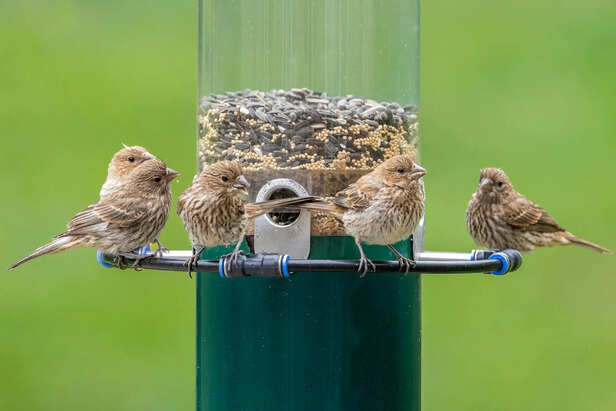
Bird Owner Preparing Organic Diet at Home
Image credit : Pexels
Maintain a Balanced Diet
Introduce Variety
Practice Proper Hygiene
Monitor Bird Health
Consult an Expert
Celebrate the bond with your pets, explore Health & Nutrition, discover Breeds, master Training Tips, Behavior Decoder, and set out on exciting Travel Tails with Times Pets!
Frequently asked questions (FAQs)
- Can I feed my bird only organic fruits and vegetables?
No, birds also need pellets and other nutrients that fruits and vegetables alone cannot provide. - How can I safely switch my bird to an organic diet?
Introduce organic foods gradually while maintaining a balanced diet. Monitor your bird’s health and behavior, and consult an avian expert to ensure the transition is safe and beneficial. - Do organic foods spoil faster for birds?
Yes, organic foods generally spoil faster because they do not contain preservatives. It is important to store them properly and remove uneaten portions promptly to maintain hygiene.