Naphthalene balls sit quietly at the back of most Indian wardrobes, tucked into folded blankets or hung in mesh bags near woollen saris. They look exactly like something a dog would pick up and mouth, or a cat would bat across the floor. That combination, small, round, strongly scented, easy to reach, makes them one of the more common household toxin exposures vets see, and one of the less recognised ones by owners.
What naphthalene does inside the body
Naphthalene is a polycyclic aromatic hydrocarbon. When a pet ingests it, the compound is metabolised in the liver into reactive intermediates, primarily naphthol and naphthoquinone, that attack red blood cells. The damage is specific: these metabolites oxidise haemoglobin, converting it into methaemoglobin, a form that cannot carry oxygen. The condition is called methaemoglobinaemia, and it means the blood circulates but delivers progressively less oxygen to organs and tissues.
In dogs, a second process runs alongside this. Naphthalene metabolites cause haemolytic anaemia, the red blood cells themselves rupture. The liver, which is doing the metabolising, takes direct damage too. In cats, the risk is even higher. Cats have fewer of the enzymes that neutralise oxidative compounds, which is the same reason paracetamol is acutely toxic to them. A dose that a dog might survive with treatment can be fatal to a cat in a shorter window.
![Botanical Elixir Ingredients]()
Botanical Elixir Ingredients
Image credit : AI
Natural ingredients for a soothing blend. I'm mindful of naphthalene toxicity in dogs.
How much is dangerous
There is no safe amount to state here, and no threshold an owner should try to calculate at home. Toxicity depends on the animal's weight, the exact formulation of the ball, how much was ingested, and how quickly treatment begins. What is known is that even partial ingestion of one standard naphthalene ball is enough to cause serious harm in a small dog or a cat. Mothballs sold in India vary in composition: some contain naphthalene, others contain paradichlorobenzene, which is less acutely toxic but still harmful. The packaging rarely makes this easy to read.
Inhalation of vapour over time is a lower-level but real concern for pets who spend time in enclosed spaces, inside a wardrobe, inside a trunk, in a room where balls have been placed on the floor. Chronic low-level exposure can affect the liver and nervous system without producing the acute crisis that a single ingestion causes.
Signs that something is wrong
Owners often miss the early window because the signs are not immediately dramatic. In the hours after ingestion, a pet may seem off, quieter than usual, reluctant to eat, slightly unsteady. As methaemoglobinaemia develops, the gums shift from their normal pink to a pale, muddy, or brownish colour. Breathing becomes laboured. Vomiting is common. In cats, a distinctive brown discolouration of the urine can appear as the damaged red blood cells are cleared.
If you open a wardrobe and find a ball with teeth marks, or find your pet near one, do not wait for symptoms. The treatment window matters. Get to a vet immediately, this is not a situation for home observation or a wait-and-see approach.
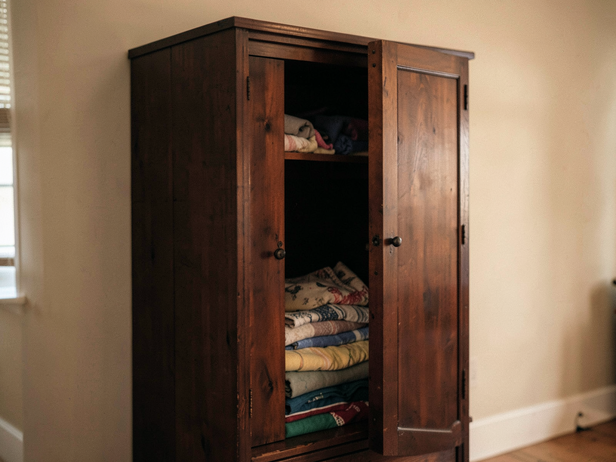
![Wardrobe Textiles Warm Light]()
Wardrobe Textiles Warm Light
Image credit : AI
Folded textiles inside a dark wardrobe, hinting at storage solutions. Be mindful of naphthalene toxicity in dogs if using mothballs.
What to do before you reach the vet
Keep the pet calm and limit its movement. Bring the packaging or a photograph of it so the vet knows whether the ball contained naphthalene or paradichlorobenzene, the treatment differs. Do not attempt to induce vomiting at home unless a vet instructs you to do so over the phone; in some situations it can cause additional harm. Do not give any human medicine. Paracetamol, which many owners reach for when an animal seems unwell, is itself acutely toxic to cats and worsens the oxidative damage already underway.
Keeping naphthalene out of reach
The straightforward answer is to move to alternatives that are not small, round, and chewable. Cedar blocks, dried neem leaves, and lavender sachets repel moths without the acute toxicity profile. If naphthalene balls remain in the home, they need to be inside sealed containers that a paw cannot open, in spaces the pet cannot access at all, not simply placed high, since cats reach high surfaces routinely and dogs investigate anything that falls. Mesh bags hung from a rod are not pet-proof. A sealed tin or a latched box is.
The smell that signals a naphthalene ball to an owner signals something interesting to a pet. The gap between those two responses is where the hazard lives.