
Monsoon and dogs: 6 things to check after every walk and why
Sept 17, 2026, 16:39 IST

6 things to check after every walk and why
A quick post-walk routine can keep your dog comfortable, clean and protected throughout the rainy season. Paying attention to a few key areas can also help you spot early signs of irritation or infection. Here are six things pet parents should check once they get home.
Monsoon walks can be exciting for dogs, but wet pavements, muddy trails and standing water can also leave them exposed to a range of seasonal problems. From damp paws to hidden ticks, a few minutes of checking your dog after every walk can help prevent small issues from turning into bigger ones. A quick post-walk routine can keep your dog comfortable, clean and protected throughout the rainy season. Paying attention to a few key areas can also help you spot early signs of irritation or infection. Here are six things pet parents should check once they get home.
Wet grass, mud and dirty puddles can collect between a dog’s paw pads and toes. Grit, tiny stones, thorns or other debris can also become lodged there, causing discomfort or even small wounds. After every walk, gently inspect all four paws. Wipe away mud and moisture, paying particular attention to the spaces between the toes. If your dog is licking one paw repeatedly, limping or resisting when you touch it, take a closer look for an injury.
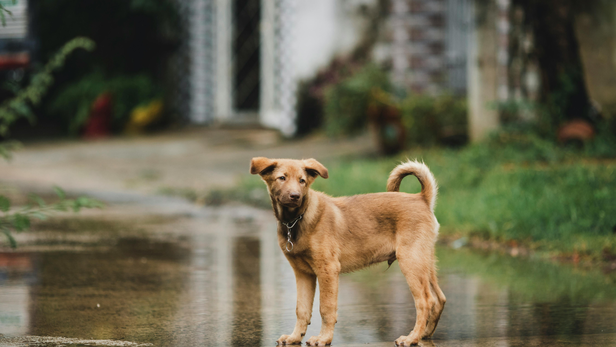
![Look for ticks and other parasites]() Rainy weather can mean more exposure to ticks and other external parasites, particularly when dogs walk through grass, bushes or muddy areas. Ticks can hide in places that are easy to miss, including around the ears, neck, between the toes and near the tail. Run your hands gently over your dog’s coat and visually inspect the skin, especially after walks in grassy areas. Keep your dog’s parasite-prevention routine up to date as recommended by your veterinarian.
Rainy weather can mean more exposure to ticks and other external parasites, particularly when dogs walk through grass, bushes or muddy areas. Ticks can hide in places that are easy to miss, including around the ears, neck, between the toes and near the tail. Run your hands gently over your dog’s coat and visually inspect the skin, especially after walks in grassy areas. Keep your dog’s parasite-prevention routine up to date as recommended by your veterinarian.
A wet coat is more than just an inconvenience. If your dog stays damp for long periods, moisture can contribute to skin irritation and an unpleasant odour, particularly in dogs with thick or dense coats. Use a clean, absorbent towel to dry your dog after a rainy walk. Pay attention to areas that tend to remain damp, such as the belly, paws, ears and skin folds. Dogs with thick double coats may need extra time to dry completely.
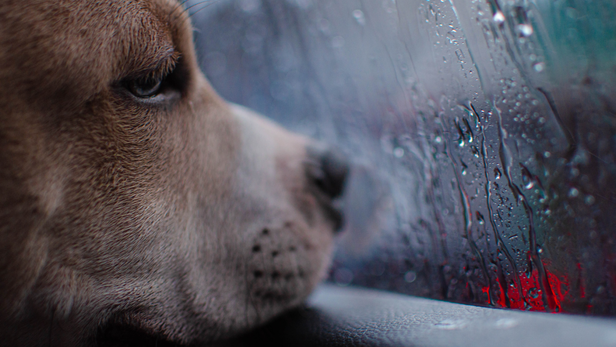
Dogs that spend time in the rain can end up with moisture trapped around or inside their ears. This can be particularly important for dogs with floppy or heavily furred ears.
![Avoid pushing cotton buds deep into the ear canal. For routine cleaning, use only products recommended for your dog by a veterinary professional.]()
Look for obvious redness, unusual discharge, swelling or a persistent unpleasant smell. If your dog is repeatedly shaking its head, scratching its ears or showing signs of pain, speak to a veterinarian rather than trying to treat the ear yourself. Avoid pushing cotton buds deep into the ear canal. For routine cleaning, use only products recommended for your dog by a veterinary professional.
Mud, dirty water, plants and rough surfaces can cause small scratches that may not be immediately obvious. Once your dog is dry, check the belly, legs, paws and areas where the coat is thinner. Look for redness, swelling, cuts, rashes or areas where your dog keeps scratching or licking. Even a small wound deserves attention if it becomes swollen, painful or produces discharge.
This is one of the easiest things to overlook during a monsoon walk. Dogs may be tempted to drink from puddles, but standing water can be contaminated with bacteria, parasites, chemicals or other pollutants. Try to prevent your dog from drinking from puddles, drains or other questionable water sources. Carry fresh drinking water on longer walks so your pet has a safer option.
Monsoon walks don’t have to be stressful for dogs or their humans. A simple routine of wipe, dry and check can help you spot problems early. If you notice persistent itching, limping, vomiting, diarrhoea, unusual tiredness, breathing difficulties or any other concerning change after a walk, contact your veterinarian promptly. The goal isn’t to keep your dog away from every muddy puddle. It’s to make sure that once the walk is over, your four-legged companion comes home clean, dry and comfortable.
Check their paws and between the toes
Look for ticks and other parasites
Look for ticks and other parasites
Dry their coat properly
Check the ears
Avoid pushing cotton buds deep into the ear canal. For routine cleaning, use only products recommended for your dog by a veterinary professional.
Look for obvious redness, unusual discharge, swelling or a persistent unpleasant smell. If your dog is repeatedly shaking its head, scratching its ears or showing signs of pain, speak to a veterinarian rather than trying to treat the ear yourself. Avoid pushing cotton buds deep into the ear canal. For routine cleaning, use only products recommended for your dog by a veterinary professional.