Diet plays a key role in nourishing and maintaining the overall health of a pet. Pet owners consider a number of market produced dry and wet food for their pet but sometimes they also want to try and serve home made recipes to their dog. Home made pet food recipes are available on the internet, books, etc. Some of them are even vet approved, consisting of all right proportions of carbohydrates, vitamins, minerals, fats and proteins. Self made recipes can also be tried but there are few considerations to keep in mind while preparing dog food at home:
1. Balanced Portions:
![Protein, veggies and healthy nutrition]()
Protein, veggies and healthy nutrition
Image credit : Freepik
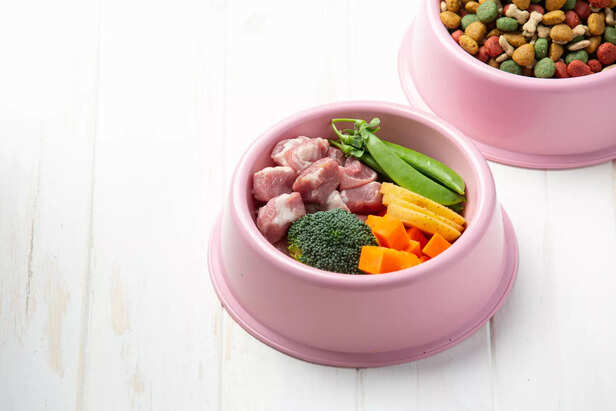
A well portioned homemade dog meal showing the right balance of protein, vegetables and carbohydrates for healthy canine nutrition
A Balanced dog food should contain balanced portions of ingredients for providing adequate nourishment, maintaining and supporting overall health and development of your dog. A diet should consist of 50% Carbohydrates like brown rice, sweet potatoes, barley, oats, etc, 20-40% Vegetables like carrots, green beans, peas, pumpkin, zucchini, etc, 10-20% Protein like chicken, eggs, fish, etc, with a very small amount of healthy oils like coconut and olive oil.
2. Never Use Toxic Food:
![Chocolate, raisins and dangerous human treats]()
Chocolate, raisins and dangerous human treats
Image credit : Freepik
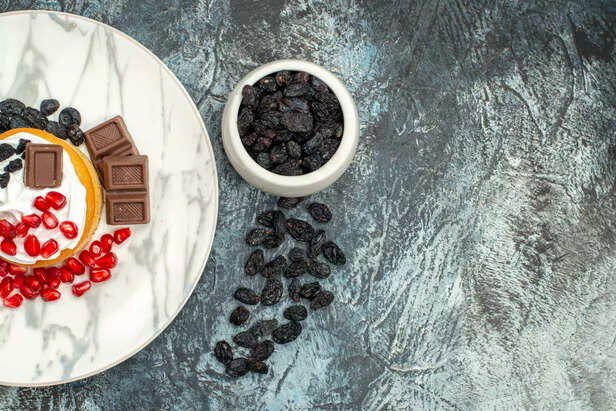
Awareness of dog toxic foods is essential when preparing safe and balanced homemade dog meals
A lot of ingredients that are safe for human consumption are toxic to dogs. You should never use these ingredients as these can be harmful and deadly for your dogs. Ingredients such as:
- Onions, garlic, chives and leeks damage red blood cells in a dog’s body.
- Chocolate and Caffeine can cause vomiting, seizures and heart issues.
- Grapes and Raisins can damage kidneys.
- Avocados can cause diarrhea and vomiting.
- Cooked bones can cause internal injury or blockage.
- Alcohol can cause vomiting, seizures or even coma.
- Xylitol(an artificial sweetener), found in candies, gums, peanut butter, can cause liver failure.
- Raw yeast dough can cause bloating and even lead to alcohol poisoning.
- Macadamia nuts can cause nervous system issues.
3. Cook Thoroughly:
![Properly cooked homemade dog food]()
Properly cooked homemade dog food
Image credit : Pixabay
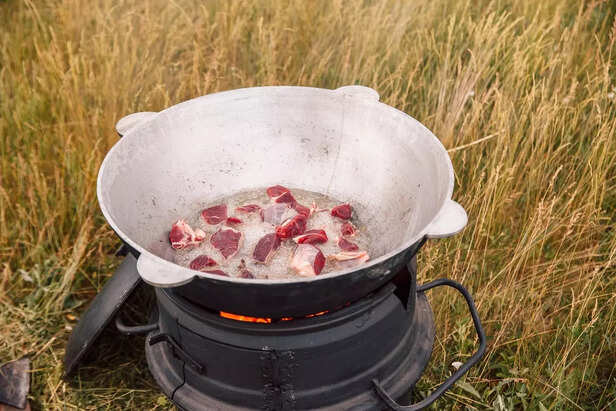
Proper cooking ensures homemade dog food is safe, digestible and free from disease-causing pathogens
All ingredients in a dog’s diet should be cooked properly and thoroughly as whole cooked vegetables are easy to digest and whole cooked meat eliminates bacteria like Salmonella and E.coli which can lead to illness and even death.
4. Refrigerate Storage:
![Keeping homemade dog food fresh]()
Keeping homemade dog food fresh
Image credit : Pixabay
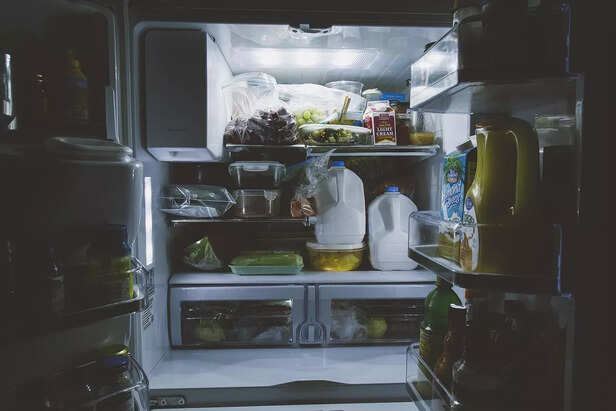
Storing homemade dog food in airtight containers and refrigerating it helps prevent spoilage and bacterial growth
You can store large batch of prepared food in a sealed and airtight container for use in no more than 3-5 days. But before serving the food always smell it, in case its gone bad, discard it.
5. Avoid Seasoning:
![The Importance of avoiding seasonings]()
The Importance of avoiding seasonings
Image credit : Pixabay
Plain, unseasoned ingredients are the safest choice when preparing healthy homemade meals for dogs
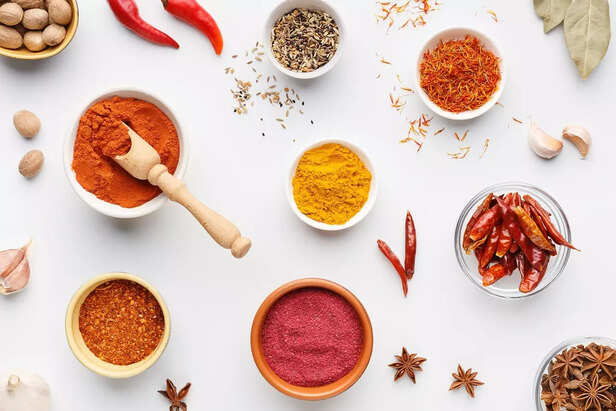
We think adding seasoning to dog food would elevate its taste for the dog but seasonings like salt, pepper, garlic, onion, paprika, nutmeg can cause upset tummy, dehydration and are toxic to dogs.
6. Seek Advice:
![Online pet nutritionist advice]()
Online pet nutritionist advice
Image credit : Pixabay
Using trusted pet nutrition websites helps tailor homemade dog meals to your dog’s age, breed and health needs
Although online recipes and self made recipes consisting of balanced portions are sufficient but online website services such as ‘BalanceIt’ and ‘PetDiets’ provide professional nutritionist help for the recipes, ensuring proper nutrition is served with each bite.
So these were the points you should know before preparing balanced dog food at home. Hope you found this article interesting and helpful.
Celebrate the bond with your pets, explore
Health & Nutrition, discover
Breeds, master
Training Tips,
Behavior Decoder, and set out on exciting
Travel Tails with
Times Pets!Frequently Asked Questions (FAQs):
- What is the 80 10 10 rule for dog food?
The 80 10 10 rule for dog food is a guideline for a raw diet consisting of 80% muscle meat, 10% edible bone and 10% organ met containing liver, kidney, spleen or pancreas. This diet mimics the natural wild prey, designed for dogs on a raw diet. - What is the 95% rule in dog food?
The 95% rule in dog food is a labeling rule set by AAFCO, which means when a brand name mentions specific ingredient, it should constitute that ingredient at least 95% of the total food weightage excluding water and other contents. For eg- If a brand has "Beef & Rice" named product, it should contain 95% beef and rice in it. - What supplements should I add to my homemade dog food?
Supplements such as minerals(like calcium, phosphorus, etc), Omega- 3s, key vitamins(A, D, E, B- complex) and Probiotics or Enzymes can be added to homemade dog food for better nourishment and overall dog health.