Leptospirosis sits in an uncomfortable category of dog illnesses: serious enough to cause kidney and liver failure, common enough that any dog walking on urban streets is at some risk, and invisible enough that many owners have never heard of it until their vet brings it up during a vaccination appointment. The bacteria behind it, Leptospira, a thin spiral-shaped organism called a spirochaete, do not need a bite or a scratch to get in. Damp ground and standing water do the job.
Where the bacteria come from
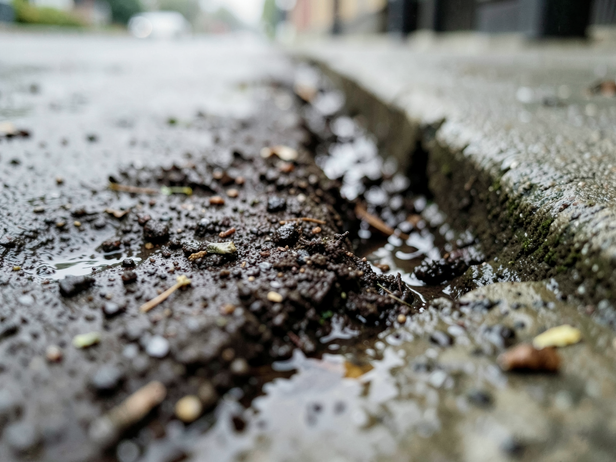
Rats are the primary reservoir in Indian cities. An infected rat sheds Leptospira in its urine continuously, often without showing any illness itself. That urine reaches drains, puddles, wet soil, and flooded gutters. The bacteria can survive in warm, moist environments for several weeks, sometimes longer if the ground stays damp and the temperature stays moderate. Dogs encounter this contaminated water every day: a puddle on the footpath, a patch of mud near a park drain, the wet edge of a compound wall where rats travel at night. Urban areas with dense rat populations and poor drainage carry a higher background risk, which is why the infection tends to be more common in cities than in dry rural areas.
![Urban Puddle Textures]()
Urban Puddle Textures
Image credit : AI
Close-up of urban footpath textures, highlighting pooled rainwater. Be mindful of leptospirosis prevention for dogs in Indian cities.
How it gets into the dog's body
Leptospira enters through mucous membranes, the lining of the nose, mouth, and eyes, or through small cuts and abrasions in the skin. A dog does not need to drink the contaminated water, though drinking it accelerates exposure. Simply splashing through a puddle and then licking its paws is enough. So is sniffing the ground where infected urine has pooled. Once inside, the bacteria move quickly into the bloodstream. This phase, called leptospiraemia, is when the dog may first seem unwell, fever, lethargy, reluctance to eat. The bacteria then target two organs in particular: the kidneys and the liver. In the kidneys, they damage the tubules that filter waste from the blood. In the liver, they disrupt normal cell function. Severe infections can cause both organs to fail within days.
What the infection looks like in a dog
The signs vary with how much bacteria entered the body and how quickly the immune system responds. Mild infections sometimes resolve on their own, though this does not mean they should go unmonitored. Moderate to severe infections look like this: the dog stops eating, becomes visibly weak, may vomit, and develops a fever. As kidney involvement increases, it may drink more water than usual and urinate more, or, in severe cases, stop urinating almost entirely, a sign that the kidneys are struggling to filter at all. Yellowing of the whites of the eyes or the gums, called jaundice, points to liver involvement. Muscle pain is common; some dogs flinch when touched along the back or hindquarters. The timeline from exposure to visible illness is typically one to two weeks. If your dog shows sudden lethargy combined with vomiting, reduced urination, or yellowing of the eyes or gums after any contact with floodwater, puddles, or wet outdoor ground, take it to a vet the same day, do not wait to see if it improves overnight.
![Morning Light on Paws]()
Morning Light on Paws
Image credit : AI
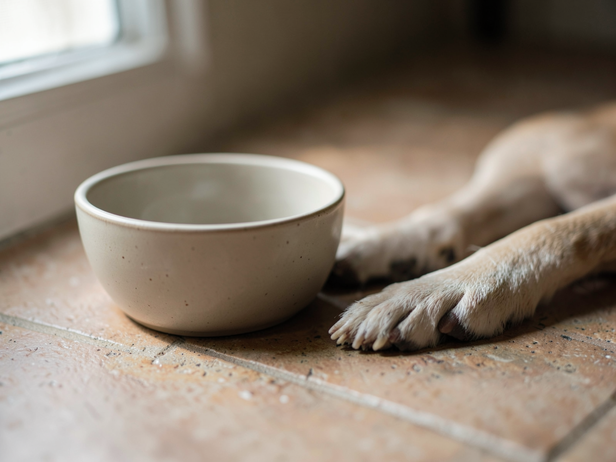
A peaceful scene, highlighting the importance of clean water for our canine companions. Preventing dog infection from puddles is key.
Diagnosis and treatment
A vet will suspect leptospirosis from the history and signs, and confirm it through blood and urine tests. Kidney and liver function panels show how much damage has occurred. Specific tests, the microscopic agglutination test, or MAT, look for antibodies against Leptospira in the blood. Treatment is with antibiotics; the choice and duration are the vet's decision based on the dog's condition and test results. Dogs with significant kidney or liver involvement often need hospitalisation for intravenous fluids and supportive care. Early treatment makes a real difference to outcome. Dogs caught in the early leptospiraemic phase generally do better than those brought in once organ damage is established.
Prevention: vaccination and everyday habits
A vaccine against leptospirosis exists and is part of the standard canine vaccination schedule in India. It does not cover every Leptospira serovar, there are many, but it protects against the strains most commonly associated with severe disease. The vaccine requires an initial two-dose course and annual boosters; a dog that has missed its booster is not fully protected. Talk to your vet about whether your dog is current. Beyond vaccination, the practical steps are straightforward. Avoid letting your dog wade through or drink from stagnant puddles, drain water, or flooded ground. After walks in wet conditions, wipe your dog's paws and belly before it licks itself. If you live in a building with a known rat problem, be especially cautious about where your dog sniffs along walls and near drains. Leptospirosis is also a zoonotic infection, it can pass from dogs to people, primarily through contact with infected urine or contaminated water. If your dog is diagnosed, your vet will advise you on handling precautions.
The bacteria that cause leptospirosis have no dramatic entry point, no bite, no visible wound, nothing a careful owner would notice in the moment. That is precisely what makes the vaccine and the habit of keeping dogs out of stagnant water worth taking seriously. The infection is treatable when caught early; the difficulty is that by the time the signs are obvious, the kidneys and liver are already working against a deficit.