
Is Milk Safe for Dogs? Myths vs Facts Every Indian Pet Owner Should Know
Upasna Yadav | Feb 03, 2026, 10:25 IST

Dog drinking milk: Myth or fact
Milk is a staple in many households, considered a good food ingredient for all. As pet parents, it is natural to wonder if your furry companion can enjoy a sip now and then. Whether it is cow’s milk, goat’s milk, or even plant-based alternatives, many dog owners have several questions about milk, its intake, and if it is a complete food for your little pups and senior ones too. In this article, we will explore the benefits and risks of milk for dogs.
Highlights
1. How milk affects their health, and five safe and healthy alternatives to milk that your pup or your adult furry friend may enjoy even more.
2. However, it is not an essential part of their daily diet. The main concern with giving milk to dogs is lactose intolerance. Like humans, many dogs lose the ability to digest lactose properly, the sugar found in milk,k after weaning.
3. The key is knowing your dog’s digestive limits and starting with a small amount if you have never given them milk before. Moreover, it is important to remember that dogs should get most of their nutrients from balanced commercial dog food or a vet-approved homemade diet. Milk should only ever be a treat, not a primary food source.
2. However, it is not an essential part of their daily diet. The main concern with giving milk to dogs is lactose intolerance. Like humans, many dogs lose the ability to digest lactose properly, the sugar found in milk,k after weaning.
3. The key is knowing your dog’s digestive limits and starting with a small amount if you have never given them milk before. Moreover, it is important to remember that dogs should get most of their nutrients from balanced commercial dog food or a vet-approved homemade diet. Milk should only ever be a treat, not a primary food source.
The Science Behind Dogs and Milk
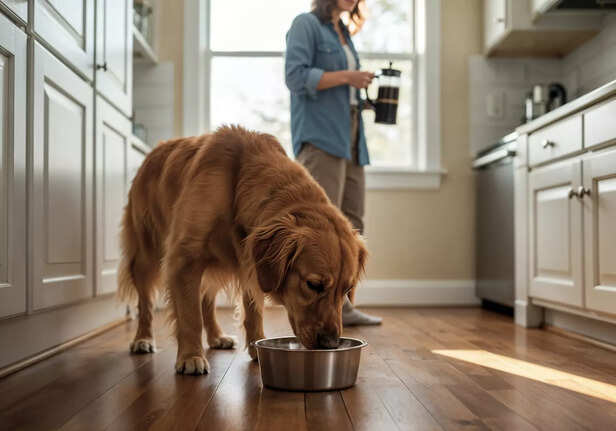
Dog milk feeding every Indian dog owner should know
Dogs and milk have a complex relationship that goes beyond whether they can drink it or not. The science behind how dogs process dairy products explains why some dogs handle milk better than others.
How dogs process dairy ?
Why adult dogs are different from puppies ?

What happens when dog drink milk ?
Young puppies produce lactase to digest their mother's milk during their first weeks. All the same, their bodies make less of this vital enzyme as they grow and stop drinking mother's milk, usually around 4 weeks old. A mother dog's milk is different from cow's milk in its nutritional makeup. Dog milk has more protein and less lactose than cow's milk. This key difference shows why puppies shouldn't drink cow's milk instead of their mother's milk - it just doesn't match their nutritional needs.
Age-Specific Milk Guidelines
Dog owners need to know how to feed milk based on their pet's age and development stage. These age specific guidelines help provide proper nutrition and prevent health problems. Mother's milk is a vital source of nutrition and immunity for newborn puppies. The mother produces colostrum in the first few days after birth. This nutrient rich milk contains immunoglobulins that shield puppies from illness. Puppies rely on this early immunity until they develop their own immune system at around 16 weeks. Some puppies need extra care when they're orphaned or their mothers can't produce enough milk. These little ones should get commercial puppy milk replacer instead of cow's or goat's milk. Newborns need feeding every 1-2 hours in their first week. After that, they can eat every 3-5 hours. Temperature plays a vital role in puppy development. The whelping box needs to stay between 85°F-90°F during week one. This should drop to 80°F by the second week.
Nutritional Benefits Of Milk For Dogs

Milk can be beneficial for dogs when give occasionally
If your dog can tolerate lactose, milk can offer some nutritional benefits, such as:
Calcium And Phosphorus:
These minerals are crucial for maintaining healthy bones and teeth. Additionally, calcium also supports muscle function and nerve transmission.
Protein:
Milk contains high-quality animal protein, which supports muscle repair and growth, important for active and growing dogs.
Vitamins A, D, And B12:
These vitamins are essential for overall well-being and support vision, immune health, and energy metabolism.
Healthy Fats
Milk contains essential fats that provide energy and support skin as well as coat health.
What Are The Risks Of Feeding Milk to Dogs
Lactose Intolerance:
This is the most common issue. Symptoms usually appear within a few hours of consuming milk and can range from mild gas to severe diarrhoea.
Obesity:
Milk contains sugar and fat, which can contribute to weight gain if fed regularly, especially in dogs with a sedentary lifestyle.
Allergies:
Some dogs may have an allergy to dairy proteins, leading to skin irritations, ear infections, or chronic itching.
High-Calorie Content:
Celebrate the bond with your pets, explore Health & Nutrition, discover Breeds, master Training Tips, Behavior Decoder, and set out on exciting Travel Tails with Times Pets!
Frequently asked questions (FAQs)
- Is milk safe for dogs ?
Milk is not completely safe for most dogs. Many dogs are lactose intolerant, which means milk can cause stomach upset, gas, diarrhea, or vomiting. - Can dogs drink milk occasionally ?
Yes, small amounts of milk occasionally may be safe for some dogs, but it should not be a regular part of their diet. Always watch for signs of digestion issues. - Why do dogs love milk if it is bad for them ?
Dogs enjoy milk because of its fat content and taste, not because it is healthy. Just like humans enjoy junk food, dogs may like milk even if it upsets their stomach. - Is cow milk good for dogs in India ?
Cow milk is commonly given in Indian households, but most adult dogs cannot digest it properly. It often leads to loose motions and bloating.