
How to Tell Your Cat Is Getting Older and Needs Extra Care
Tanisha Kumari | Dec 27, 2025, 14:55 IST

cat is getting older
Image credit : Freepik
Cats are masters at hiding discomfort making it difficult for owners to notice the subtle signs of aging. As they enter their senior years, changes in mobility, appetite, grooming habits, litter box behavior and emotional patterns reveal their need for extra care. By recognizing these shifts early, cat owners can provide comfort, adapt their environment and ensure timely veterinary support allowing their feline companions to enjoy their golden years with dignity and love.
Highlights
- Hesitation to jump, stiffness or reduced play may signal arthritis or joint pain.
- Loss of interest in food or unexplained weight changes can indicate dental or metabolic issues.
- Dull, greasy or matted fur shows reduced grooming ability; brushing and supplements help.
- Litter box accidents, confusion or emotional changes highlight the need for extra care and vet visits.
Cats are good at hiding discomfort behind their graceful movements which makes aging hard to detect. When they enter their senior years their bodies and behaviours change in ways that deserve extra attention. So for the cat to live a happy and healthy life the owner should watch out for these early shifts in their behaviours.
When Everyday Movements Change
![signs of aging in cats]()
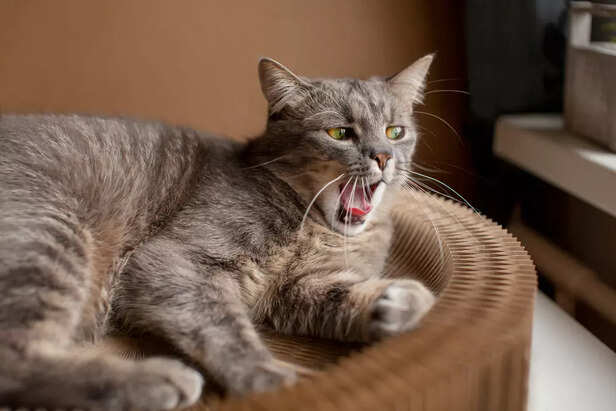
One of the first signs of aging in cats is a change in mobility. Owners notice their cat who was a high jumping explorer now hesitates before climbing onto the bed or couch. Stiffness especially after sleeping or a reluctance to climb stairs signals joint pain or arthritis. Cats start sleeping more, playing less or prefer lounging in warm, cozy spots. These changes do not mean they have become lazy but it is just that their body needs gentler activity. Soft bedding, ramps for high places and regular low impact play help keep their joints functioning and muscles active.
Appetite Shifts That Signal Aging
![Cat's appetite]()
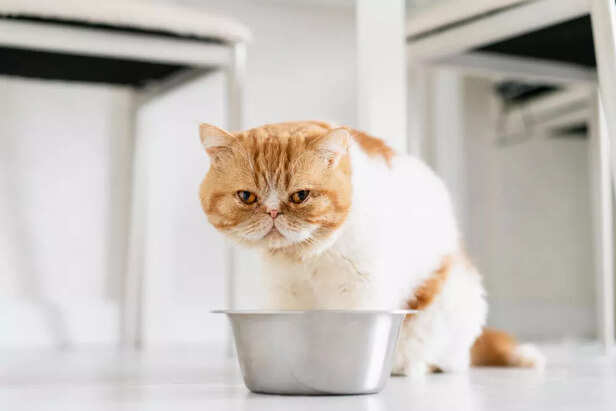
The cat’s appetite offers important clues about their health. A gradual loss of interest in food, sudden weight loss or becoming extra picky may point to dental problems or reduced sense of smell which comes with age. On the other hand eating more while still losing weight indicates thyroid or metabolic issues. Since senior cats have different nutritional needs then switching to a senior specific diet makes mealtime easier and healthier. A senior specific diet is usually higher in hydration and supportive of kidney health.
Cats take pride in grooming themselves so a messy or matted coat may be a red flag. Senior cats find it harder to twist and reach certain areas especially in their back or tail base. Their fur starts appearing dull, greasy or tangled. Reduced grooming and hydration also causes flaky skin. Gentle brushing helps them stay clean and comfortable while supplements like Omega 3 recommended by a vet improves their skin and coat health. Grooming time also strengthens the bond between the cat and the owner.
Changes around the litter box are subtle but hide a deeper meaning. Missing the tray or having accidents may not be misbehaviour but a result from pain while squatting, reduced mobility or cognitive confusion. Drinking and peeing more are early signs of kidney disease or diabetes both common in older cats. Constipation, difficulty in urinating or straining also requires quick attention. Providing a low sided litter box, multiple trays around the home and encouraging water intake through fountains or wet food makes life easier for an aging cat. Vet visits become crucial after age seven to catch internal changes early.
As cats age their emotional world shifts too. The same independent cat starts following their owners everywhere while a once affectionate pet craves more alone time. Confusion especially at night, loud meowing or forgetting familiar routes around the house indicates memory decline. Hearing and vision changes also affect their confidence and interaction style. The best support is stability as by maintaining consistent routines, avoiding loud noises and creating warm resting spaces helps them feel secure. Gentle play and mental enrichment like puzzle toys keep their mind active.
When cat owners understand the signs of aging they are able to respond with compassion, adjustment at homes and timely vet care. With the right help the senior cat enjoys their golden years in comfort, dignity and love which is proof that growing old together is one of the best gifts for the pet and their owners.
Celebrate the bond with your pets, explore Health & Nutrition, discover Breeds, master Training Tips, Behavior Decoder, and set out on exciting Travel Tails with Times Pets!
When Everyday Movements Change
signs of aging in cats
Image credit : Freepik
One of the first signs of aging in cats is a change in mobility. Owners notice their cat who was a high jumping explorer now hesitates before climbing onto the bed or couch. Stiffness especially after sleeping or a reluctance to climb stairs signals joint pain or arthritis. Cats start sleeping more, playing less or prefer lounging in warm, cozy spots. These changes do not mean they have become lazy but it is just that their body needs gentler activity. Soft bedding, ramps for high places and regular low impact play help keep their joints functioning and muscles active.
Appetite Shifts That Signal Aging
Cat's appetite
Image credit : Freepik
The cat’s appetite offers important clues about their health. A gradual loss of interest in food, sudden weight loss or becoming extra picky may point to dental problems or reduced sense of smell which comes with age. On the other hand eating more while still losing weight indicates thyroid or metabolic issues. Since senior cats have different nutritional needs then switching to a senior specific diet makes mealtime easier and healthier. A senior specific diet is usually higher in hydration and supportive of kidney health.
A Coat That Tells a Story
Litter Box Behavior & Hydration
Emotional Changes with Age
When cat owners understand the signs of aging they are able to respond with compassion, adjustment at homes and timely vet care. With the right help the senior cat enjoys their golden years in comfort, dignity and love which is proof that growing old together is one of the best gifts for the pet and their owners.
Celebrate the bond with your pets, explore Health & Nutrition, discover Breeds, master Training Tips, Behavior Decoder, and set out on exciting Travel Tails with Times Pets!