Highlights
1.Because weight gain often happens gradually, many pet owners don’t realize when their dog is overweight.
2.The first step is to examine and assess your dog’s body condition, as well as monitor their weight.
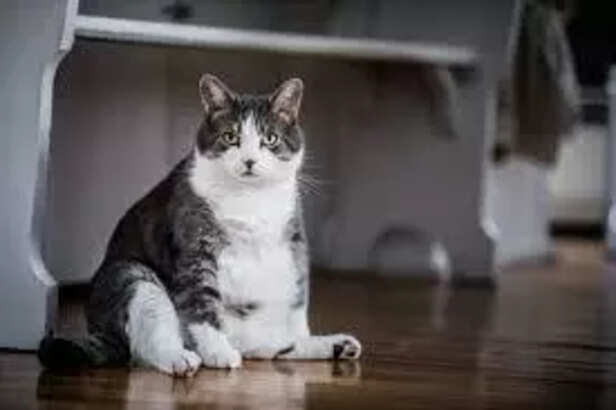
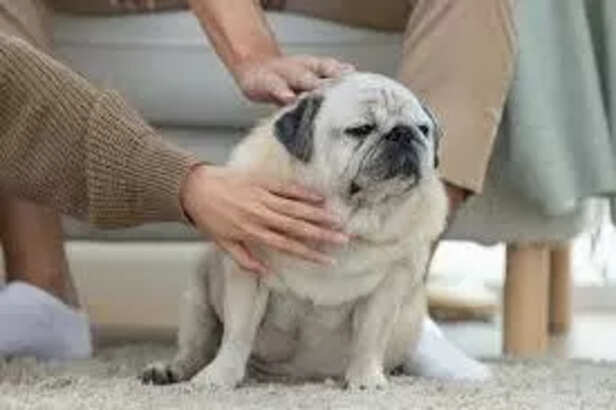
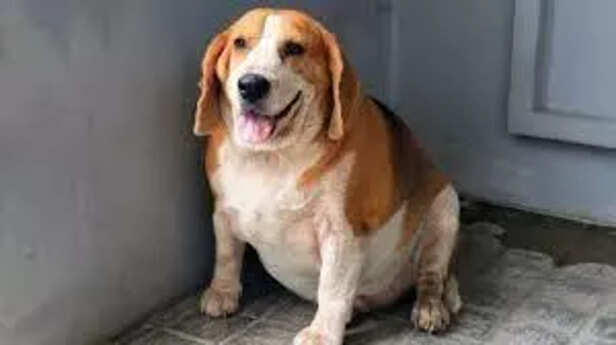
3.A healthy dog has a visible waistline and ribs that are easy to feel under a thin layer of fat. If your dog looks like a “blimp” from above or the ribs are difficult to see or feel, it may need a weight-loss plan.
Work With Your Veterinarian to lose weight
![Obesity in pets]()
Obesity in pets
Pet obesity can lead to serious health issue
What works for one dog may not be safe for another. Before starting any weight-loss program, ask your veterinarian to assess your dog’s body condition, overall health, and potential risk factors. Together, you can set a realistic target weight and create a safe daily calorie plan, taking into account any underlying issues—like arthritis or thyroid disease—that could affect your dog’s progress.
Pet obesity causes
![Healthy weight management for pets]()
Healthy weight management for pets
balanced nutrition and proper diet
Overweight and obese pets are not born that way. Specific variables contribute to the condition, including:
Overfeeding
One of the most common causes of pet obesity is overfeeding. Pet owners often overestimate the amount of food their pet needs or indulge them with too many treats.
Lack of exercise
Pets need regular physical activity, including walking, running, and playing with toys. Sedentary lifestyles can contribute significantly to weight gain.
Improper diet
Feeding pets low-quality food with high-calorie content and inadequate nutrients can lead to obesity. Human food, in particular, can be harmful to pets because of its high fat and sugar content and potential for food toxicity.
Genetics
Some breeds are predisposed to gain weight. For example, Labrador retrievers, dachshunds, and beagles are more prone to obesity, but only when genetics are coupled with unhealthy food and lack of exercise.
Age and health conditions
Senior pets and those with certain medical conditions, such as hypothyroidism or Cushing’s disease, are more susceptible to weight gain because they may have a decreased metabolism.
Weight management in pets
![Measuring weight condition of a pet]()
Measuring weight condition of a pet
Weight condition measuring and treatment
The positive news is that pet obesity is preventable. Consider the following steps:
Balanced diet
Ensure your pet’s diet has appropriate portions and high-quality ingredients. Consult our Carolina Virginia Animal Hospital veterinarian to determine the best food and portion sizes for your furry friend.
Regular exercise
Incorporate regular exercise into your pet’s daily routine. Dogs can benefit from daily walks and playtime, while cats can enjoy interactive toys and climbing structures.
Monitor treats
Limit your pet’s treats and avoid feeding them table scraps. Food for low-calorie, nutritious treats and use them sparingly as rewards for cooperating with tasks, such as obeying commands or remaining still during grooming.
Consistent exams
Annual or more frequent wellness exams are essential to monitor your pet’s weight and overall health. Our veterinarian can guide their weight management and address any underlying health issues.
Weight loss programs
In severe cases, our veterinary team might recommend a structured weight loss program, including specialized diets and increased physical activity.
Pet obesity is a serious issue that requires pet owners’ attention and action. By understanding the causes, recognizing the signs, and implementing effective weight management strategies, you can help your pet maintain a healthy weight and improve their quality of life.
Celebrate the bond with your pets, explore
Health & Nutrition, discover
Breeds, master
Training Tips,
Behavior Decoder, and set out on exciting
Travel Tails with
Times Pets!Frequently asked questions (FAQs)- Why are so many pets overweight?
It's mainly caused by eating too much or not exercising enough, although some diseases can also cause obesity. To help prevent obesity in your pet, make sure they maintain a healthy diet and give them plenty of exercise. If you're concerned about your pet's weight, contact your local vet. - How do you know if your pet is overweight?
Gently run your hands along your pet's sides. You should be able to feel their ribs without pressing hard, like touching the back of your hand. If you feel a thick layer of fat instead, they may be overweight. No Visible Waist or Tuck. - How can we prevent obesity in animals?
Speaking to your vet about the best way to tackle your pet's obesity.Increasing the amount of exercise your pet gets, Play with them more, Look at the type of food they eat and how much they're given, Come up with a feeding plan, Record and monitor their weight.