
How to Handle Heatstroke in Pets
Sonam Singh | TimesPets Bureau | Apr 15, 2026, 07:35 IST

How to Handle Heatstroke in Pets
Image credit : Freepik
Heatstroke in pets is a life-threatening emergency that occurs when their body temperature rises beyond safe limits. Unlike humans, pets cannot efficiently regulate heat, making them highly vulnerable during hot weather. This article explains how to recognize early signs of heatstroke, immediate first aid steps, and preventive measures to keep your pets safe. With proper awareness and timely action, pet owners can protect their furry companions from severe complications and even death caused by overheating.
As temperatures rise, pets become more susceptible to heat-related illnesses, especially heatstroke. Dogs and cats cannot sweat like humans; they rely mainly on panting to cool down. When this natural cooling system fails, their body temperature can spike dangerously. Heatstroke is a medical emergency that requires immediate attention. Understanding its causes, symptoms, and treatment can help pet owners act quickly and save their pet’s life during extreme heat conditions.
What Causes
![What Causes Heatstroke in Pets?]()
Heatstroke occurs when pets are exposed to high temperatures without proper ventilation, shade, or water. Common causes include leaving pets in parked cars, excessive exercise during hot weather, and lack of access to cool environments. Flat-faced breeds (like pugs and bulldogs), overweight pets, and older animals are more vulnerable. Even indoor pets can suffer if the environment becomes too hot and humid without proper cooling or airflow.
Signs and Symptoms to Watch For
![Signs and Symptoms to Watch For]()
Recognizing early symptoms is crucial. Initial signs include excessive panting, drooling, restlessness, and rapid heartbeat. As the condition worsens, pets may experience vomiting, diarrhea, weakness, confusion, and collapse. Their gums may turn bright red or pale. In severe cases, seizures or unconsciousness can occur. Immediate action is necessary when these signs appear, as delays can lead to organ failure or death.
Immediate First Aid for Heatstroke
![Immediate First Aid for Heatstroke]()
If you suspect heatstroke, act quickly. Move your pet to a cool, shaded area immediately. Offer small amounts of cool (not ice-cold) water to drink. Use a damp cloth or cool water to lower their body temperature, focusing on the belly, paws, and neck. Avoid using ice directly, as it can shock the system. Turn on a fan or air conditioning if available. Most importantly, seek veterinary care immediately, even if your pet seems to recover.
Prevention is always better than treatment. Never leave pets in a parked vehicle, even for a few minutes. Ensure constant access to fresh water and shaded areas. Avoid walks or exercise during peak heat hours; instead, choose early morning or late evening. Keep indoor spaces cool with fans or air conditioning. Groom your pet regularly, but avoid shaving completely, as fur can protect against heat. Always monitor your pet closely during hot weather.
Heatstroke in pets is preventable with proper care and awareness. By recognizing early warning signs and taking immediate action, pet owners can save lives. Simple steps like providing shade, water, and avoiding extreme heat exposure can make a significant difference. Always prioritize your pet’s comfort and safety during hot weather, and consult a veterinarian whenever you suspect heat-related issues.
What Causes Heatstroke in Pets ?

What Causes Heatstroke in Pets?
Image credit : Pexels
Heatstroke occurs when pets are exposed to high temperatures without proper ventilation, shade, or water. Common causes include leaving pets in parked cars, excessive exercise during hot weather, and lack of access to cool environments. Flat-faced breeds (like pugs and bulldogs), overweight pets, and older animals are more vulnerable. Even indoor pets can suffer if the environment becomes too hot and humid without proper cooling or airflow.
Signs and Symptoms to Watch For

Signs and Symptoms to Watch For
Image credit : Freepik
Recognizing early symptoms is crucial. Initial signs include excessive panting, drooling, restlessness, and rapid heartbeat. As the condition worsens, pets may experience vomiting, diarrhea, weakness, confusion, and collapse. Their gums may turn bright red or pale. In severe cases, seizures or unconsciousness can occur. Immediate action is necessary when these signs appear, as delays can lead to organ failure or death.
Immediate First Aid for Heatstroke
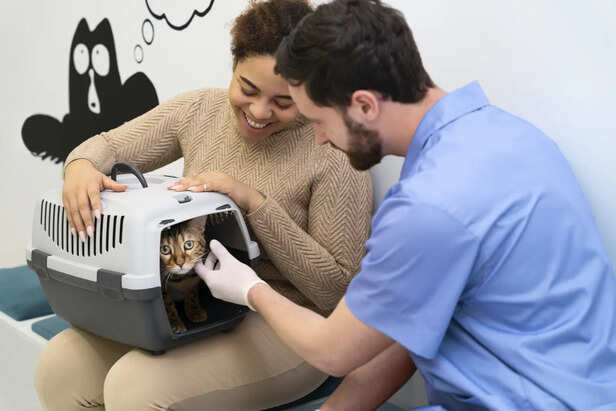
Immediate First Aid for Heatstroke
Image credit : Pexels
If you suspect heatstroke, act quickly. Move your pet to a cool, shaded area immediately. Offer small amounts of cool (not ice-cold) water to drink. Use a damp cloth or cool water to lower their body temperature, focusing on the belly, paws, and neck. Avoid using ice directly, as it can shock the system. Turn on a fan or air conditioning if available. Most importantly, seek veterinary care immediately, even if your pet seems to recover.
Preventive Measures to Keep Pets Safe
Prevention is always better than treatment. Never leave pets in a parked vehicle, even for a few minutes. Ensure constant access to fresh water and shaded areas. Avoid walks or exercise during peak heat hours; instead, choose early morning or late evening. Keep indoor spaces cool with fans or air conditioning. Groom your pet regularly, but avoid shaving completely, as fur can protect against heat. Always monitor your pet closely during hot weather.
Heatstroke in pets is preventable with proper care and awareness. By recognizing early warning signs and taking immediate action, pet owners can save lives. Simple steps like providing shade, water, and avoiding extreme heat exposure can make a significant difference. Always prioritize your pet’s comfort and safety during hot weather, and consult a veterinarian whenever you suspect heat-related issues.