
How to Clean and Maintain a Bird Cage the Right Way
Upasna Yadav | Jan 14, 2026, 12:30 IST

A well maintained bird cage
Image credit : Freepik
Bringing a new companion bird home can be exciting for you but frightening for your bird. The key to introducing your new feathered friend to your home in a Fear Free way is to plan for and set up his new cage and environment in a mindful manner before you bring him home. Maintaining an empathetic perspective will help to ensure that your new bird feels safe, comfortable, and calm as he acclimates to your home environment, daily household activities, and family.
Highlights
1.A key factor in keeping your bird healthy is to make sure their cage, play stands, and other accessories are regularly cleaned.
2.Once you have a routine, incorporating it into your daily, weekly, and monthly schedule is easy and you get the satisfaction of knowing your bird is healthier and happier. When you’re cleaning your bird’s cage, this is the best time to see if there are any signs that your bird isn’t feeling well.
3.Keep your pet bird happy and healthy with our guide to bird cage setup and maintenance. Get expert tips on cage size, cleaning, and essential accessories to create the perfect home for your feathered friend
2.Once you have a routine, incorporating it into your daily, weekly, and monthly schedule is easy and you get the satisfaction of knowing your bird is healthier and happier. When you’re cleaning your bird’s cage, this is the best time to see if there are any signs that your bird isn’t feeling well.
3.Keep your pet bird happy and healthy with our guide to bird cage setup and maintenance. Get expert tips on cage size, cleaning, and essential accessories to create the perfect home for your feathered friend
Cage Placement

Proper housing for pet birds
When deciding where to place the cage, your bird’s health and welfare are the top priority. Although the cage may look great in the living room in front of the bay window, that may not be the best placement for your bird’s physical and mental wellbeing. Windows can be drafty. The sun can shine too strongly through the window, overheating the bird. Activity she sees outside can be stressful. And a cage placed in a high-traffic area can cause your bird undue stress and anxiety. Instead, place the cage in an area of the room away from drafty windows and doors.
Make sure to locate it where your bird can see human family members (for social interaction), but also where he can enjoy some quiet time during the day (and definitely at night). Maintain a little space between the back of the cage and the wall for ease of cleaning, and to keep your bird from reaching out to chew on the wall. A plastic floor pad (like the kind used for office chairs) placed under the cage will protect flooring and make cleanup easier.
Lighting and Temperature
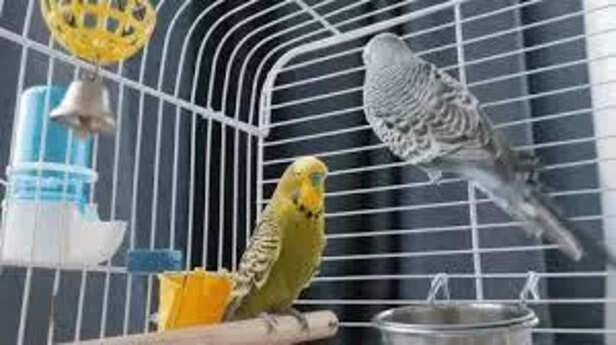
Clean and safe bird cage
Where you place the cage also depends on the lighting and temperature control in the room. Natural lighting is best, but make sure the bird isn’t relegated to a part of the room that is dark much of the time. Well-placed lighting will help keep your bird happy and engaged with the household during the day, and able to get a good night’s sleep once lights are switched off (you may want to also provide a light cage cover so the bird can wind down at the end of the day). Avoid placing the cage too close to heating or cooling vents, heaters, or radiators. Make sure temperature can be well-regulated to keep your bird comfortable during all seasons.
Food and Water Bowl Placement
Food and water bowls should be easily accessible from perches inside the cage. Make sure they’re not in an area where they could be contaminated by feces or placed in such a way that food could fall into the water or vice versa. You should be able to reach them easily for cleaning and refilling.
Perches
Choose perches appropriate to the size and type of bird you have. The claws should comfortably grasp the perch. A perch that is too narrow or too thick can cause discomfort and pain to your bird’s feet. Birds appreciate a variety of perch textures and configurations, making natural branches such as manzanita a popular choice.
Playtime
Your bird will benefit from ample playtime both inside the cage environment as well as supervised activity outside of it. Inside the cage, provide a few well-placed and mindfully chosen toys. Birds love to chew and “preen” toys that feature a variety of safe materials and textures. Don’t overwhelm your bird with too many toys, though, which can be stressful.
Cage Maintenance
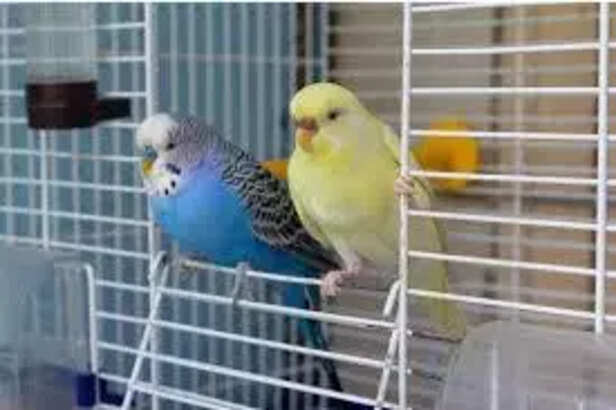
Healthy environment for bird in cage
Above all, keep your bird’s cage and environment clean by changing the cage liner regularly (daily, if possible), washing and refilling food and water bowls daily, and removing and replacing perches and toys as they become chewed and frayed. Your bird will appreciate the care and compassion you show by making sure the cage is a place where he can feel comfortable, safe, and stress-free providing the perfect foundation for a trusting and loving relationship.
Celebrate the bond with your pets, explore Health & Nutrition, discover Breeds, master Training Tips, Behavior Decoder, and set out on exciting Travel Tails with Times Pets!
Frequently asked questions (FAQs)
- What is the best size bird cage ?
The best size bird cage depends on the species and the number of birds you have. Generally, the larger the cage, the better, as it provides more space for your bird to move around, play, and exercise. Choose a cage that is at least large enough for your bird to fully extend its wings without touching the sides. - How often should I clean a bird cage ?
The frequency of cleaning depends on the size of the cage, the number of birds, and the type of substrate used. As a general rule:1.Spot clean daily: Remove food and droppings.2.Clean food and water bowls daily. 3. Replace substrate every 1-3 days.4.Deep clean the cage weekly: Wash the cage, perches, and toys with bird-safe cleaner. - What are the best materials for bird cage construction?
Stainless steel or powder-coated metal cages are generally the best options. They are durable, easy to clean, and safe for birds. Avoid cages made of materials like zinc, lead, or Teflon, which can be toxic to birds.