
How Summer Affect Your Pets Nutritional Need ?
Upasna Yadav | Mar 22, 2026, 12:00 IST

Fresh and Light Summer Meal for Pets
Our diet is different during the summer, and that’s mostly due to an increase or decrease in exercise and calorie intake. Well, pets go through the same. During warmer days they might require more or less food, just like us. So, what nutritional needs do pets have during the warm or even hot months? Do we have to change their diet on hot days? And what is most important to keep in mind not only during hot temperatures but also all year long?
Highlights
1. The parting of winter leaves a trail of bitterness on the tongue while the arrival of March tastes like the sweet nectar of the singing sun. And the period need the attention towards our furry friends.
2. Whether or not these studies are ultimately conclusive, you need to pay attention to your pet’s diet. Seasonal fluctuations in daylight and temperature have been found to definitely alter hormone levels in mammals.
3. Most dogs naturally become less active during the hottest parts of the day, conserving energy by napping or lounging in the shade. With lower activity levels comes a reduced need for calories.
2. Whether or not these studies are ultimately conclusive, you need to pay attention to your pet’s diet. Seasonal fluctuations in daylight and temperature have been found to definitely alter hormone levels in mammals.
3. Most dogs naturally become less active during the hottest parts of the day, conserving energy by napping or lounging in the shade. With lower activity levels comes a reduced need for calories.
Do I need to change my pet's diet?

Healthy Summer Diet for Pets
If your pet is on the right diet, then there’s no need to change it during the summer months. In general, you should keep your pet’s diet constant all year long. Of course, if your dog or cat has a special health condition, such as allergies, obesity or arthritis, then you need to make some dietary changes, even though is summer. If that’s the case, then don’t change their food all of a sudden, instead add the new pet food gradually. Sudden changes can lead to other health issues, such as vomiting and diarrhea. So, there is no need to change your pet’s diet completely in the summer, as long as the current one is a balanced diet that gives them all the nutrients they need all year long.
Summer Diets For Dog
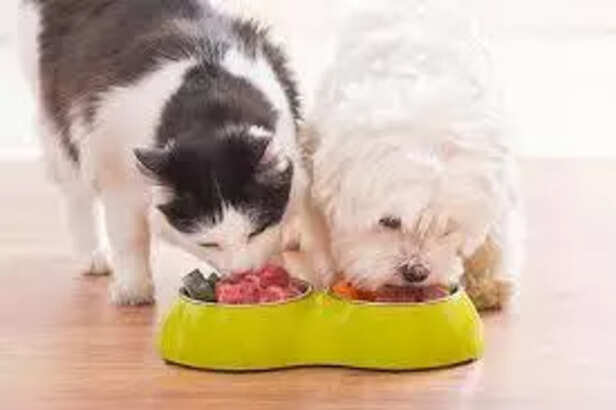
Light and Nutritious Summer Meal for Pets
A good summer diet for dogs needs to be hydrating, balanced, and nutritious. There are multiple foods and recipes that can provide your dog with this, at once. As we start yet another season with our dogs, let's keep this in mind and remember our blessings of being able to create bright new summer memories with them!
On this thought, here are 8 tips to help your furry family member transition to a cheerful, belly-full summer diet as comfortably as possible:
1. Go slow!
One of the most important tips for transitioning to a new diet is to go slow. Begin by incorporating small amounts of summer foods into your dog's diet while still maintaining their winter diet. Mix a small portion of the new summer food with their current food, gradually increasing the proportion of summer food while decreasing the winter food over the course of about a week. Pay close attention to how your dog reacts to the transition. If you see any signs of digestive upset such as diarhoea, vomiting, or changes in appetite, slow down the transition process or consult your vet for guidance. You’ll also want to adjust portion sizes by monitoring your dog’s weight and general condition so they receive an appropriate amount of food for their size, activity level and nutritional needs.
2. Timing is everything
When the seasons transition, you’ll want to observe when it’s the hottest during the day and avoid feeding your dog during those hours. Instead, you can schedule meals during early mornings and late afternoons. Not only does this prevent overheating, but also promotes better digestion and nutrient absorption. Another tip is to avoid feeding your dog right after they’ve had a walk or play session as this can turn their stomachs upset and increase the risk of digestive issues such as bloating. Wait till your dog has had a chance to rest and cool down before offering them a meal or a snack.
3. Try new ways of hydration
Water is an absolute MUST! You can incorporate hydration in different ways for your dog’s summer diet. Start by placing multiple bowls of room temperature water around the house in shaded areas that’s away from the sun so the water doesn’t get overheated. Next, give your dog a balance of wet dog food and dry dog food. Typically, wet dog food has a higher water content than dry kibble, making it a great choice for keeping your dog hydrated. The moisture in wet dog food helps to maintain your dog’s fluid balance and supports overall hydration.
5. Make it balanced and nutritious
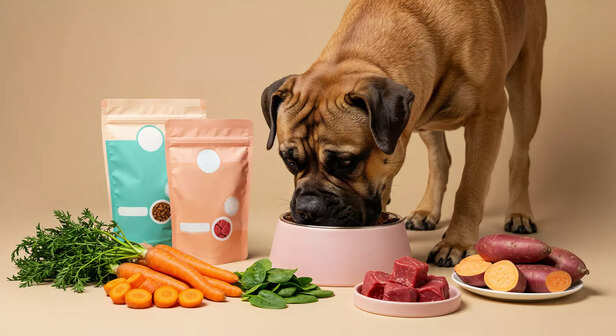
Dog Enjoying a Hydrating Summer Treat
Apart from hydration and timing, it’s important that what your dog eats from the bowl is balanced and nutritious. While their basic nutritional needs remain the same year-round, certain foods and supplements can help support their health and well-being during warmer weathers. Lean proteins, healthy fats and complex carbohydrates should form the foundation of your dog’s diet, promoting sustained energy and optimal body condition. Avoid inflammatory foods and opt for low-calorie foods that are ones that are lighter on the stomach.
Celebrate the bond with your pets, explore Health & Nutrition, discover Breeds, master Training Tips, Behavior Decoder, and set out on exciting Travel Tails with Times Pets!
Frequently asked questions (FAQs)
- How do I transition my dog's diet from winter to summer foods?
Transitioning your dog's diet from winter to summer foods should be done gradually to avoid digestive upset. Start by mixing small amounts of the new summer foods with their current winter diet, gradually increasing the proportion of summer food while decreasing the winter food. Monitor your dog for any signs of digestive discomfort during the transition - What are the best times of day to feed my dog during the summer months?
It's best to feed your dog during the cooler parts of the day, such as early morning or late evening, to avoid feeding them during the hottest hours. Additionally, avoid feeding your dog immediately before or after strenuous exercise to prevent digestive issues. - Are there specific foods that are better for dogs to eat in the summer?
Foods with higher water content are beneficial for keeping your dog hydrated and cool. Consider incorporating fresh fruits and vegetables like cucumbers, watermelon, and leafy greens into their diet. Additionally, lean proteins and foods with cooling properties, such as yoghurt, can help support your dog's health during the warmer weather.