
Hidden Danger: This Household Item Could Be Killing Your Dog
Deepak Rajeev | Apr 07, 2026, 18:12 IST

Are You Using This Item That Harms Your Dog?
Image credit : Freepik
Common household cleaning products may pose serious health risks to dogs due to toxic chemicals that linger on surfaces and in the air. Dogs are especially vulnerable because they lick their paws and inhale fumes. Symptoms of exposure can be subtle but dangerous. Awareness and simple precautions can help protect pets from these hidden, everyday hazards inside the home.
You clean your home every day with the intention of making it safer, fresher, and more hygienic, but what most dog owners never stop to consider is that the very products designed to eliminate germs and dirt- common household cleaning products- can quietly expose your pet to toxic chemicals that affect their body in ways that are often invisible at first but potentially devastating over time.
Across homes worldwide, everyday cleaners such as floor disinfectants, bleach solutions, bathroom sprays, and laundry detergents contain powerful chemical agents like ammonia, chlorine, and formaldehyde, and while these substances are effective at killing bacteria, they are also capable of harming dogs through inhalation, ingestion, or skin absorption, with reports showing that household cleaning products account for a notable percentage of pet poisoning cases every year.
![Common household cleaning products may pose health risks]() The real issue is not just the presence of these chemicals, but how dogs interact with their environment in ways that make them significantly more vulnerable than humans, because unlike you, your dog walks barefoot across freshly cleaned floors, lies on treated surfaces, and instinctively licks its paws and fur, which means that even when a surface looks dry and harmless, it may still carry invisible residues that are easily ingested during grooming.
The real issue is not just the presence of these chemicals, but how dogs interact with their environment in ways that make them significantly more vulnerable than humans, because unlike you, your dog walks barefoot across freshly cleaned floors, lies on treated surfaces, and instinctively licks its paws and fur, which means that even when a surface looks dry and harmless, it may still carry invisible residues that are easily ingested during grooming.
In addition to this, dogs breathe closer to the ground where chemical fumes tend to settle, making inhalation exposure much more intense, and veterinary experts have repeatedly warned that even the fumes from products like bleach or disinfectant sprays can irritate a dog’s respiratory system, leading to coughing, sneezing, and breathing difficulties even without direct contact.
![As exposure continues symptoms can escalate]() One of the most dangerous aspects of this issue is how easily the warning signs can be missed or dismissed, because exposure to toxic cleaning products does not always cause immediate collapse but instead often begins with subtle symptoms such as drooling, vomiting, reduced appetite, lethargy, or mild irritation of the eyes and skin, which many pet owners may mistake for minor or temporary discomfort.
One of the most dangerous aspects of this issue is how easily the warning signs can be missed or dismissed, because exposure to toxic cleaning products does not always cause immediate collapse but instead often begins with subtle symptoms such as drooling, vomiting, reduced appetite, lethargy, or mild irritation of the eyes and skin, which many pet owners may mistake for minor or temporary discomfort.
However, as exposure continues or intensifies, these symptoms can escalate into far more serious conditions, including abdominal pain, difficulty breathing, disorientation, and in severe cases, seizures or chemical burns inside the mouth and digestive tract, highlighting how something as routine as cleaning can quickly turn into a medical emergency.
While bleach is often the most talked-about hazard, it is far from the only one, because laundry detergents can irritate the stomach and throat, fabric softeners can cause chemical burns, and multipurpose cleaners can damage the skin, eyes, and internal tissues if ingested, while even products marketed as “fresh” or “natural,” including certain essential oils and air fresheners, can still release compounds that are harmful to pets.
What makes this particularly concerning is that many of these products are used daily and stored within easy reach, increasing the chances of repeated low-level exposure that builds over time rather than a single obvious incident.
The biggest mistake is not using these products, but assuming they are automatically safe for pets simply because they are safe for humans, when in reality dogs have different biological sensitivities and behaviours that make even small amounts of exposure far more dangerous. Creating a safe environment does not mean eliminating cleaning altogether, but it does require awareness, because keeping your dog away from freshly cleaned areas, ensuring proper ventilation, and being mindful of what products you use can significantly reduce the risks that often go unnoticed.
In the end, the threat is not dramatic or obvious, but quiet and consistent, and that is exactly what makes it so dangerous, because sometimes the greatest risks to your dog are not the things you fear, but the things you trust the most.
Celebrate the bond with your pets, explore Health & Nutrition, discover Breeds, master Training Tips, Behavior Decoder, and set out on exciting Travel Tails with Times Pets!
Across homes worldwide, everyday cleaners such as floor disinfectants, bleach solutions, bathroom sprays, and laundry detergents contain powerful chemical agents like ammonia, chlorine, and formaldehyde, and while these substances are effective at killing bacteria, they are also capable of harming dogs through inhalation, ingestion, or skin absorption, with reports showing that household cleaning products account for a notable percentage of pet poisoning cases every year.
Why your dog is at far greater risk than you think

Common household cleaning products may pose health risks
Image credit : Freepik
In addition to this, dogs breathe closer to the ground where chemical fumes tend to settle, making inhalation exposure much more intense, and veterinary experts have repeatedly warned that even the fumes from products like bleach or disinfectant sprays can irritate a dog’s respiratory system, leading to coughing, sneezing, and breathing difficulties even without direct contact.
The symptoms most owners don’t recognise
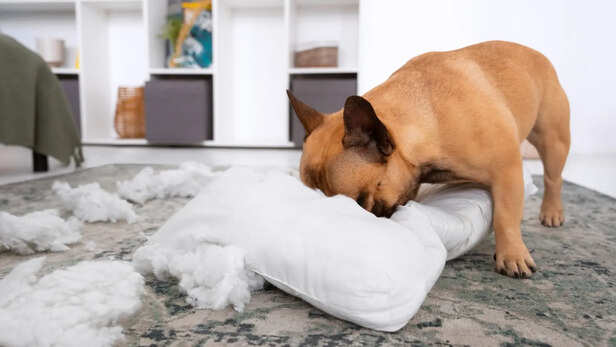
As exposure continues symptoms can escalate
Image credit : Freepik
However, as exposure continues or intensifies, these symptoms can escalate into far more serious conditions, including abdominal pain, difficulty breathing, disorientation, and in severe cases, seizures or chemical burns inside the mouth and digestive tract, highlighting how something as routine as cleaning can quickly turn into a medical emergency.
It’s not just bleach - the risk is everywhere
While bleach is often the most talked-about hazard, it is far from the only one, because laundry detergents can irritate the stomach and throat, fabric softeners can cause chemical burns, and multipurpose cleaners can damage the skin, eyes, and internal tissues if ingested, while even products marketed as “fresh” or “natural,” including certain essential oils and air fresheners, can still release compounds that are harmful to pets.
What makes this particularly concerning is that many of these products are used daily and stored within easy reach, increasing the chances of repeated low-level exposure that builds over time rather than a single obvious incident.
The truth every pet owner needs to understand
The biggest mistake is not using these products, but assuming they are automatically safe for pets simply because they are safe for humans, when in reality dogs have different biological sensitivities and behaviours that make even small amounts of exposure far more dangerous. Creating a safe environment does not mean eliminating cleaning altogether, but it does require awareness, because keeping your dog away from freshly cleaned areas, ensuring proper ventilation, and being mindful of what products you use can significantly reduce the risks that often go unnoticed.
In the end, the threat is not dramatic or obvious, but quiet and consistent, and that is exactly what makes it so dangerous, because sometimes the greatest risks to your dog are not the things you fear, but the things you trust the most.
Celebrate the bond with your pets, explore Health & Nutrition, discover Breeds, master Training Tips, Behavior Decoder, and set out on exciting Travel Tails with Times Pets!