
Healing Through Diet: Foods That Support Recovery in Pets
Upasna Yadav | Apr 15, 2026, 11:21 IST

Nutritious Recovery Meal for Pets
Image credit : Pexels
Recovery in pets whether from illness, surgery, or injury depends not only on medical care but also on proper nutrition. A carefully planned diet can accelerate healing, strengthen immunity, and restore energy levels. Understanding which foods provide essential nutrients helps pet owners support their furry, feathered, or scaled companions during vulnerable times.
Highlights
1. Proper nutrition plays a vital role in speeding up recovery after illness, injury, or surgery. High-quality protein helps repair tissues and rebuild strength in pets. Omega-3 fatty acids reduce inflammation and support faster healing.
2. Vitamins and minerals like zinc, calcium, and vitamin C boost immunity. Easily digestible foods improve appetite and prevent digestive stress. Hydration is essential for detoxification and maintaining body balance.
3. Bone broth and soft meals can encourage eating in weak or sick pets. Probiotics help restore gut health, especially after medications. Avoiding harmful and processed foods prevents complications during recovery.
2. Vitamins and minerals like zinc, calcium, and vitamin C boost immunity. Easily digestible foods improve appetite and prevent digestive stress. Hydration is essential for detoxification and maintaining body balance.
3. Bone broth and soft meals can encourage eating in weak or sick pets. Probiotics help restore gut health, especially after medications. Avoiding harmful and processed foods prevents complications during recovery.
Why Diet Matters in Pet Recovery ?

Healthy Ingredients for Pet Healing
Image credit : Pexels
During recovery, pets experience increased nutritional demands. Proteins repair damaged tissues, vitamins strengthen the immune system, and healthy fats provide energy. Poor nutrition can delay healing, increase the risk of infection, and lead to further complications. Therefore, diet becomes a powerful tool in the healing process.
Key Nutrients That Support Healing
1. High-Quality Protein
Protein is essential for tissue repair and muscle rebuilding. Foods like boiled chicken, fish, eggs, and lean meats are excellent sources. For vegetarian pets like rabbits, protein-rich greens and pellets are beneficial.
2. Healthy Fats
3. Vitamins and Minerals
Zinc: Helps wound healing
Calcium & Phosphorus: Strengthen bones after fractures
Fresh vegetables (like carrots and spinach) and fruits (like apples in moderation) can provide these nutrients.
4. Hydration
Best Foods for Recovering Pets

Comfortable Feeding Environment
Image credit : Pexels
1. Easily Digestible Meals
Soft, bland foods like boiled chicken and rice are gentle on the stomach and ideal for pets with digestive issues.
2. Bone Broth
3. Pumpkin and Sweet Potato
These are excellent for digestive health and provide fiber along with essential vitamins.
4. Probiotic-Rich Foods
Yogurt (for pets that tolerate dairy) or vet-approved probiotics help restore gut health, especially after antibiotic treatments.
5. Specialized Recovery Diets
Veterinary-prescribed diets are formulated with balanced nutrients tailored for recovery and specific health conditions.
Foods to Avoid During Recovery
Certain foods can hinder healing or worsen conditions:
- Processed and fatty foods
- Excess salt or sugar
- Toxic foods like chocolate, onions, grapes, and garlic
- Hard or dry foods if the pet has dental or digestive issues
Tips for Feeding a Recovering Pet
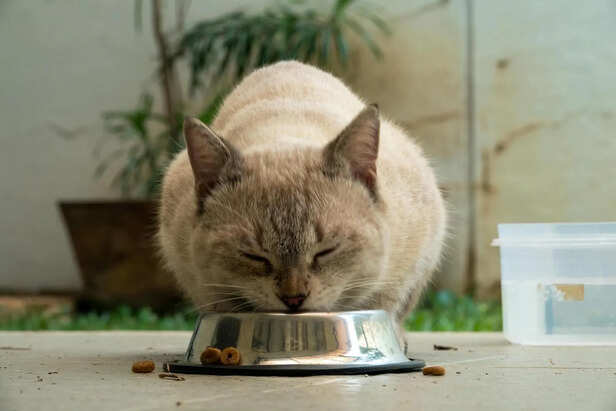
Hydration Support for Pets
Image credit : Pexels
- Offer small, frequent meals to improve digestion
- Warm food slightly to enhance aroma and appetite
- Monitor food intake and weight changes
- Follow veterinary advice for specific conditions
- Introduce new foods gradually
Frequently asked questions (FAQs)
- How can I improve my pet’s appetite during illness?
Try warming the food, offering flavorful options like bone broth, or feeding small portions frequently. A calm environment also helps encourage eating. - Are supplements necessary for recovery?
In some cases, yes. Supplements like omega-3 fatty acids, vitamins, or probiotics may be recommended by a veterinarian depending on the pet’s condition - Can I give my pet fruits and vegetables during recovery?
Yes, but only safe and pet-friendly options in moderation. Avoid toxic foods and always introduce new items slowly.