
Giant Pandas Were Once Endangered but Not Anymore
Tanisha Kumari | Jan 06, 2026, 13:21 IST

Giant Panda
Image credit : Unsplash
The giant panda, once a global symbol of extinction risk, has been successfully reclassified from endangered to vulnerable due to China’s conservation efforts, habitat protection, and captive breeding programs. While their population has grown to over 1,800 in the wild, pandas remain vulnerable to climate change and human activity, requiring continued conservation measures to secure their future.
For decades the giant panda stood as a global symbol of extinction risk. With its black and white fur and gentle nature the species captured human hearts but behind that charm lies a harsh reality. Habitat destruction, low production rates and human interference pushed pandas dangerously close to disappearing forever. While still vulnerable it is no longer classified as endangered proving that focused conservation works.
Why Giant Pandas Were Pushed to the Brink
![Bamboo]()
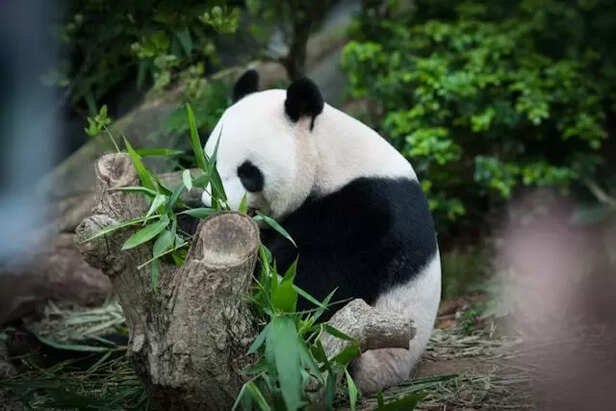
By the middle of 20th century, giant pandas were facing severe threats. Rapid deforestation in China for agriculture, logging and infrastructure destroyed vast stretches of bamboo forests which is the panda's primary and almost exclusive food source. Pandas are highly specialised eaters relying on bamboo for their diet which made them extremely sensitive to habitat loss.
Compounding the problem was their naturally low reproduction rate. Pandas have a very short breeding window each year and cub survival in the wild was historically low. Human invasion fragmented panda habitats which isolated populations and reduced genetic diversity. By the 1980s wild panda numbers had dropped by a lot.
China had launched an ambitious conservation effort. Large areas of panda habitat were declared protected reserves and logging was banned in key forest regions. Wildlife corridors were created to connect fragmented habitats allowing pandas to migrate, mate and maintain genetic diversity.
The government also invested heavily in scientific research, population monitoring and community based conservation programs. Local communities were encouraged to participate in habitat protection aligning livelihoods with conservation goals. This long term policy backed commitment marked a decisive turning point.
How
![Captive breeding]()
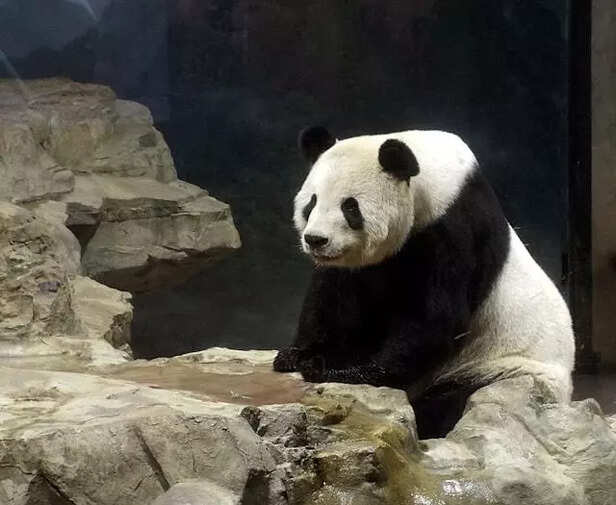
Captive breeding helped stabalise the population of pandas. Early attempts were challenging as pandas in captivity were difficult to breed. Advancement in veterinary science, nutrition and technology improved success rates.
Chengdu Research Base of Giant Panda Breeding became global leaders in panda conservation. They are housing 260 pandas in a 600 acre land. International collaborations with zoos helped increase awareness and funding while maintaining strict breeding and care conditions.
In 2014 the International Union for Conservation of Nature (IUCN) officially reclassified the giant panda from 'Endangered' to 'Vulnerable'. This decision was based on population data showing a steady increase with wild panda numbers rising to over 1800 individuals.
But 'not endangered' does not mean 'safe'. Pandas remain vulnerable to climate change which threatens bamboo forests and to continued human development. Conservation efforts must continue to ensure this progress is not reversed.
Celebrate the bond with your pets, explore Health & Nutrition, discover Breeds, master Training Tips, Behavior Decoder, and set out on exciting Travel Tails with Times Pets!
Frequently Asked Questions (FAQs)
Why Giant Pandas Were Pushed to the Brink
Bamboo
Image credit : Unsplash
By the middle of 20th century, giant pandas were facing severe threats. Rapid deforestation in China for agriculture, logging and infrastructure destroyed vast stretches of bamboo forests which is the panda's primary and almost exclusive food source. Pandas are highly specialised eaters relying on bamboo for their diet which made them extremely sensitive to habitat loss.
Compounding the problem was their naturally low reproduction rate. Pandas have a very short breeding window each year and cub survival in the wild was historically low. Human invasion fragmented panda habitats which isolated populations and reduced genetic diversity. By the 1980s wild panda numbers had dropped by a lot.
Turning Point in Panda Conservation
The government also invested heavily in scientific research, population monitoring and community based conservation programs. Local communities were encouraged to participate in habitat protection aligning livelihoods with conservation goals. This long term policy backed commitment marked a decisive turning point.
How Captive Breeding Helped Save the Species
Captive breeding
Image credit : Unsplash
Captive breeding helped stabalise the population of pandas. Early attempts were challenging as pandas in captivity were difficult to breed. Advancement in veterinary science, nutrition and technology improved success rates.
Chengdu Research Base of Giant Panda Breeding became global leaders in panda conservation. They are housing 260 pandas in a 600 acre land. International collaborations with zoos helped increase awareness and funding while maintaining strict breeding and care conditions.
Status Change That Made Global Headlines
But 'not endangered' does not mean 'safe'. Pandas remain vulnerable to climate change which threatens bamboo forests and to continued human development. Conservation efforts must continue to ensure this progress is not reversed.
Celebrate the bond with your pets, explore Health & Nutrition, discover Breeds, master Training Tips, Behavior Decoder, and set out on exciting Travel Tails with Times Pets!
Frequently Asked Questions (FAQs)
- What do pandas do 40 times a day?
Pandas are mostly found feeding or defecating in their routine. - Why don't zoos have pandas?
Keeping pandas is very expensive as obtaining bamboos is also very expensive which is a staple food in their diet. - Can a panda survive without bamboo?
Pandas live off bamboo as a primary food source. When bamboo becomes unavailable such as during mass flowering events then panda populations are at risk of starvation.