
Functional Foods for Pets: Beyond Basic Nutrition
Upasna Yadav | Apr 23, 2026, 08:17 IST

Functional Pet Food Ingredients
Image credit : Pexels
Functional foods for pets go beyond basic nutrition by providing targeted health benefits that support digestion, immunity, joint health, and overall wellness. Enriched with ingredients like probiotics, omega-3 fatty acids, antioxidants, and natural herbs, these foods help prevent common health issues and promote long-term vitality. By adopting a preventive approach to nutrition, functional foods enable pet owners to improve their pet’s quality of life. However, proper balance and veterinary guidance are essential to ensure safe and effective incorporation into daily diets.
Highlights
1. Functional foods for pets go beyond basic nutrition by providing targeted health benefits that support digestion, immunity, joint health, and overall wellness.
2. Enriched with ingredients like probiotics, omega-3 fatty acids, antioxidants, and natural herbs, these foods help prevent common health issues and promote long-term vitality.
3. These foods are enriched with bioactive ingredients such as probiotics, omega-3 fatty acids, antioxidants, and herbal additives that work beyond simple nutrition to actively improve a pet’s overall well-being.
2. Enriched with ingredients like probiotics, omega-3 fatty acids, antioxidants, and natural herbs, these foods help prevent common health issues and promote long-term vitality.
3. These foods are enriched with bioactive ingredients such as probiotics, omega-3 fatty acids, antioxidants, and herbal additives that work beyond simple nutrition to actively improve a pet’s overall well-being.
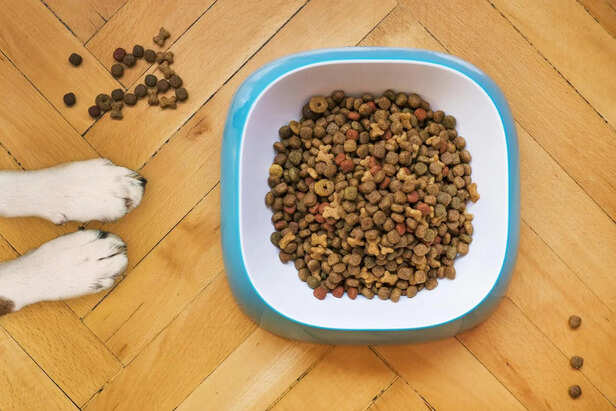
Healthy Pet Eating Functional Diet
Image credit : Pexels
Pet nutrition has evolved far beyond simply filling a bowl with kibble. Today, pet owners are increasingly focusing on functional foods ingredients that not only provide basic nutrition but also deliver additional health benefits. These foods play a vital role in improving immunity, digestion, joint health, and overall well-being. Understanding functional foods can help you make smarter dietary choices for your furry companion. The importance of functional nutrition becomes even more evident when considering the health challenges many pets face today. Issues such as obesity, allergies, digestive problems, and age-related conditions are increasingly common. Functional foods provide a preventive approach by addressing these concerns through diet.
They help strengthen the immune system, improve nutrient absorption, reduce inflammation, and support overall vitality. By incorporating such foods into daily meals, pet owners can reduce the risk of chronic illnesses and enhance their pet’s quality of life in a natural and sustainable way.
What Are Functional Foods for Pets?

Probiotics for Pet Gut Health
Image credit : Pexels
Functional foods are ingredients that offer specific health benefits beyond essential nutrients like proteins, fats, and carbohydrates. These foods actively support bodily functions such as digestion, brain health, and immune response. Unlike traditional pet diets, functional foods are often enriched with bioactive compounds, antioxidants, probiotics, and healthy fats that promote long-term health.
Why Functional Nutrition Matters ?
- Strengthening the immune system
- Supporting gut health
- Reducing inflammation
- Enhancing skin and coat quality
- Improving energy levels and longevity
Key Functional Ingredients and Their Benefits

Senior Pet Nutrition Support
Image credit : Pexels
Probiotics and Prebiotics
Probiotics and prebiotics are essential for maintaining a healthy digestive system in pets. Probiotics are beneficial bacteria that support gut health, while prebiotics serve as food for these bacteria, helping them thrive. Together, they improve digestion, enhance nutrient absorption, and strengthen the immune system. Regular inclusion of these ingredients can help prevent common digestive issues such as bloating, diarrhea, and constipation.
Omega-3 Fatty Acids
Omega-3 fatty acids, commonly found in fish oil and flaxseed, are known for their powerful anti-inflammatory properties. These healthy fats support heart health, improve skin condition, and promote a shiny coat. Additionally, omega-3s play a role in brain development and cognitive function, making them especially beneficial for both young and aging pets.
Turmeric and Herbal Additives
Natural herbs like turmeric have gained popularity for their medicinal properties. Turmeric contains curcumin, a compound known for its anti-inflammatory and antioxidant effects. It can help manage joint pain, support immune function, and reduce the risk of chronic diseases. Other herbs, such as chamomile, may also help calm anxious pets and promote relaxation.
Pumpkin and Fiber-Rich Foods
Pumpkin is a highly beneficial ingredient due to its rich fiber content. It aids in digestion by regulating bowel movements and supporting gut health. Fiber-rich foods also help maintain a healthy weight by promoting a feeling of fullness and preventing overeating.
Glucosamine and Chondroitin
Glucosamine and chondroitin are commonly used to support joint health, particularly in older pets or large breeds prone to arthritis. These compounds help maintain cartilage, reduce joint pain, and improve mobility, allowing pets to stay active and comfortable as they age.
Antioxidant-Rich Fruits
Fruits like blueberries and cranberries are packed with antioxidants that help protect the body from oxidative stress caused by free radicals. These nutrients support brain health, improve immunity, and may even slow down the aging process in pets.
Functional Foods vs Regular Pet Food
The main difference between functional foods and regular pet food lies in their purpose. While regular pet food is designed to meet basic nutritional requirements, functional foods are formulated to provide additional health benefits. They contain specialized ingredients that target specific health concerns, such as joint support, digestive health, or immune function. This makes them a more holistic option for maintaining long-term wellness in pets.
How to Incorporate Functional Foods Safely ?
Introducing functional foods into a pet’s diet should be done gradually to avoid digestive upset. It is important to maintain a balanced diet and ensure that these additions do not disrupt overall nutrition. Consulting a veterinarian before making significant dietary changes is highly recommended, especially for pets with existing health conditions. Moderation is key, as excessive intake of certain nutrients can be harmful rather than beneficial.
Are Functional Foods Suitable for All Pets?
Functional foods can benefit most pets, but their effectiveness depends on individual factors such as age, breed, activity level, and health status. For example, senior pets may benefit more from joint-supporting nutrients, while younger pets may require foods that boost immunity and support growth. Tailoring the diet to meet these specific needs ensures optimal health outcomes.
Celebrate the bond with your pets, explore Health & Nutrition, discover Breeds, master Training Tips, Behavior Decoder, and set out on exciting Travel Tails with Times Pets!
Frequently asked questions (FAQs)
- What are functional foods for pets?
Functional foods are ingredients that provide additional health benefits beyond basic nutrition, such as improving digestion or immunity. - Can I give functional foods daily to my pet?
Yes, but in moderation and as part of a balanced diet. Always consult a vet for proper guidance. - Are functional foods better than regular pet food?
They are not replacements but enhancements. Functional foods complement a balanced diet for better health outcomes.