
Everyday Human Foods That Slowly Poison Dogs and Cats
Anushka Tripathi | Feb 06, 2026, 18:00 IST

beautiful dog
Image credit : Freepik
Many pet parents share food with love, not knowing that everyday human foods can slowly harm their pets. This article explains how common items like salty snacks, sweets, dairy, spices, and leftovers quietly damage a pet’s liver, kidneys, digestion, and immunity over time. It highlights warning signs owners often miss, explains why pets process food differently, and guides families toward safer feeding habits. The focus is emotional yet practical, helping pet parents protect long-term health, not just momentary happiness.
You love your pet like family. You share your home, your time, your emotions, and often your food. That small bite from your plate feels harmless, even loving. Your pet looks at you with those trusting eyes, and you think, what harm can one bite do? The truth is uncomfortable but important. Many foods that are safe for humans slowly damage a pet’s body over time. Not instantly, not dramatically, but quietly and painfully. This is not about panic. This is about awareness, because most pet parents hurt their pets unknowingly, out of love.
Why Human Food Affects Pets Differently
Salt And Salty Snacks
Chips, namkeen, fries, popcorn, and packaged snacks are extremely dangerous for pets. Salt causes dehydration and puts pressure on the kidneys. Over time, high salt intake can lead to kidney failure, especially in older pets. Dogs may drink excessive water, vomit or become lethargic. Cats are even more sensitive. What feels like a small piece to you can be a heavy salt load for them. Regular sharing of salty food slowly weakens their organs.
Sugar And Sweet Treats
Biscuits, sweets, cakes, ice cream, and sugary tea are not harmless indulgences. Sugar leads to obesity, diabetes, and dental disease in pets. Dogs that regularly consume sugar are at a higher risk of insulin imbalance. Cats are not designed to process sugar at all. Many cats develop silent diabetes that goes unnoticed until it becomes serious. Sugar also feeds harmful gut bacteria, affecting digestion and immunity.
Chocolate And Cocoa Products
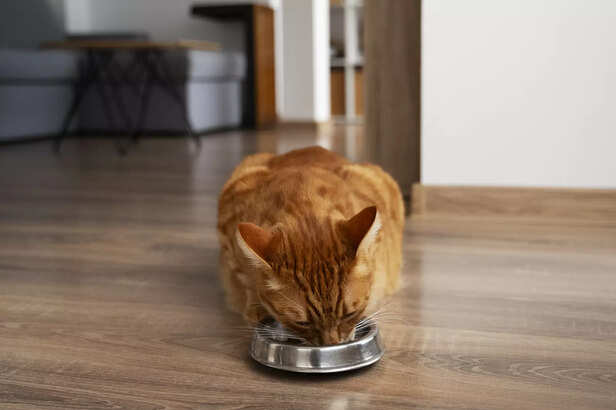
cat
Image credit : Freepik
Most pet parents know chocolate is bad, but many underestimate how dangerous it is. Chocolate contains theobromine, which pets cannot break down properly. Dark chocolate and cocoa powder are especially toxic. Even small amounts can cause restlessness, vomiting, heart problems, seizures, and in severe cases, death. Repeated exposure to tiny amounts over time stresses the heart and nervous system. Chocolate toxicity is one of the most common emergency cases seen by vets.
Onions, Garlic And Masala
Indian cooking often includes onions, garlic, and spices. These ingredients are highly toxic to pets. Onions and garlic damage red blood cells, leading to anemia. This damage builds up slowly. You may notice weakness, pale gums, or reduced appetite after weeks or months. Cooked, raw,w or powdered, all forms are harmful. Spices and masalas irritate the stomach lining and can cause long-term digestive issues. Pets fed leftover curry regularly often suffer from chronic gastritis.
Milk And Dairy
Many people believe milk is good for pets, especially cats. In reality, most adult pets are lactose intolerant. Milk causes diarrhea, bloating, and stomach pain. Cheese, paneer, and cream are high in fat and salt. Regular dairy intake can lead to pancreatitis, a painful and sometimes life-threatening condition. What looks like a treat can turn into repeated stomach infections and inflammation.
Bones And Cooked Meat Scraps
Cooked bones splinter easily and can puncture the throat, stomach or intestines. Meat scraps cooked with oil, salt, and spices overload the digestive system. Fatty meat increases the risk of pancreatitis. Pets that regularly eat table scraps often develop vomiting, loose stools, and liver stress. Raw meat diets are a separate topic and should never be confused with leftover cooked food from human meals.
Bread, Roti And Baked Foods
Bread and roti fill the stomach but provide no nutrition for pets. They lead to weight gain and digestive imbalance. Yeast-based dough can expand in the stomach, causing severe bloating and pain. Regular feeding of bread products can also disrupt gut bacteria, leading to frequent stomach upsets.
Grapes, Raisins And Dry Fruits
Grapes and raisins are extremely toxic to dogs and should never be given, even once. They can cause sudden kidney failure. Dry fruits like almonds and walnuts are high in fat and difficult to digest. Over time, they strain the liver and pancreas. Many owners give dry fruits during festivals without knowing the danger.
Tea, Coffee And Caffeine
Tea and coffee contain caffeine, which overstimulates the nervous system of pets. Even licking leftover tea cups can be harmful. Caffeine causes restlessness, increased heart rate, tremors, and anxiety. Repeated exposure damages the heart and brain. Pets living in homes where tea is frequently shared often show signs of chronic stress.
Artificial Sweeteners And Packaged Foods
Xylitol, a common artificial sweetener found in sugar-free products, is extremely toxic to dogs. It causes a sudden release of insulin, leading to dangerously low blood sugar and liver failure. Packaged foods also contain preservatives, colorants, and flavor enhancers that slowly damage organs. Pets are not built to handle chemical additives.
Fried Food And Oily Leftovers

dog eating
Image credit : Freepik
Fried food is heavy, oily, and difficult for pets to digest. Regular consumption leads to obesity, liver stress,s and pancreatitis. Pets fed oily food often develop skin issues, a dull coat, and chronic itching. What seems like a tasty bite today can turn into years of health problems.
The Emotional Trap Of Sharing Food
Pets beg not because they are hungry, but because food equals connection. They associate your plate with love, attention, and bonding. Saying no feels cruel, but saying yes repeatedly is more harmful. Love should protect, not harm. True care sometimes means setting boundaries.
Signs Your Pet Is Being Affected
Slow poisoning does not show immediate signs. Watch out for frequent vomiting, loose stools, weight gain or sudden weight loss, dull coat, itching, bad breath, lethargy, increased thirst, or reduced appetite. These signs are often dismissed as normal or age-related, but are frequently food-related.
Why Damage Is Often Noticed Too Late
Pets cannot tell you they are in pain. They adapt and hide discomfort. By the time symptoms become obvious, organs like the liver and kidneys may already be compromised. Many chronic pet illnesses are linked to long-term diet mistakes rather than sudden events.
What Pets Should Eat Instead
A balanced pet diet is designed specifically for their nutritional needs. Good quality pet food, combined with vet-approved treats, provides all required nutrients. If you want to share human food, only do so after checking with a veterinarian and in very limited amounts. Plain boiled vegetables like pumpkin or carrots are safer options for dogs. Cats need animal protein and should never be fed vegetarian diets.
Breaking The Habit Without Guilt
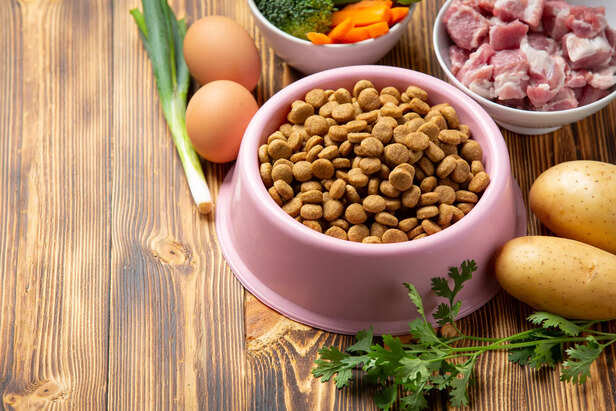
pet food
Image credit : Freepik
Pets adjust faster than humans. Once table food stops, begging reduces. Replace food sharing with other forms of bonding like play, walks, grooming, or verbal affection. These create stronger and healthier emotional connections.
Teaching Family Members And Children
Many pets are harmed by well-meaning family members. Children often share food innocently. Elders may believe traditional myths about milk and roti. Education within the household is essential. Everyone must understand that love is not measured by what is shared from the plate.
Festival Seasons And Special Occasions
Festivals increase risk due to sweets, dry fruits, and leftovers. This is when accidental poisoning cases spike. Planning ahead, keeping food out of reach, and informing guests can prevent emergencies. A single day of indulgence can undo months of careful feeding.
The Role Of Veterinarians
Regular vet visits help catch early signs of diet-related damage. Blood tests can reveal liver and kidney stress before symptoms appear. Do not hide food habits from your vet. Honest information helps them protect your pet better.
Choosing Long-Term Health Over Momentary Happiness
Your pet trusts you completely. Every bite you give them is accepted without question. That trust deserves responsibility. Short term happiness from food sharing is not worth long term pain, illness, or early loss. Pets depend on us to make choices they cannot make for themselves.
A Final Message For Pet Parents
Feeding is an act of love. But love must be informed. The most dangerous foods are not always the ones that kill instantly. They are the ones that quietly harm over time. By choosing the right food today, you are choosing more years, more energy, more play, and more memories with your pet. Sometimes the strongest love is shown not by sharing food, but by protecting their future.
Celebrate the bond with your pets, explore Health & Nutrition, discover Breeds, master Training Tips, Behavior Decoder, and set out on exciting Travel Tails with Times Pets!